
Last updated September 20, 2026
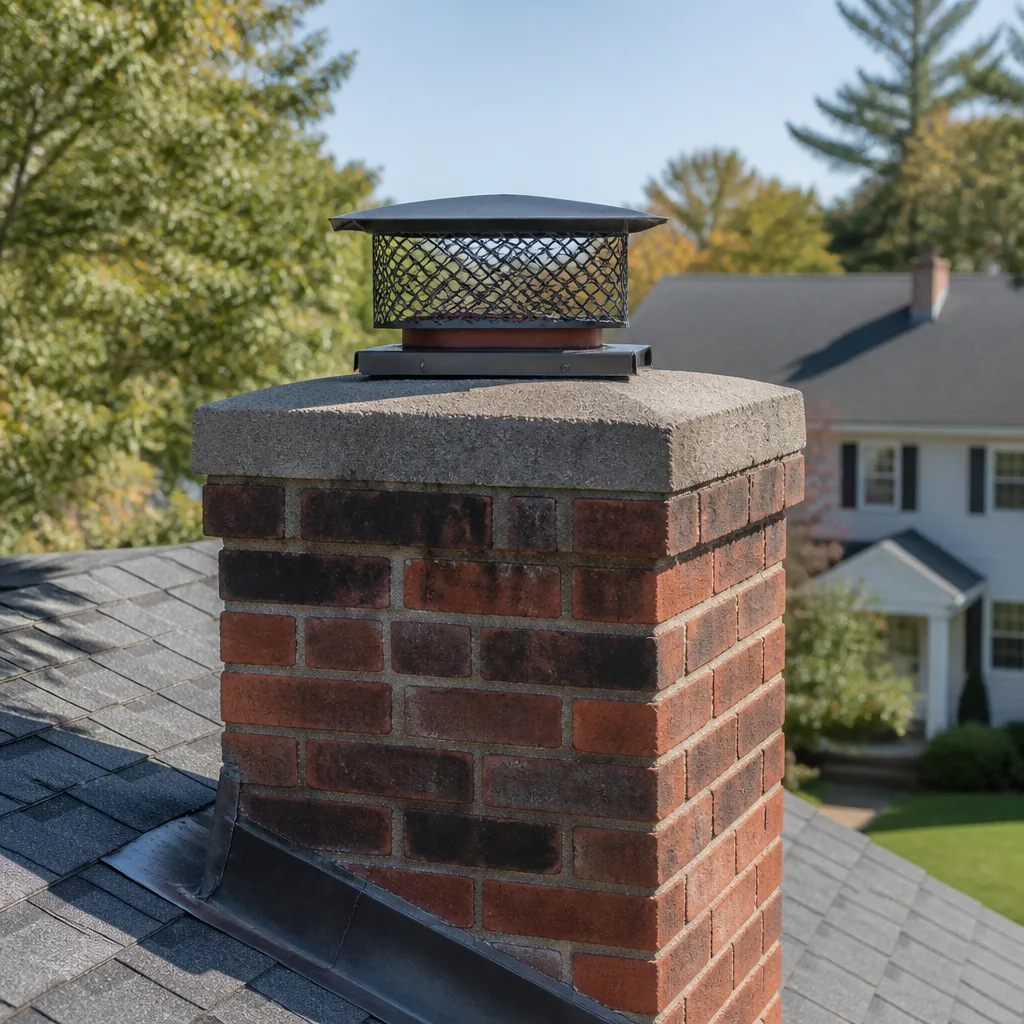
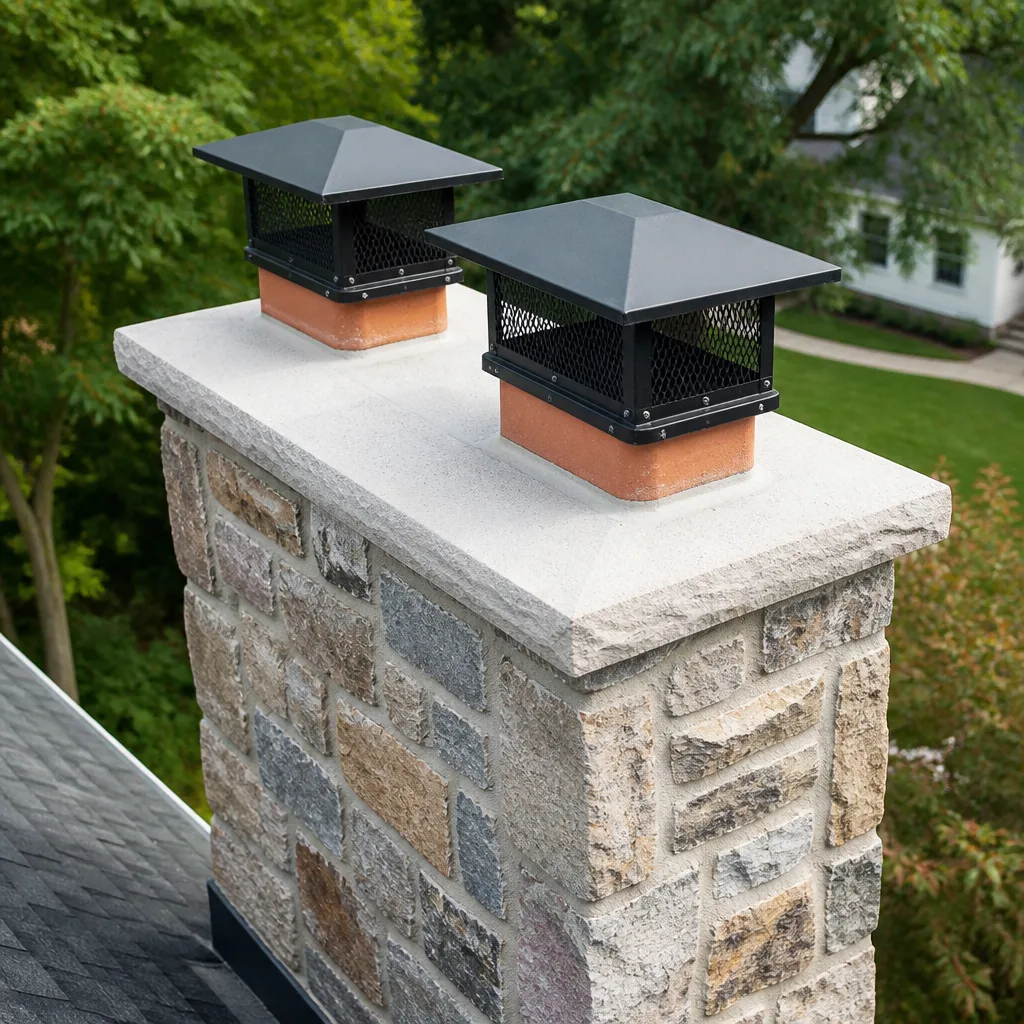
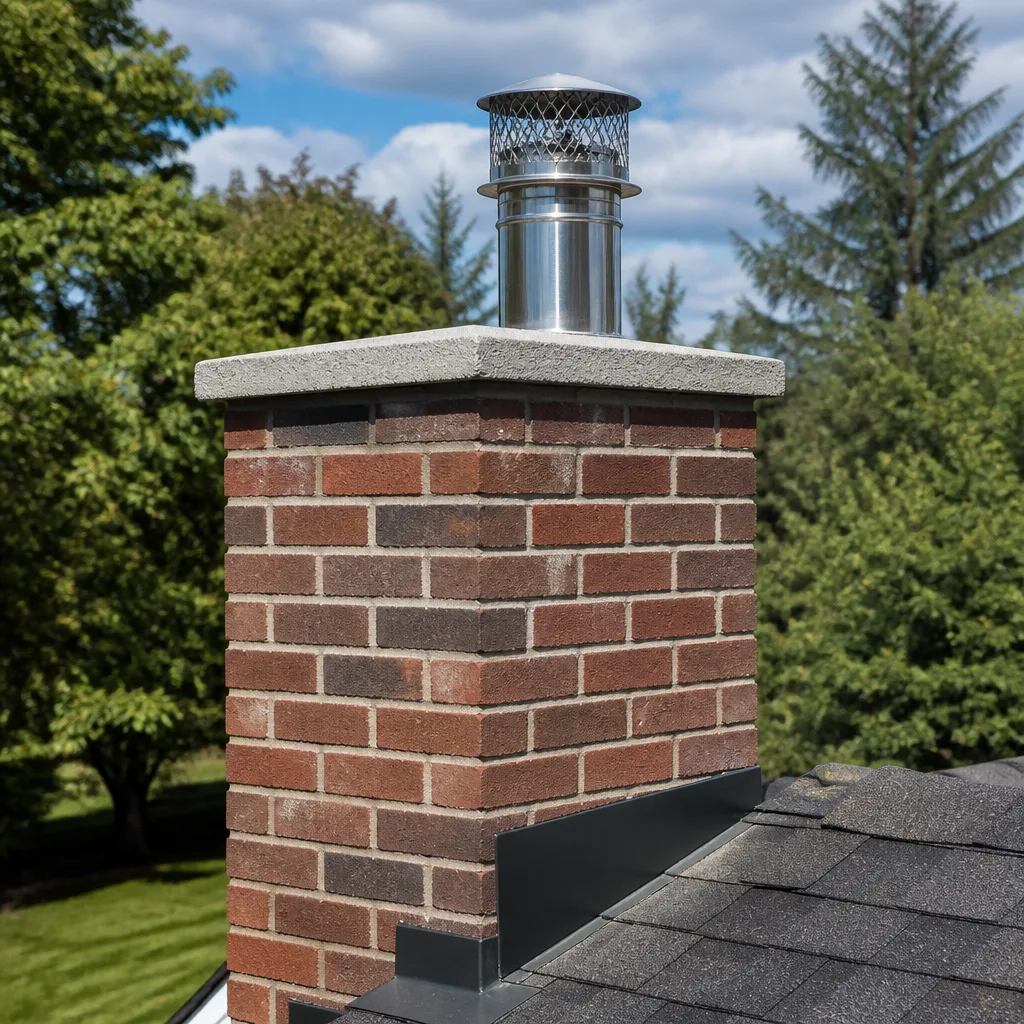
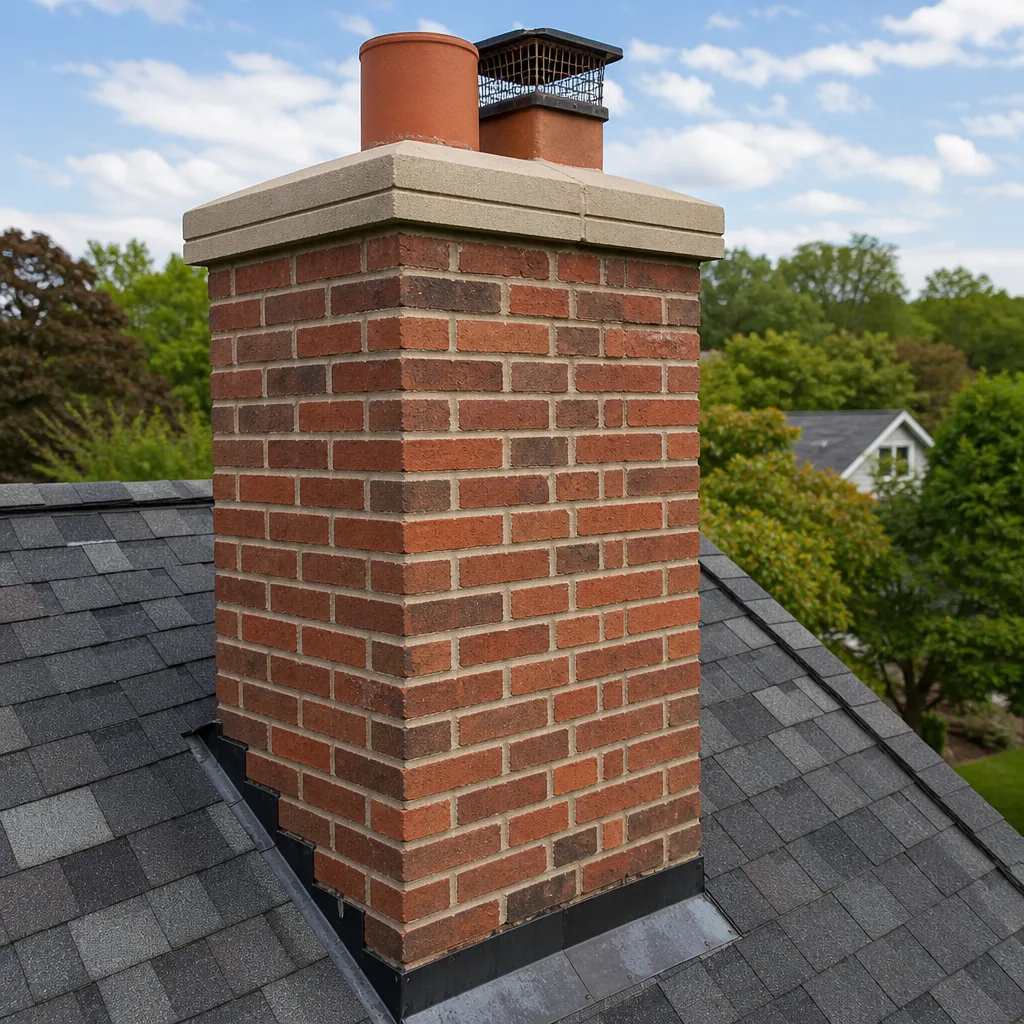
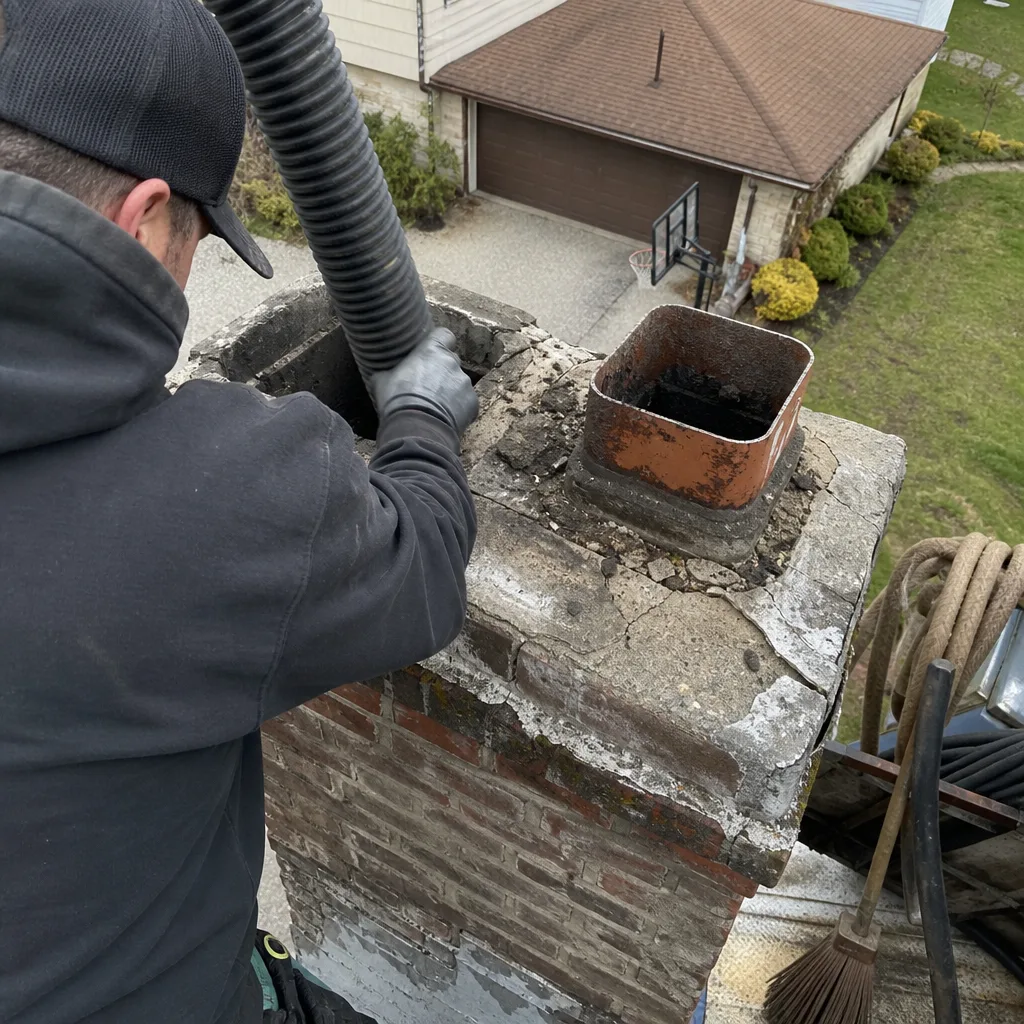
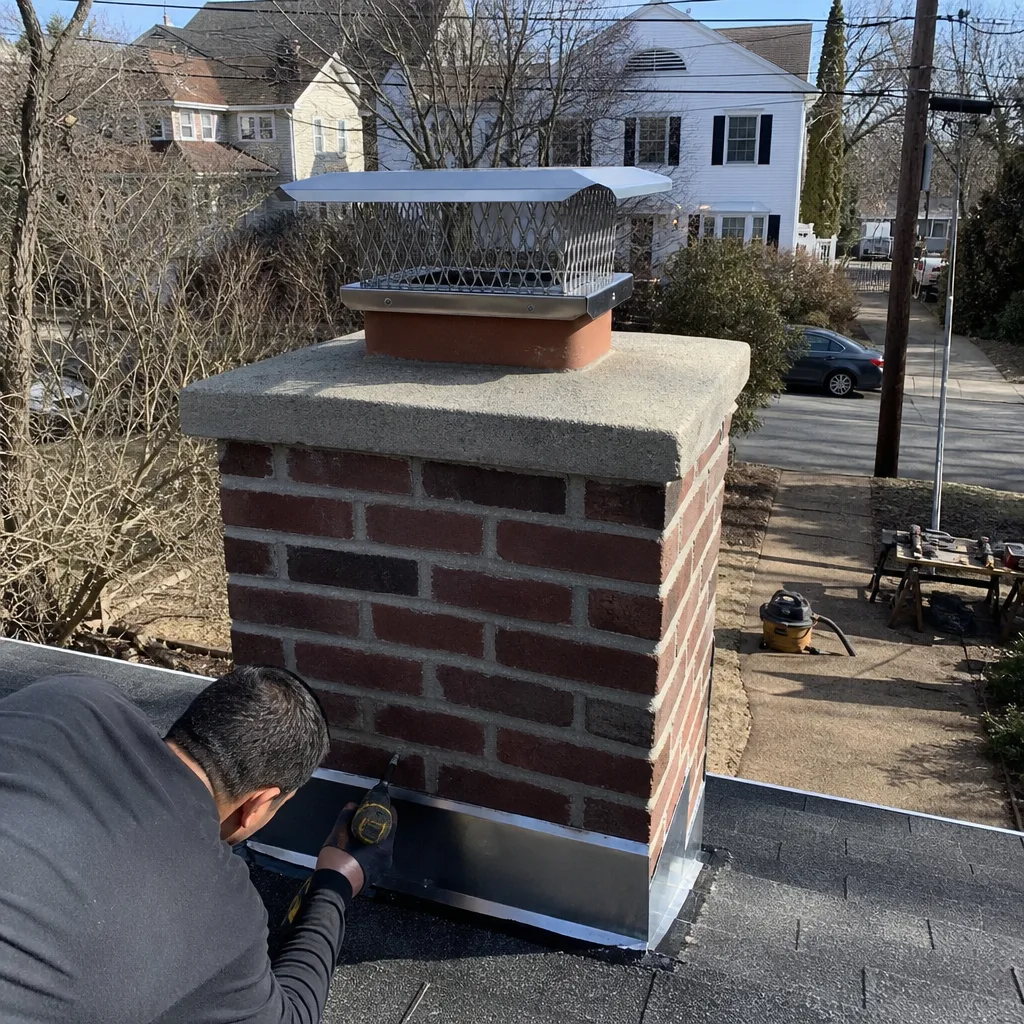
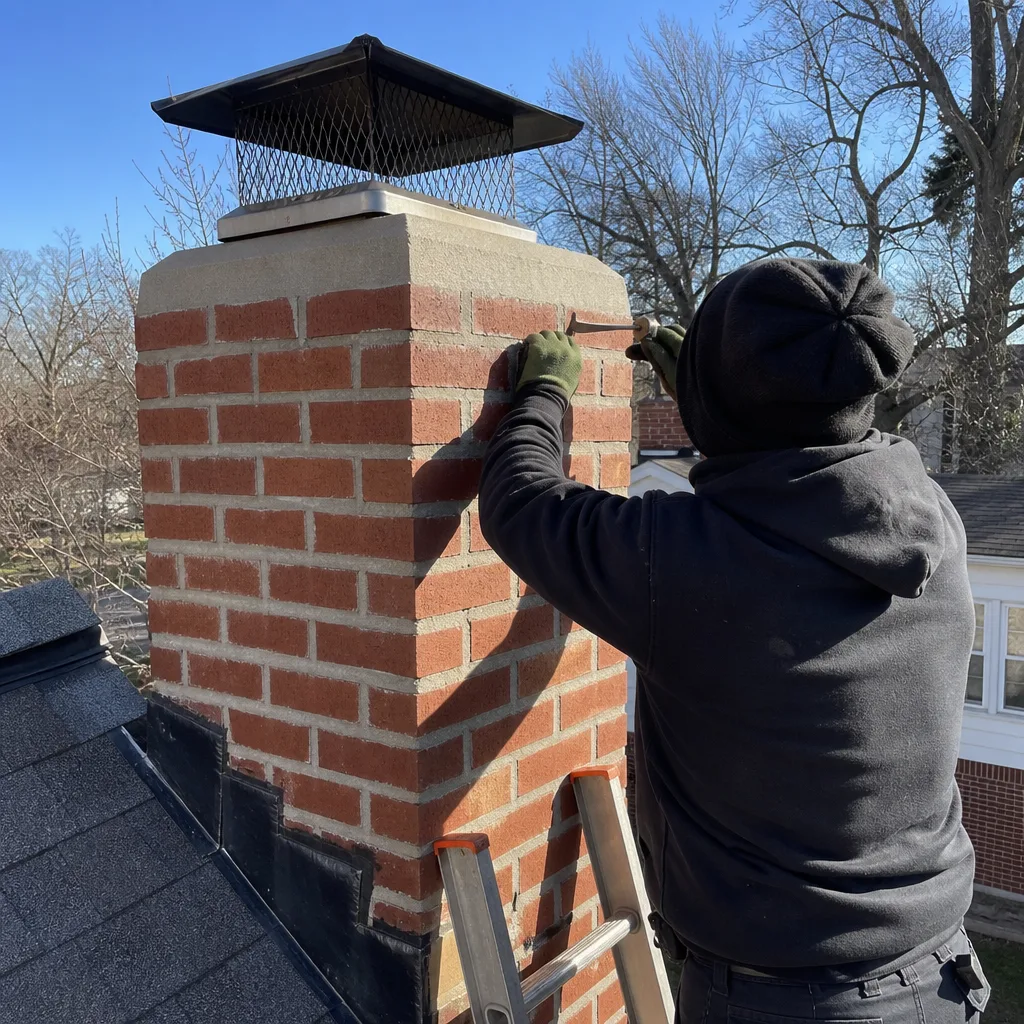
Level 1 sweep and inspection to the NFPA 211 annual standard - flue, crown, cap, and flashing checked and photographed
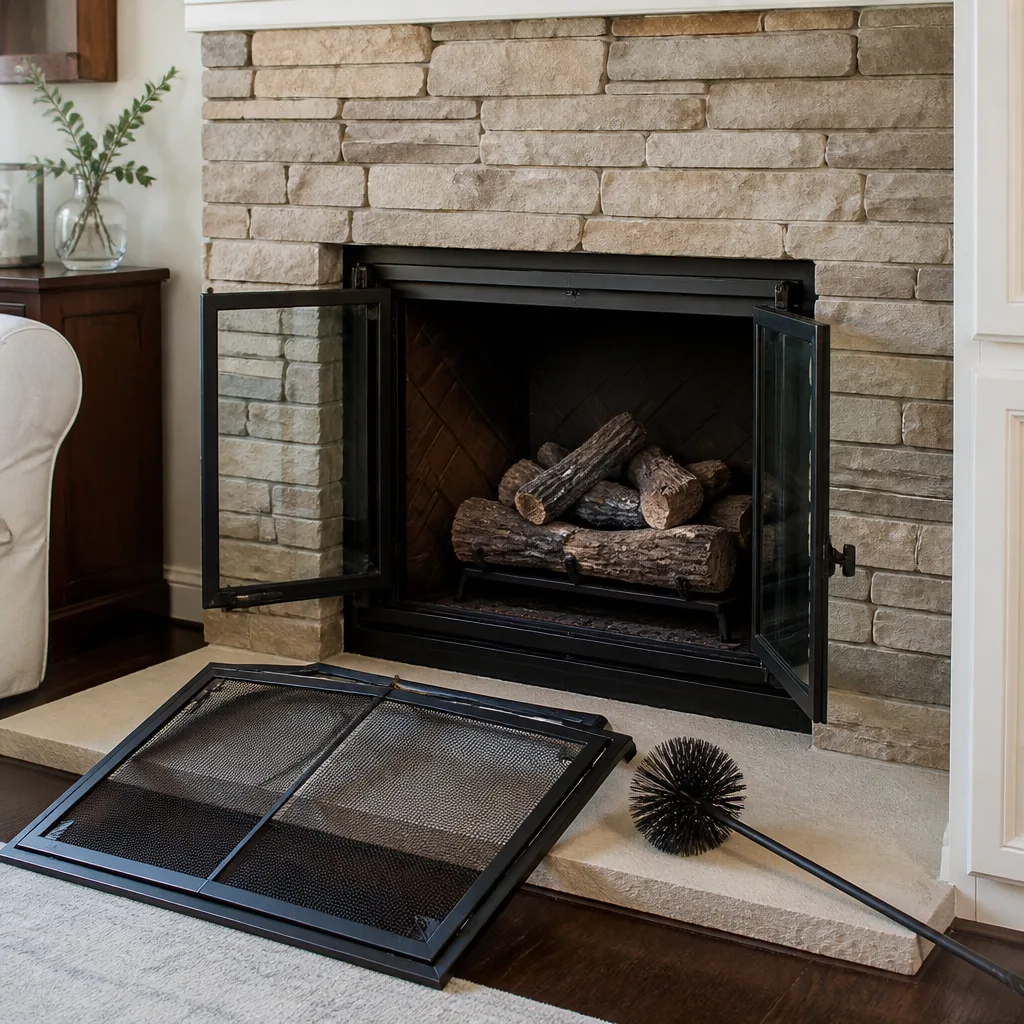
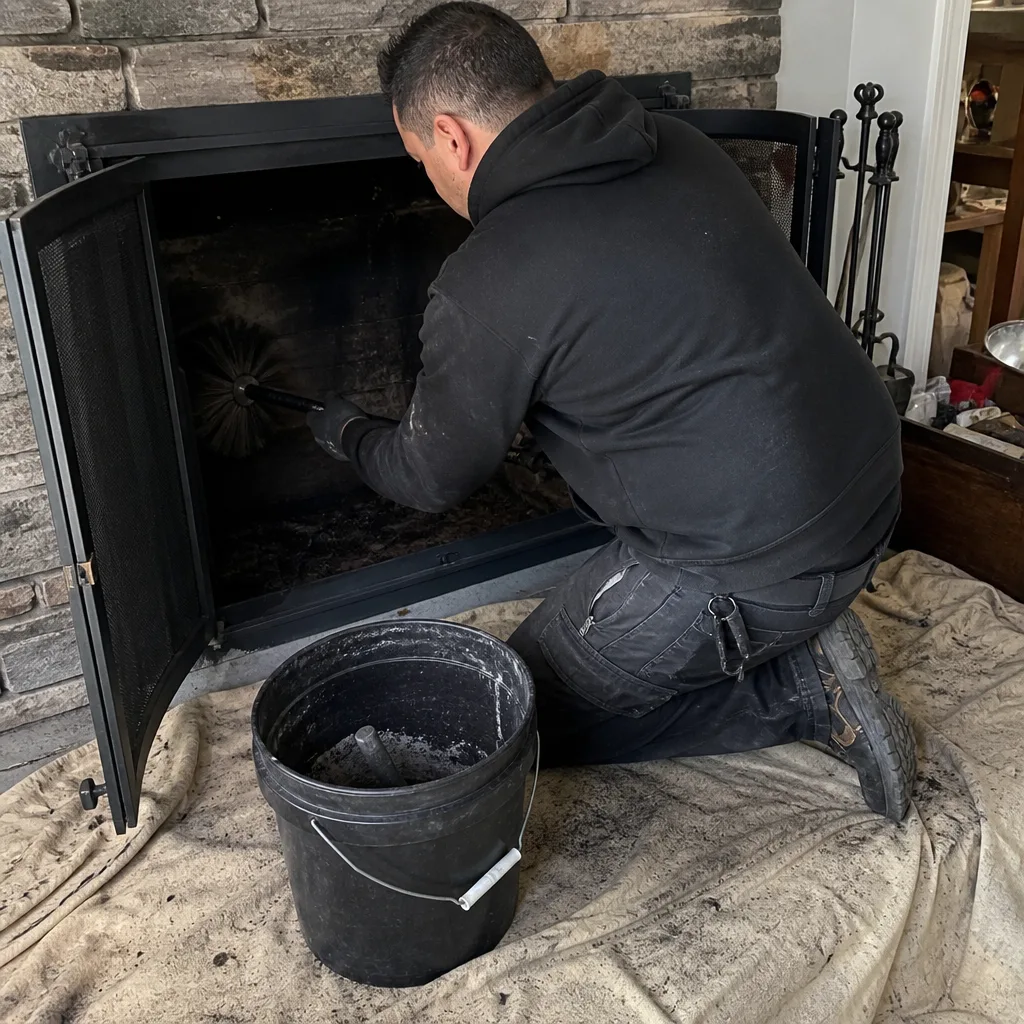
Chimney sweep logs do not sweep chimneys. They loosen some creosote - which then falls where a brush and vacuum still have to collect it.
 Before
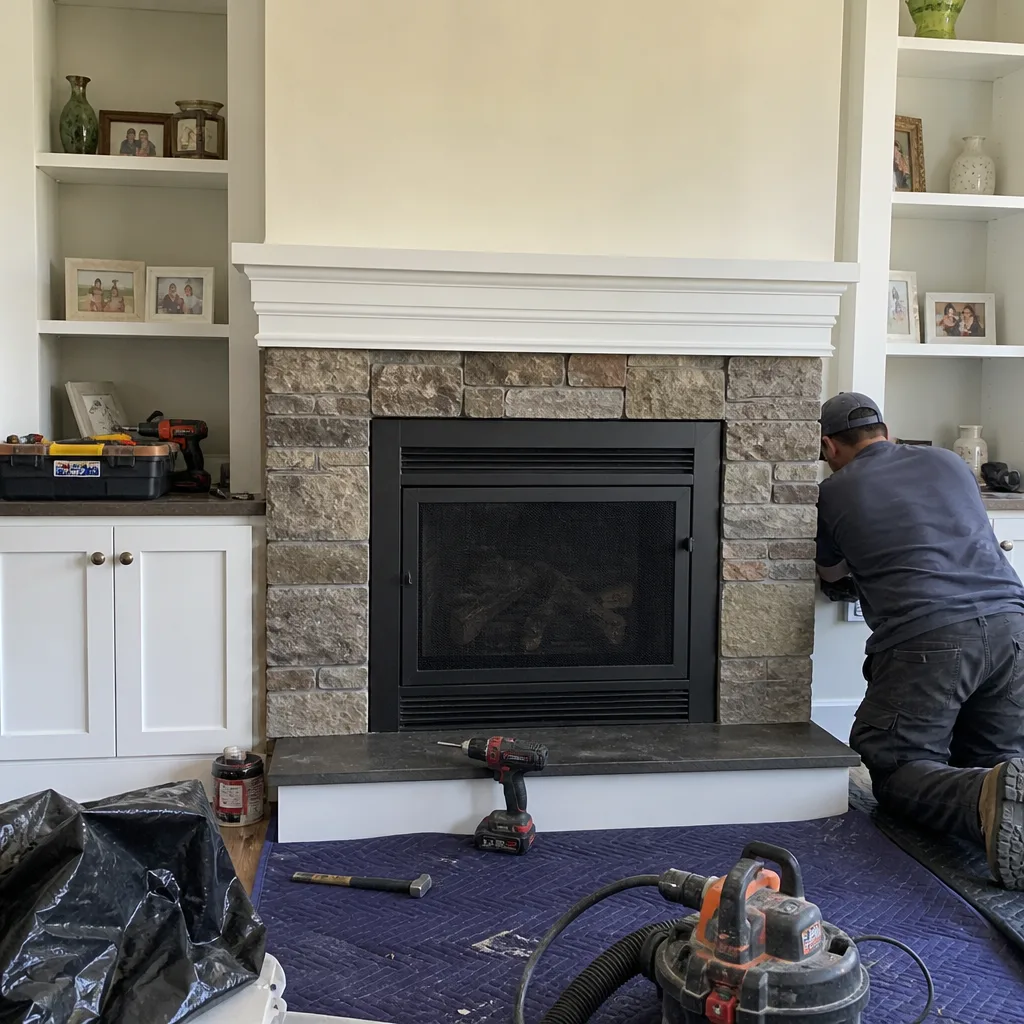 After
After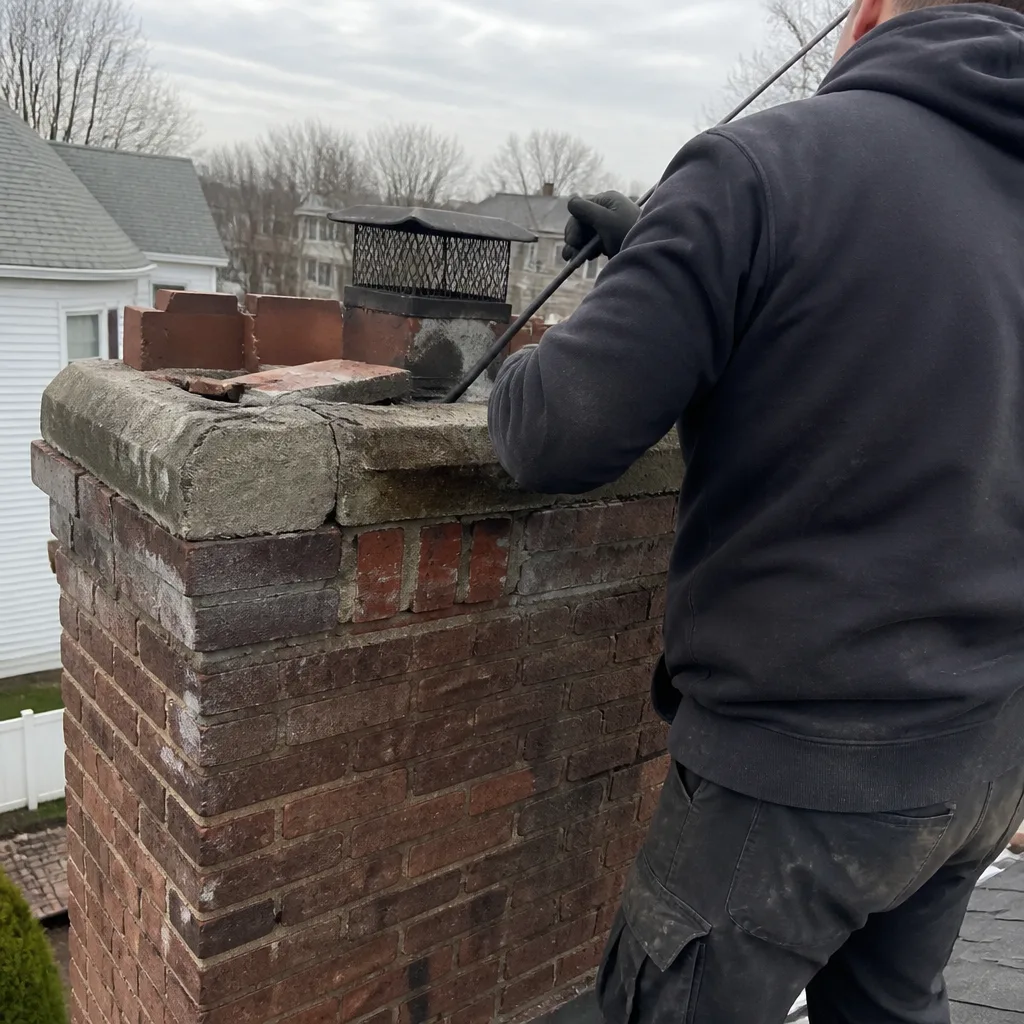 Before
 After
After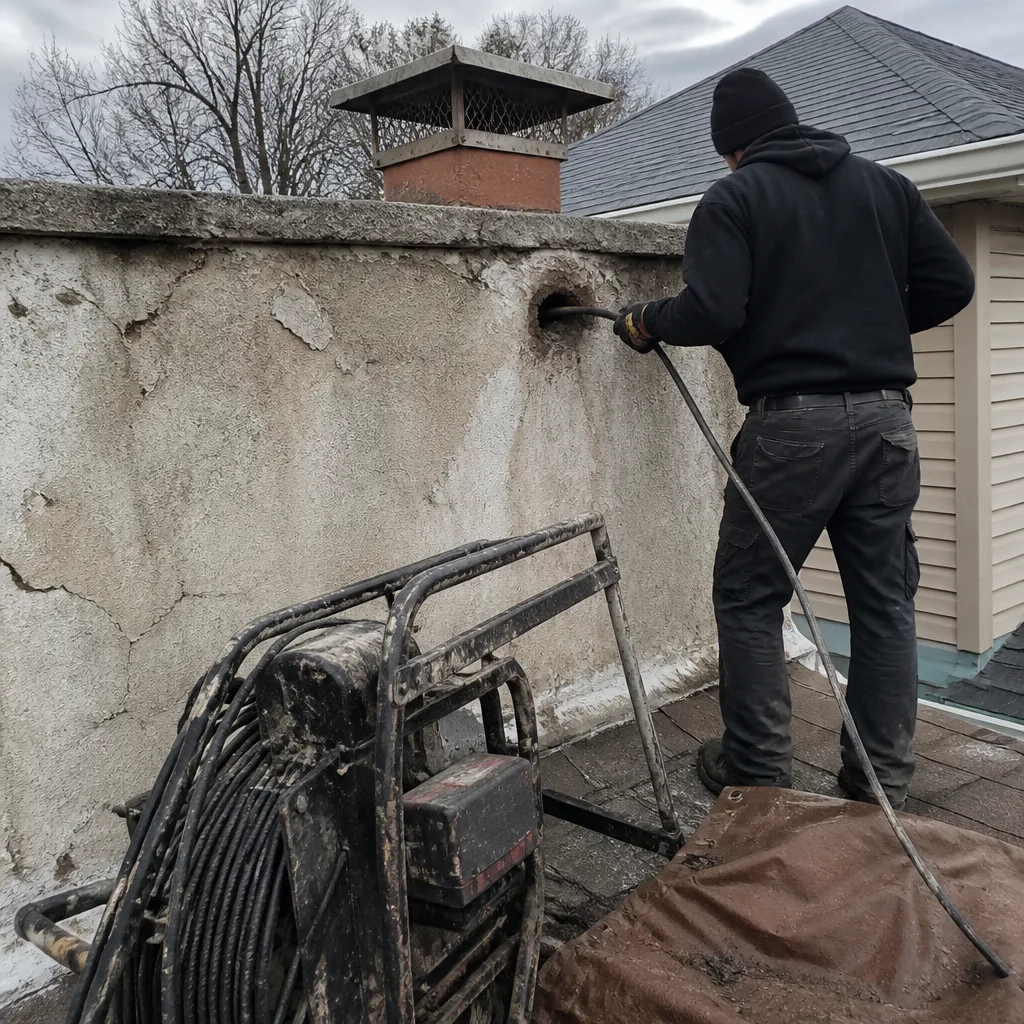 Before
 After
AfterChimney Cleaning Permits, Codes & Inspections in NJ: What You Need to Know
A Clifton homeowner listed her house in the spring of 2023 and nearly lost the sale at closing. The buyer’s attorney had pulled the city’s construction permits, and the unpermitted chimney liner installation from two years earlier came up. The sweep who did the work had never mentioned a permit was required. The seller had to either open a permit retroactively, which meant cutting into a finished wall for inspection, or knock $4,800 off the sale price. She took the price cut. What should have been a $200 annual cleaning had turned into a title problem because nobody told her where the line between “maintenance” and “alteration” actually sits in New Jersey. This guide draws that line clearly, from Clifton’s building department counters out to the state code, so you know exactly when to pull a permit and when you don’t. For more on keeping your chimney safe, see our Chimney Cleaning & Sweep Maintenance Checklist for Clifton Homeowners.
Quick Answer
Chimney cleaning itself does not require a permit anywhere in New Jersey, including Clifton. But the repairs that cleaning commonly exposes - flue liner replacement, firebox rebuilds, structural masonry work, and most chimney cap installations that modify the flue opening - often do require a construction permit under the New Jersey Uniform Construction Code (UCC). The trigger is when work crosses from sweeping and maintenance into what the code calls an “alteration.”
Table of Contents
- The Permit Line: Cleaning vs. Alteration in New Jersey
- How Clifton’s Building Department Handles Chimney Permits
- NFPA 211 and Why the Inspection Standard Matters
- The Insurance Angle: Unpermitted Work and Your HO-3 Policy
- Pulling Chimney Permits Before You Buy a Home in Clifton
- The Repairs That Most Often Trigger Permits in Clifton
- The DIY Permit Myth: Why Homeowners Get Stuck
- What Chimney Permits Cost in Clifton and Who Pays
BeforeAfterThe Permit Line: Cleaning vs. Alteration in New Jersey
The New Jersey Uniform Construction Code, adopted from the International Residential Code (IRC), draws a functional line between maintenance and alteration. Sweeping a chimney, removing creosote, vacuuming the smoke chamber, and brushing the flue are all classified as maintenance - learn the warning signs that it’s time in our Chimney Cleaning Warning Signs: A Clifton Homeowner’s Reference Guide. No permit. No inspection requirement. You can have this done every year for decades and the building department will never need to know.
The code shifts when you change the structure or the system’s function. Replacing a clay flue liner with a stainless steel liner is an alteration. Rebuilding a firebox is an alteration. Changing the flue size to accommodate a new appliance is an alteration. Installing a chimney cap that alters the flue termination is, in most Clifton interpretations, an alteration. Even repointing that goes beyond surface repair and into structural rebuilding crosses the line.
Here is the working rule we use at Level Two Chimney Clifton to tell homeowners whether their scope needs a permit:
- No permit required: chimney sweeping, creosote removal, camera inspection, minor crown sealing, cap replacement that fits the existing flue opening, damper repair, and surface repointing of a few brick joints.
- Permit required: flue liner installation or replacement, firebox rebuild, smoke chamber parging that involves structural repair, chimney rebuild above the roofline, flue resizing, and any work that alters the existing flue dimensions or changes the venting system’s performance characteristics.
- Gray zone requiring a phone call: heat shield installation, stainless steel cap on a new liner, crown rebuild, and fireplace insert installation where the venting path changes. In Clifton, the construction office wants to hear about these before work starts.
The practical test is simple: does the work change what the chimney does or how it does it? Cleaning removes what accumulated. Alteration changes the system itself. If you are not sure, the Clifton construction office at City Hall will give you a straight answer on the phone, and so will any reputable sweep who has actually pulled permits in the city.
How Clifton’s Building Department Handles Chimney Permits
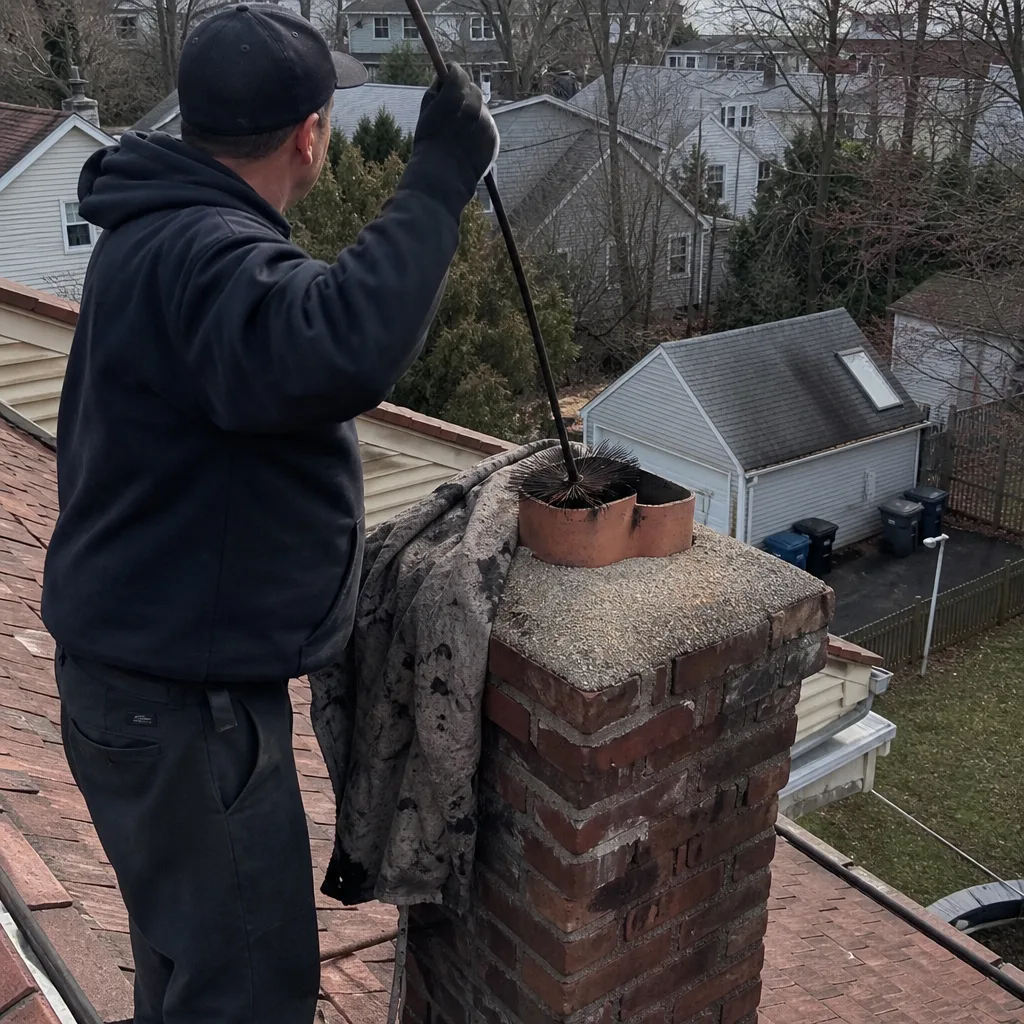
Clifton’s construction department processes chimney-related permits through its building subcode office. The city uses the state permit application form, and for most chimney work the permit type is a building permit under the UCC, not a fire subcode permit on its own, though the fire official may be copied on liner work involving existing fireplaces or wood stoves.
The typical timeline in Clifton for a chimney liner permit runs like this:
- The contractor or homeowner files the permit application with a description of work, the chimney’s location, and the liner specification if a liner is being installed. Clifton’s office usually reviews simple chimney permits within 5 to 10 business days.
- Once the permit is issued, work proceeds. The Clifton inspector will want to see the liner before it is concealed, which means timing matters if walls or chimney chase access panels need to come open.
- The rough inspection happens while the liner is visible. The inspector checks the connection at the appliance, the termination at the top, and the clearances at any combustible framing.
- After the rough inspection passes, the contractor closes up and a final inspection is scheduled. Clifton building inspectors generally get to final inspections within a week of the request.
- The permit is closed and recorded in the city’s system. That record is what a buyer’s attorney pulls during a title search, and what an insurance adjuster checks if there is ever a fire loss.
Fee structure is modest compared to the risk of skipping the permit entirely. Clifton’s building permit fees for chimney work are typically calculated on the construction value of the job, with most liner and cap permits landing between $75 and $250. It is not the cost of the permit that makes people skip it; it is the weeks of waiting and the fear of the inspector finding something else. That fear is worth getting over, because the alternative at closing is worse.
NFPA 211 and Why the Inspection Standard Matters
When a Clifton homeowner sells a house, or files a chimney-related insurance claim, the standard everyone references is NFPA 211, the National Fire Protection Association’s code for chimneys, fireplaces, vents, and solid fuel burning appliances. New Jersey insurers and real estate attorneys lean on it because it is the most specific, defensible inspection standard in the trade.
NFPA 211 defines three levels of chimney inspection:
- Level 1: a visual check of the readily accessible portions of the chimney and appliance. This is what happens during an annual or semi-annual cleaning when nothing has changed. No permit triggers here, and no report goes to a title company.
- Level 2: a camera scan of the entire flue interior, plus inspection of the accessible exterior, attic, and crawlspace portions of the chimney installation. NFPA 211 requires a Level 2 inspection on any sale or transfer of a property, after any chimney fire, after any earthquake or weather event that may have damaged the chimney, and before any appliance change. This is the standard we have performed as default on every visit since 2009 - camera down the flue, documented photo record, written condition report. It became Clause 4 of the Haven Standard years before insurers started asking for it.
- Level 3: the most invasive, involving partial demolition of concealed materials to access hidden sections of the chimney. Rarely needed in Clifton unless a Level 2 camera scan finds a suspected hidden failure.
What a Level 2 report provides that a Level 1 cannot is evidence. A camera scan shows spalling in the clay liner, a separated flue tile joint, Class III creosote glazing that survived a cleaning, or a crack in the smoke chamber. Those findings get documented with photos and written notes, and that documentation is what a real estate attorney, an insurance adjuster, or a Clifton building inspector will actually accept. If the seller in our opening story had a Level 2 report from the prior owner showing the old liner condition, she would have known exactly why the work was done and could have shown it was necessary. Instead, she had a receipt and a story, and the lawyer had questions.
For anyone reading this as a buyer, insist on a Level 2 inspection before closing, in writing, with photos. For sellers, get one done before listing. The Chimney Cleaning & Sweep in Clifton work we do always includes the camera scan because Clause 4 of the Haven Standard requires it, and because the report is what carries the day when something goes wrong later.
The Insurance Angle: Unpermitted Work and Your HO-3 Policy
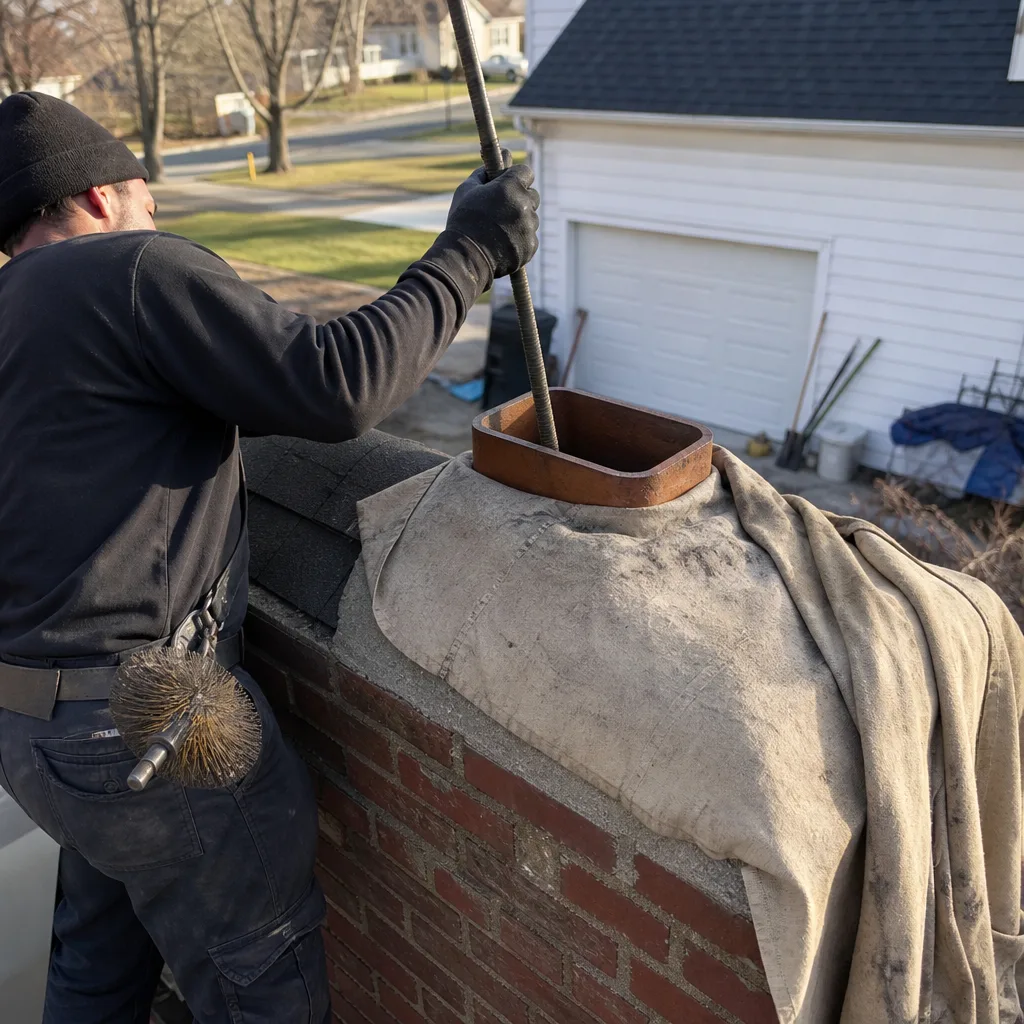
A standard HO-3 homeowners policy in New Jersey covers fire loss, but it also contains a code compliance exclusion and a concealment clause. Both can bite when a chimney fire traces back to unpermitted work.
Say you have a liner installed without a permit in Clifton. Two winters later, a chimney fire starts and spreads to the roof. The fire investigator’s report identifies the liner installation as the point of failure. The adjuster then asks whether a permit was pulled and whether the work was inspected. If the answer is no, the carrier can argue that the work was never verified against the code in effect at the time, and that the loss would not have occurred if it had been. Under the code compliance exclusion, the carrier may deny the portion of the claim tied to bringing the damaged work up to current code, and in some cases denies the entire structure portion of the claim if the concealment clause is triggered, meaning the homeowner had the work done and did not disclose it when the policy was written or renewed.
This is not hypothetical. We have talked to Clifton homeowners who had claims reduced or denied because the liner work done years earlier was not permitted. The $150 permit fee, and the two weeks of waiting, look small next to a $40,000 fire claim that gets denied on a technicality.
What protects you is a paper trail: the permit, the inspection sign-offs, the written scope from the contractor, and the photo documentation of the work. That is why our Chimney Repair in Clifton work always includes a documented photo record and a written warranty before and after - and why we tell every homeowner in Clifton when their repair scope crosses into permit territory. Not because we love paperwork, but because we have seen what happens when the paperwork does not exist.
Pulling Chimney Permits Before You Buy a Home in Clifton
If you are buying a house in Clifton, here is the step-by-step for checking chimney permit history before you sign anything:
- Go to the Clifton construction office, either in person at City Hall or through the city’s online permit portal. Request an open permit search for the property address. Clifton’s office will run the address through its system and give you a list of all building, electrical, plumbing, and fire permits issued, open, or closed.
- Look specifically for chimney-related entries: “flue liner,” “chimney liner,” “fireplace,” “wood stove,” “chimney cap,” “flue.” If the seller’s disclosure says a liner was replaced in 2019 and no permit appears, that is a problem to resolve before closing.
- Ask the seller’s attorney for the contractor’s name, the date of the work, and any invoice or receipt. A written quote from a chimney company is not a permit. A canceled check is not a permit. Only a closed permit with a final inspection sign-off counts.
- If work was done without a permit, you have three options: ask the seller to open a retroactive permit and have the work inspected; negotiate a credit to cover the cost and hassle; or walk away. In Clifton, retroactive permits for liner work are possible but require exposing the liner for inspection, which means cutting an access panel or opening part of the chimney chase.
- Once you own the home, get a Level 2 camera inspection done whether or not any prior work shows up. A clean permit history tells you nothing about the current condition of the flue. The camera does.
Most Clifton buyers skip this step because it feels like something the attorney will handle. The attorney checks for open permits and liens. Chimney-specific permit history is your job unless you specifically ask. Do it.
The Repairs That Most Often Trigger Permits in Clifton
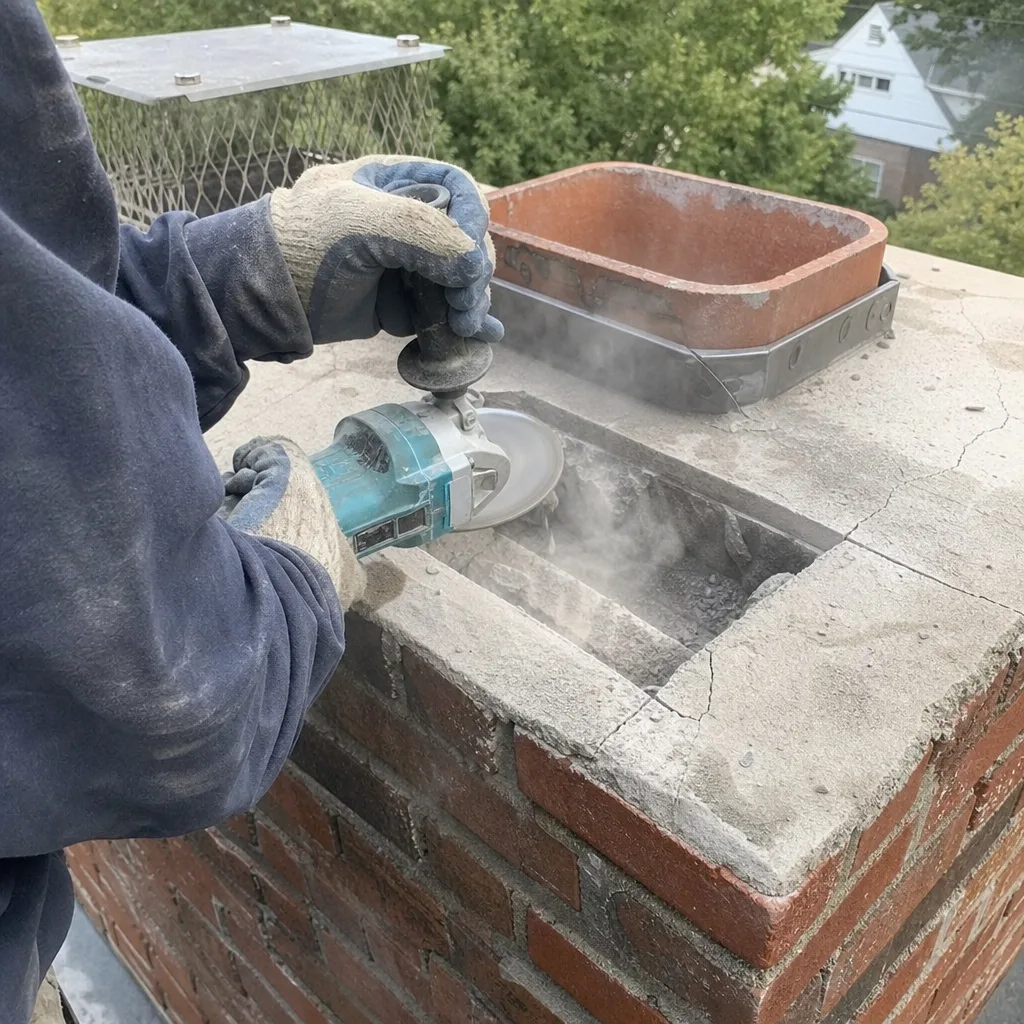
In our experience across Clifton’s housing stock, which runs from 1920s bungalows in Dutch Hill to mid-century ranches and 1980s colonials in the Valley, the same five repairs keep coming up as permit issues:
- Stainless steel liner installation. The most common trigger in Clifton. Old clay liners spall and crack, and when a camera shows the damage, the fix is a stainless liner from manufacturers like Olympia Chimney or DuraFlex, or a HeatShield cerfractory resurfacing. A liner change alters the flue dimensions and the system’s performance, which means a permit. Every time.
- Firebox rebuild. Cracked firebrick and loose mortar inside the fireplace are usually visible during a sweep. Rebuilding the firebox is an alteration because you are reconstructing the combustion chamber. Permit needed.
- Chimney rebuild above the roofline. Northeast winters take a toll on the section of chimney that sticks through the roof. If more than a few bricks need resetting, the structural work crosses into permit territory, though simple repointing typically does not.
- Smoke chamber parging. The smoke chamber is the inverted funnel above the firebox. When the parge coat fails, a chimney sweep will usually recommend resurfacing it. Depending on the method, which can include products from Famco or Gelco, the scope may be considered an alteration requiring a permit.
- Chimney cap that modifies the flue. A simple replacement cap that fits the existing flue tile is maintenance. A new cap on a new liner, where the flue diameter changes, is part of an alteration and rides on the liner permit.
None of this should scare a Clifton homeowner away from necessary repairs. It should just tell you which projects need a call to the city before work starts. A reputable sweep will know the line and tell you. A sweep who says “you don’t need a permit for this” when the scope includes a liner replacement is not doing you a favor.
The DIY Permit Myth: Why Homeowners Get Stuck
New Jersey allows a homeowner to pull a permit and perform work on their own residence under the UCC’s homeowner exemption. The catch, and in Clifton it is enforced, is that the homeowner must actually perform the work themselves and must pass the same inspections. What happens in practice is different: a homeowner hires a cash contractor, the contractor does the work, and the permit is still in the homeowner’s name or was never pulled at all.
Here is where it falls apart. The UCC says a homeowner pulling their own permit is responsible for the work meeting code. If a contractor performs the work under a homeowner’s permit and the inspection fails, the contractor is gone and the homeowner owns the correction. If the work was never permitted and something fails, the homeowner owns that too, and the contractor’s phone number has changed. We have seen this pattern in Clifton more times than we can count: a liner installed under a homeowner permit, a failed inspection, a contractor who stopped returning calls, and a seller at closing with a problem.
The contractor pulling the permit under their own license changes the accountability. It means the Clifton inspector’s corrections go back to the contractor, not to you. It means the contractor’s insurance is on the hook if the work fails. And it means the permit record shows a licensed professional performed the work, which is what a buyer’s attorney and an insurance adjuster want to see.
If you are doing true DIY work on your own Clifton chimney, good. Pull the permit, pass the inspections, keep the paperwork. If you are hiring someone, make them pull the permit. It is the single cheapest piece of accountability you will ever buy.
What Chimney Permits Cost in Clifton and Who Pays
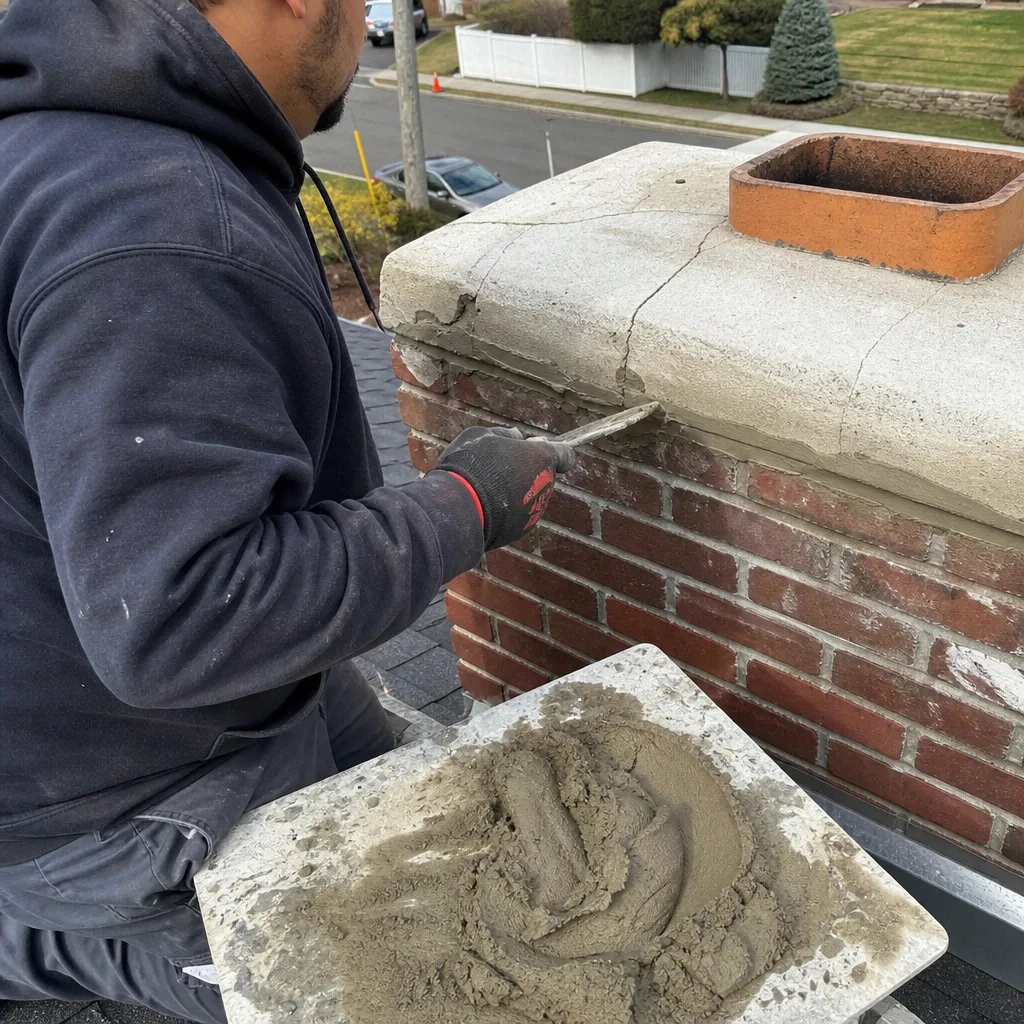
Clifton’s building permit fees for chimney work are not the line item that surprises anyone. They are modest. Here is what the fee structure roughly looks like based on the construction value of the work:
- Chimney sweeping and cleaning: no permit, no fee anywhere in New Jersey.
- Standard chimney cap replacement: typically no permit in Clifton if the cap fits the existing flue opening.
- Stainless steel liner installation: building permit, typically $75 to $200 in Clifton depending on the declared job value.
- Firebox rebuild: building permit, typically $100 to $250.
- Chimney rebuild above the roofline: building permit, typically $150 to $350, sometimes with a structural subcode review.
Who pays? The permit fee is the property owner’s cost in Clifton, whether the contractor advances it or the homeowner files directly. That said, when you are comparing written quotes, ask whether the permit fee is included in the scope or listed as a separate line item. Our Fireplace Services in Clifton quotes always show the permit as its own line. It is a small number, but you want to see it, because a contractor who does not mention permits at all is a contractor who does not plan on pulling one.
The real cost of a permit is time. Plan for one to two weeks between filing and permit issuance for simple chimney work in Clifton, and another week for the final inspection after the work is done. For a liner, the rough inspection happens mid-job, so budget that into your schedule. None of this should delay an annual cleaning, which needs no permit and can be booked any time. For everything else you need to know, see The Complete Guide to Chimney Cleaning in Clifton.
Common Mistakes to Avoid
- Assuming the chimney sweep will pull the permit. Not all do. Ask, in writing, whether the scope includes a permit, what the permit number is, and when the inspections will be scheduled. If the answer is vague, the permit is not happening.
- Treating a chimney cleaning receipt as proof of code compliance. A receipt shows the flue was brushed. It says nothing about a liner, a firebox, or a cap installed five years ago. A buyer’s attorney will ask for the permit, not the receipt.
- Skipping the Level 2 camera inspection when buying a Clifton home. The attorney checks title and liens. The home inspector glances at the chimney. Neither of them puts a camera down the flue. That is the one inspection that catches the $4,000 problem before you own it.
- Letting a cash contractor talk you out of a permit. The conversation usually goes “it’ll cost less if we don’t involve the city.” It will cost less today and potentially tens of thousands at a fire claim or closing. Pull the permit.
- Buying a house with an unpermitted liner and closing anyway. If you know about it and close, you own it. If the chimney fires and the claim is denied, “the seller told me it was fine” does not impress an adjuster.
- Waiting until the week before closing to check chimney permits in Clifton. Clifton’s construction office is responsive but not instant. Start the permit pull at the same time as the attorney review. Two weeks of cushion is not optional.
- Assuming a new liner is the same as a repaired liner. Sealing a few cracks with HeatShield is resurfacing and may not trigger a permit. Replacing the clay liner with stainless steel is a different scope and does. The camera report tells you which one you actually need.
When to Call a Professional
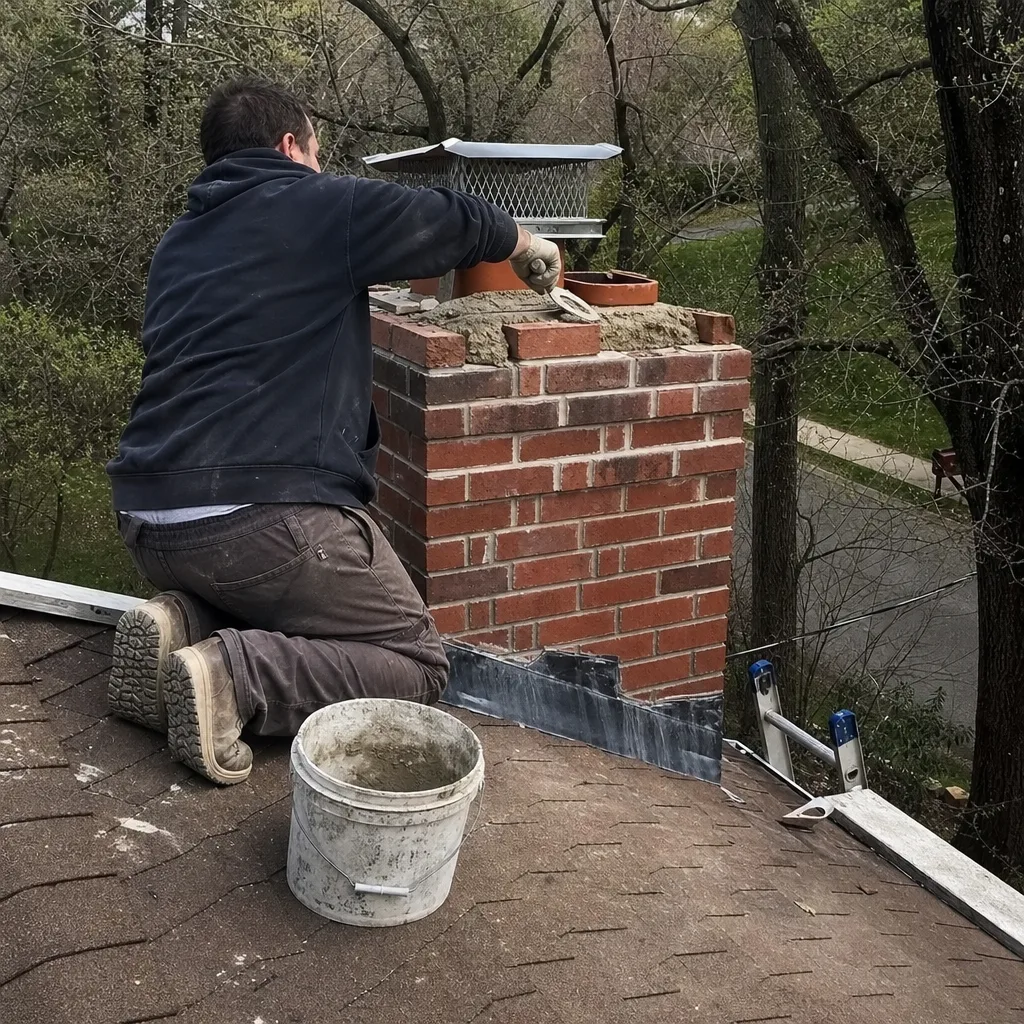
Call a professional when the camera report shows the problem is structural or functional: spalled clay liner, separated flue tile joints, a firebox with cracked firebrick and failing mortar, or a smoke chamber that is shedding parge coat onto the smoke shelf. Call when you are buying a Clifton home and want the chimney permit history pulled, or when you are selling and need a Level 2 report before the buyer asks for one. Call when an insurance agent has questions about prior work and wants a documented condition report with photos. Level Two Chimney Clifton offers free estimates in Clifton - call (551) 282-9640.
Frequently Asked Questions
No. Chimney cleaning and sweeping is classified as maintenance under the New Jersey Uniform Construction Code and does not require a permit anywhere in the state, including Clifton. You can have your chimney swept annually, or twice a year if you burn wood heavily, with no building department involvement at all.
Yes. Installing or replacing a flue liner alters the chimney’s venting system and triggers a building permit under the UCC as adopted by Clifton. The permit typically costs between $75 and $200, requires a rough inspection while the liner is still visible, and produces a closed permit record that matters at resale and for insurance claims.
A Level 1 inspection is a visual check of the accessible portions of the chimney and is standard during routine cleaning when nothing has changed. A Level 2 inspection adds a camera scan of the full flue interior and is required by NFPA 211 on any property sale, after any chimney fire, or before changing the appliance. A Level 2 report gives you photo documentation that holds up with Clifton building inspectors, insurers, and real estate attorneys.
Request an open permit search for the property address through Clifton’s construction office at City Hall or the city’s online portal. Look for entries mentioning flue liner, chimney, fireplace, or wood stove, and confirm each one shows a closed final inspection. If the seller claims work was done and no permit exists, ask for a retroactive permit or negotiate a credit before closing.
It can. A standard HO-3 policy includes a code compliance exclusion, and if a fire is traced to unpermitted work that was never inspected, the carrier can deny the portion of the claim tied to code correction or, in concealment cases, more. The protection is a closed permit, inspection sign-offs, and a documented photo record of the work.
Once a year, at minimum, for a wood-burning fireplace used seasonally. If you burn more than two cords a year, or burn green or soft wood, twice a year is safer. Gas fireplaces still need an annual inspection and occasional cleaning, though not for creosote. Call (551) 282-9640 to schedule a cleaning and camera inspection in Clifton, and you will get a written price before any work starts.
The Bottom Line
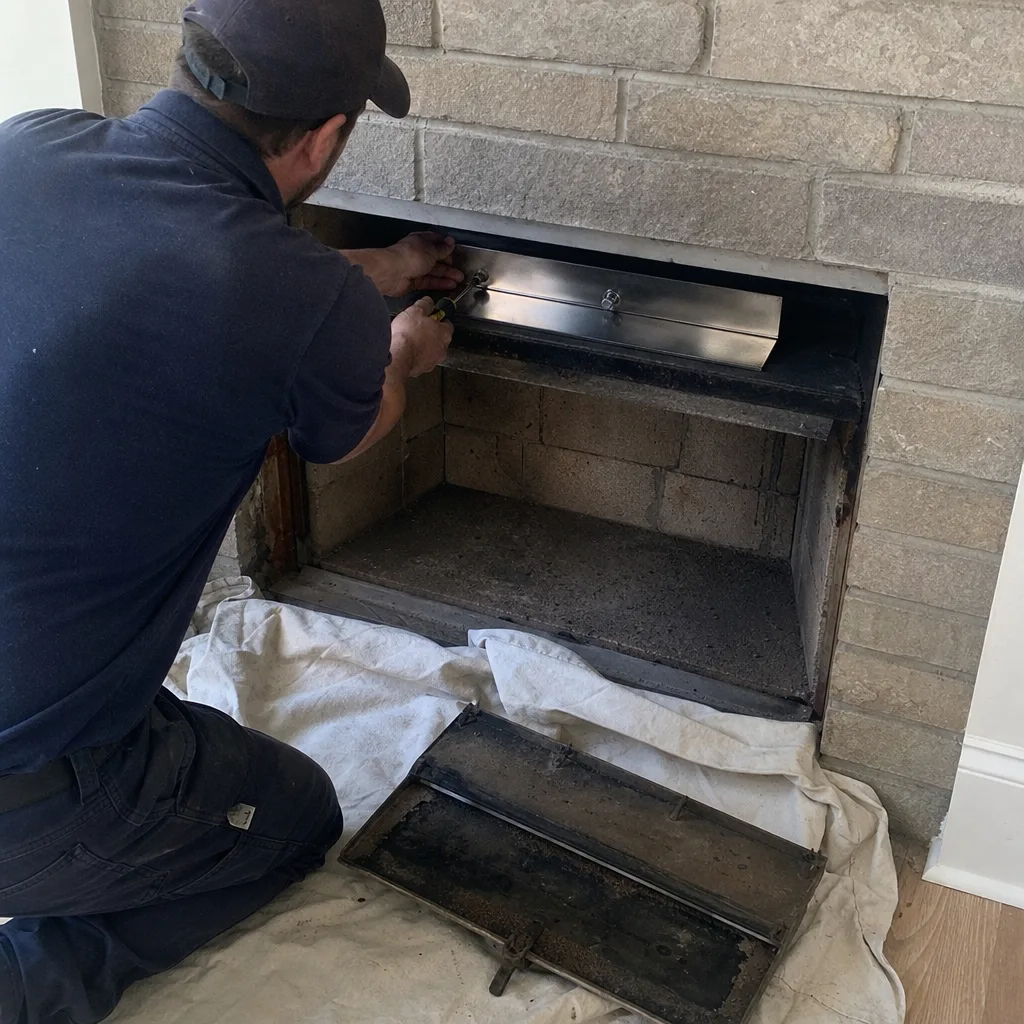
Chimney cleaning never needs a permit in New Jersey. Repairs do, and the line is whether the work changes the chimney system or just removes what accumulated. In Clifton, the permit process is cheap and the failure to use it is expensive: a closing that falls apart, an insurance claim that gets denied, or a retrofit inspection that means cutting into a finished wall. Pull the permit, keep the paperwork, and get a camera-scan inspection with photos so the condition of the chimney is documented, not assumed. That is the difference between a chimney you own comfortably and a chimney you explain at closing. For a free estimate in Clifton, call (551) 282-9640, or browse more guides & resources on chimney care.
Written by Corrine Halstead, Owner at Level Two Chimney Clifton, serving Clifton since 2009.