
Last updated September 20, 2026
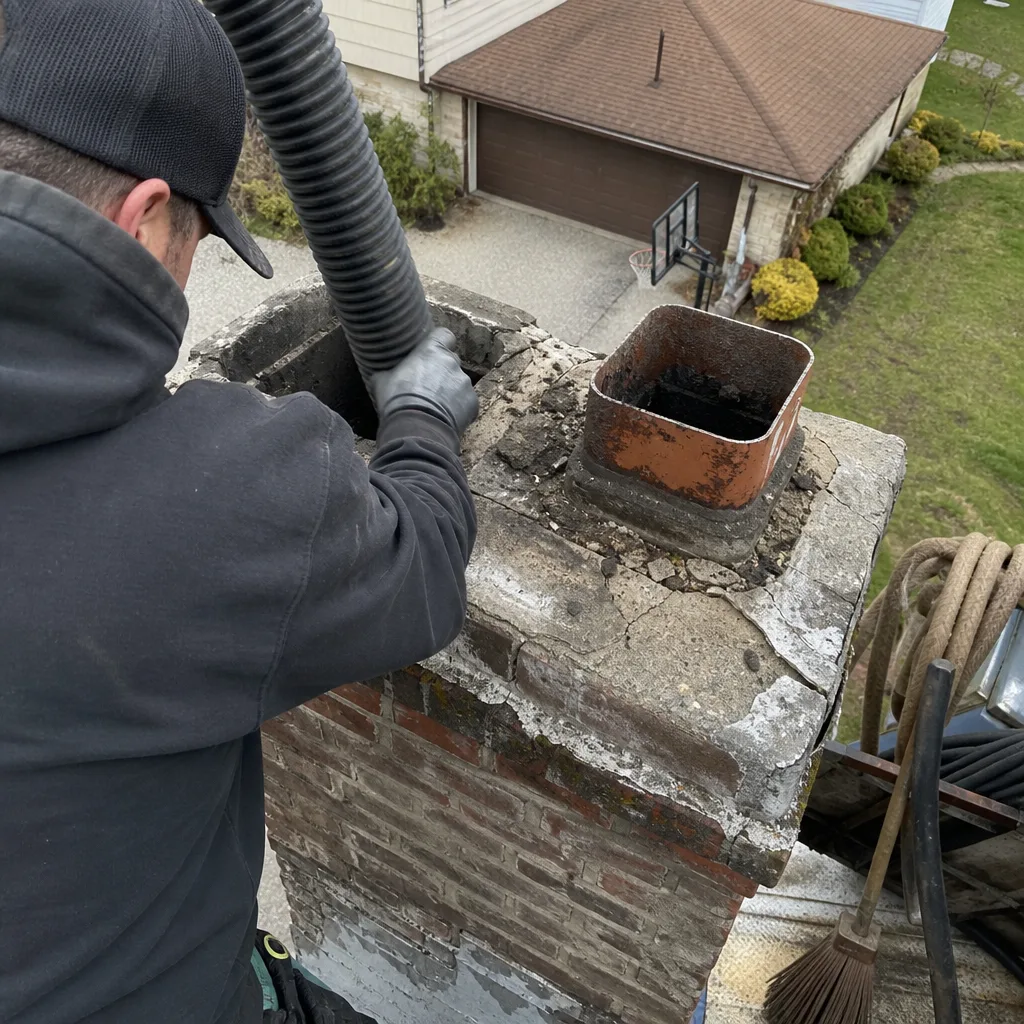
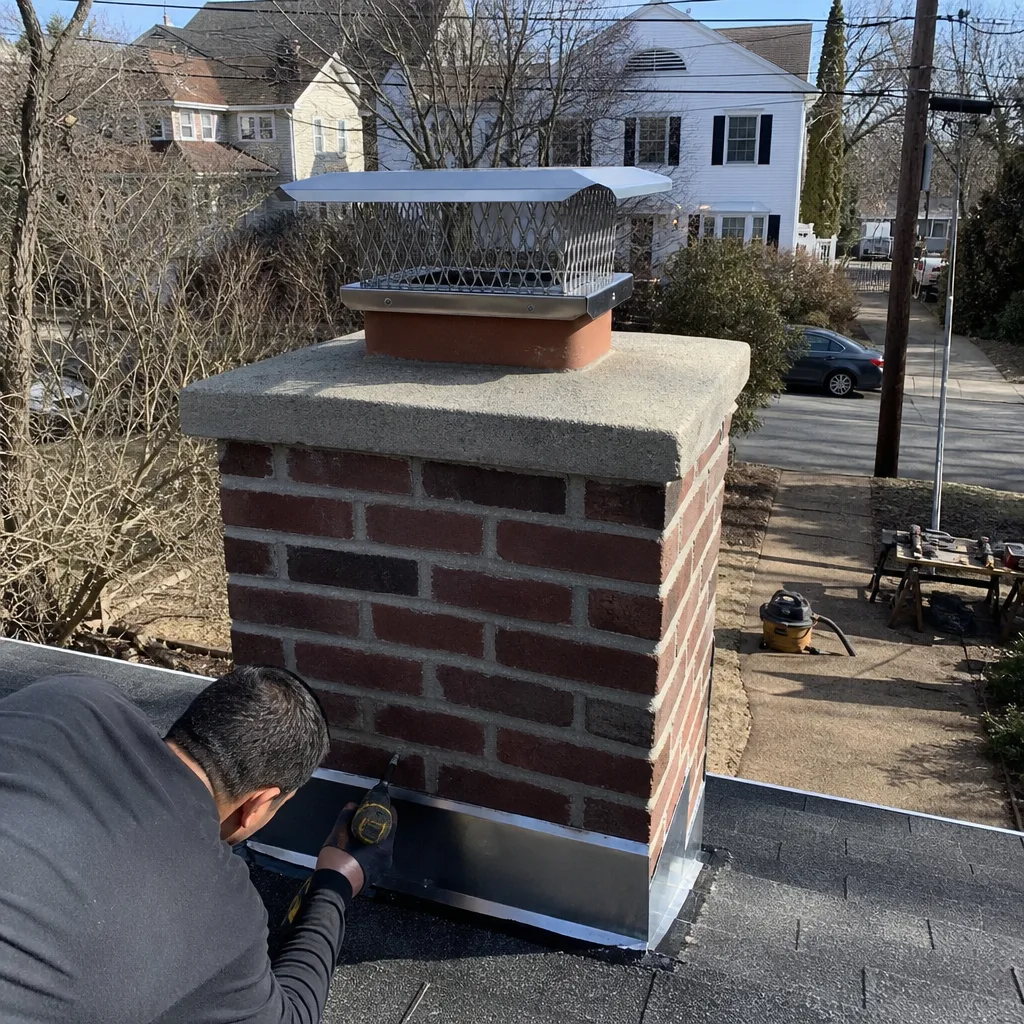
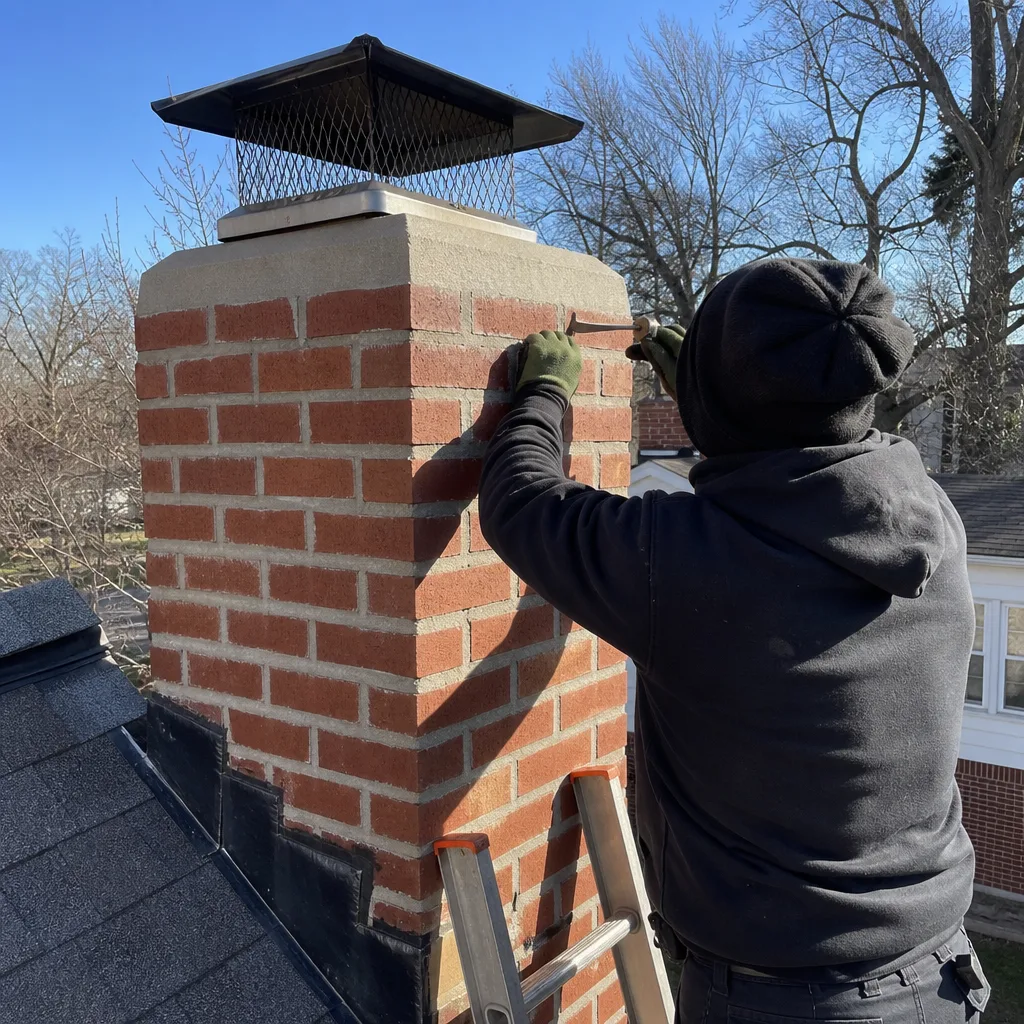
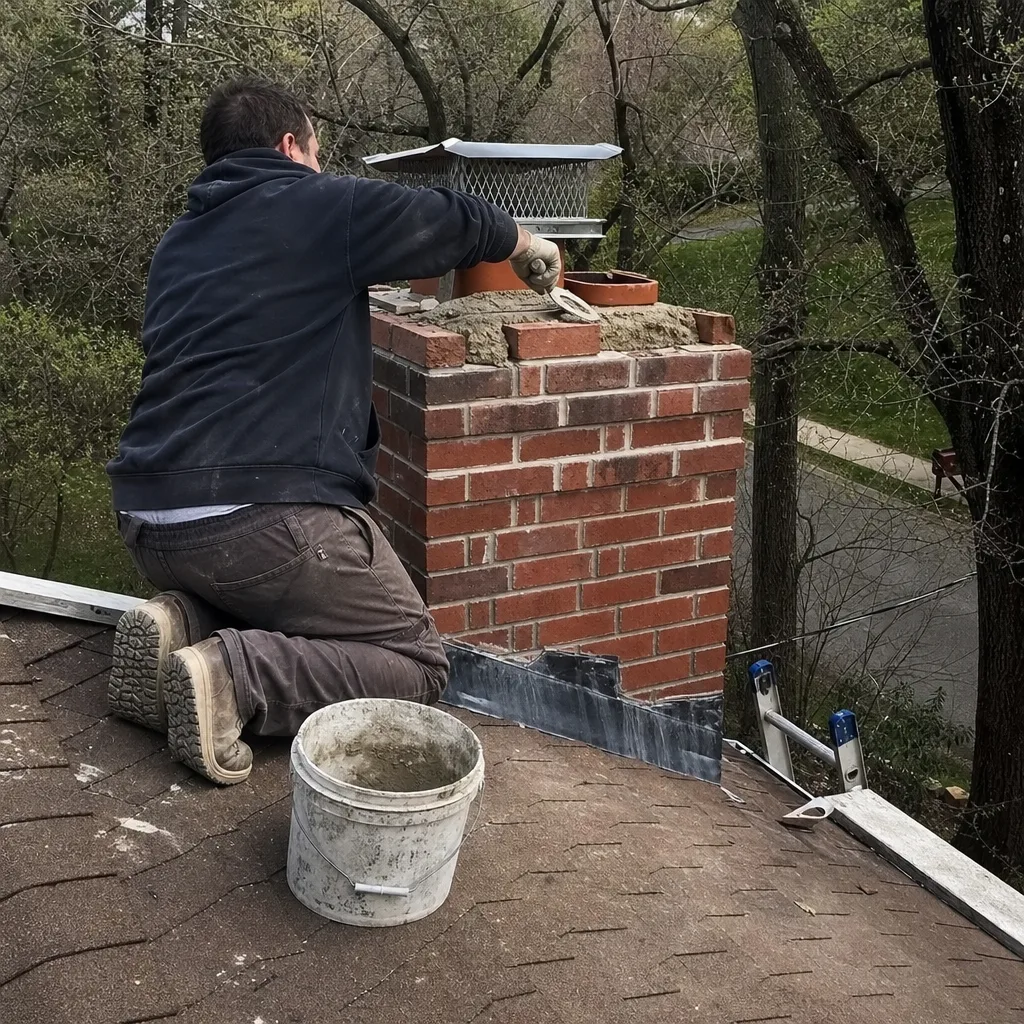
Level 1 sweep and inspection to the NFPA 211 annual standard - flue, crown, cap, and flashing checked and photographed
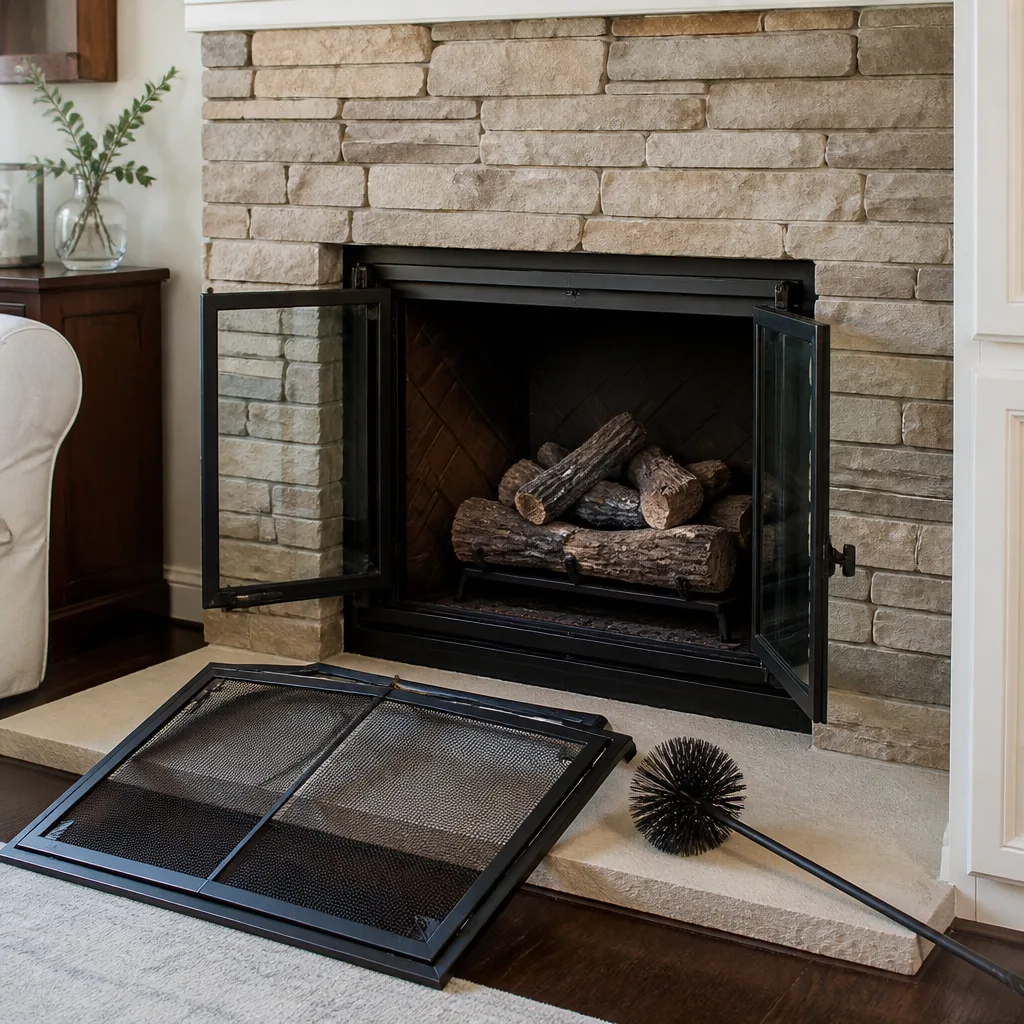
Chimney sweep logs do not sweep chimneys. They loosen some creosote - which then falls where a brush and vacuum still have to collect it.
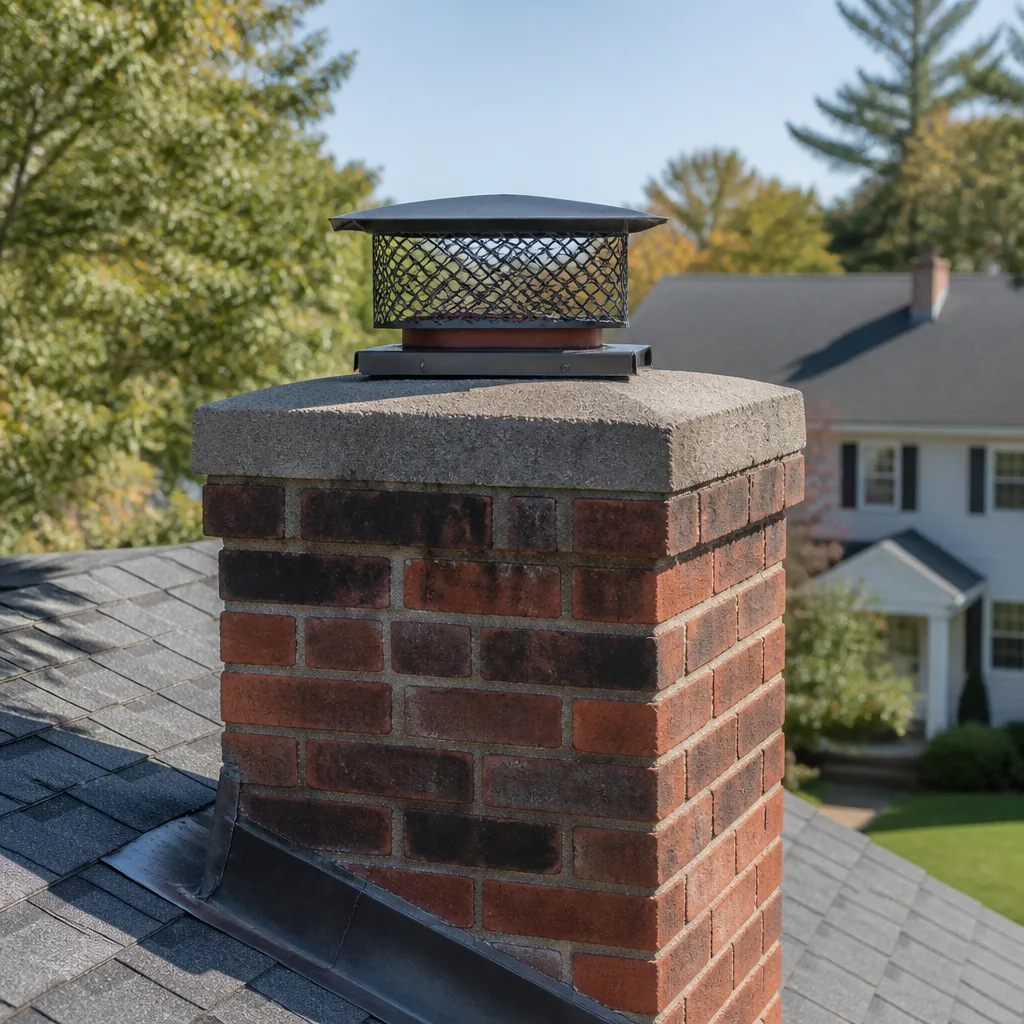
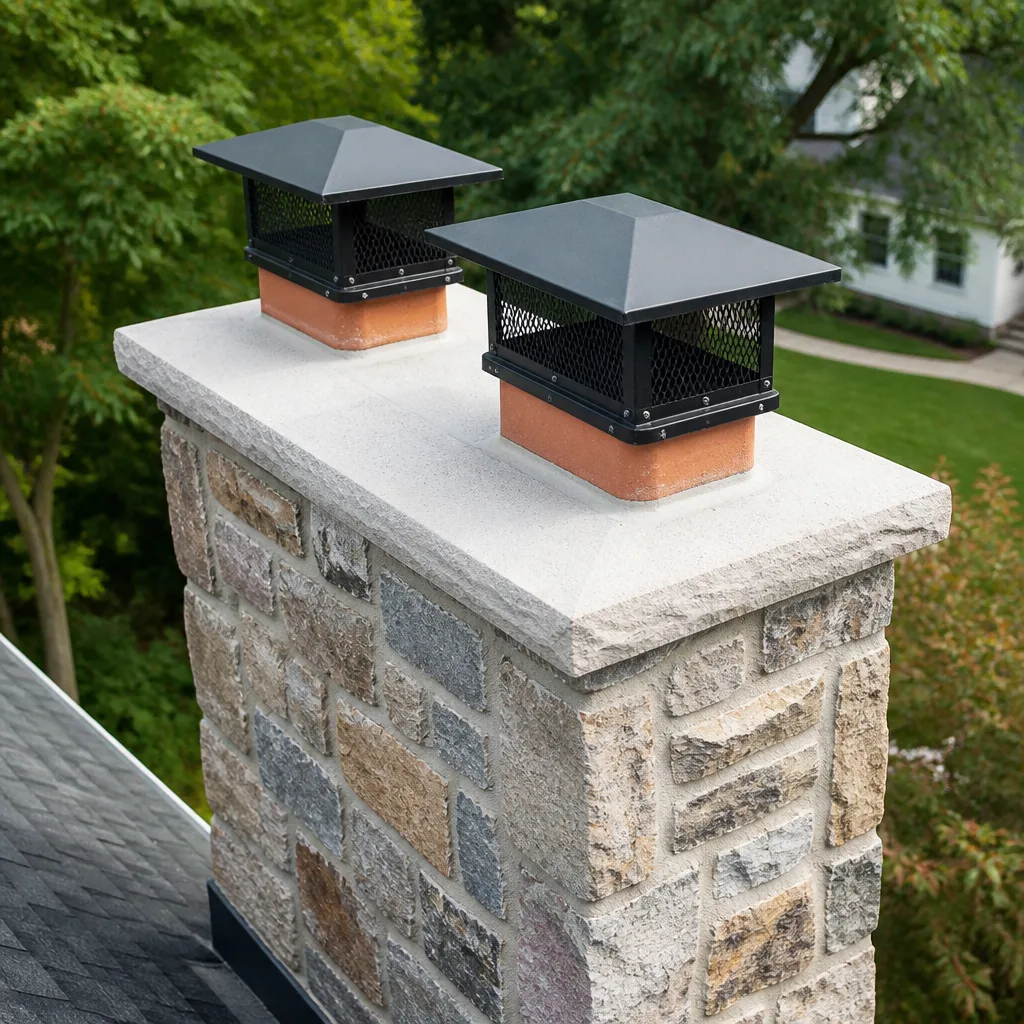
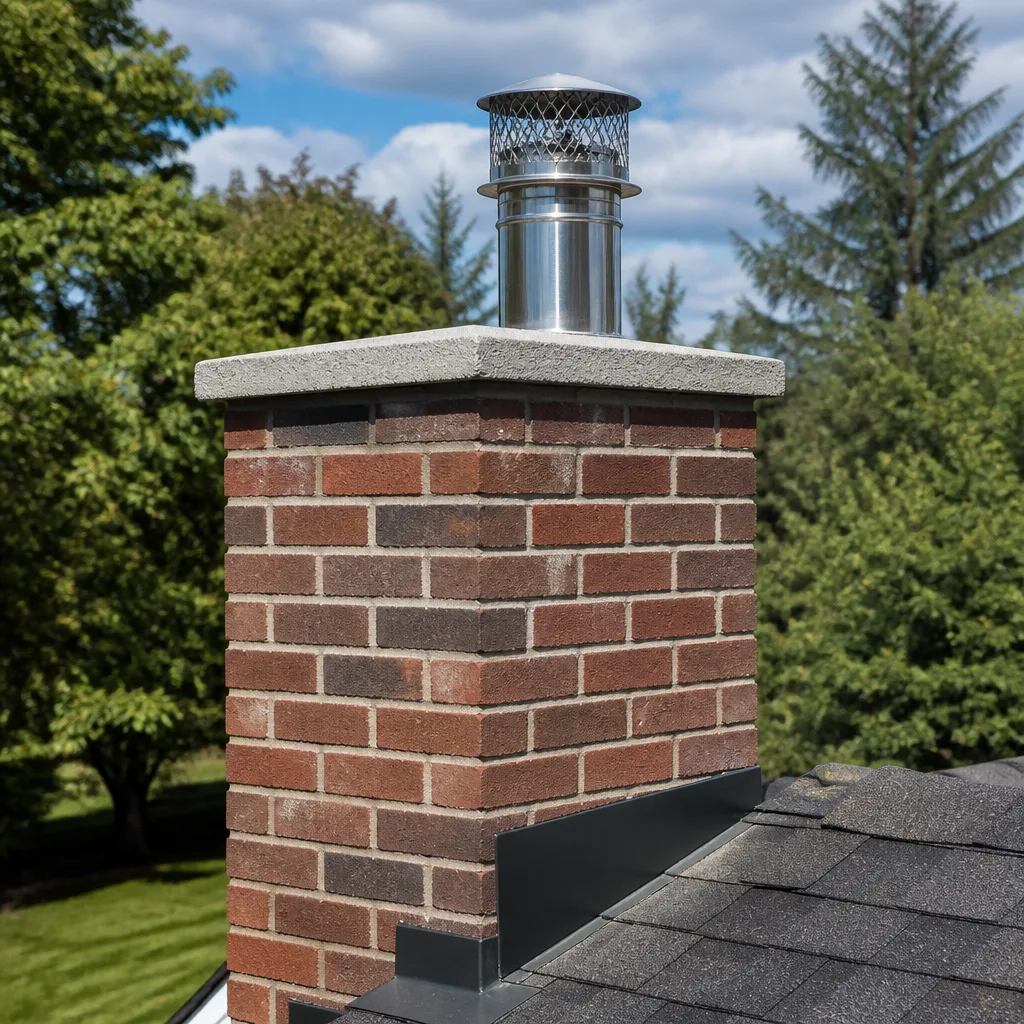
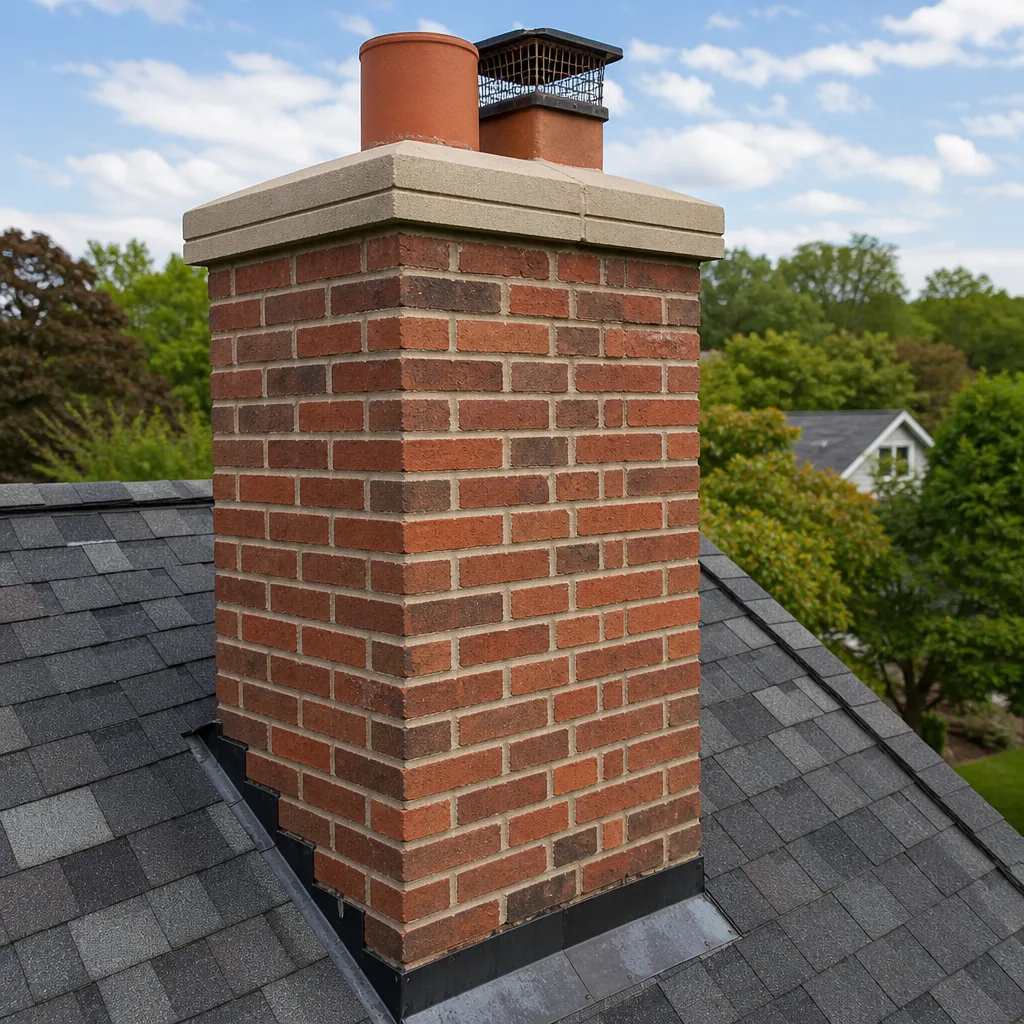
 Before
 After
After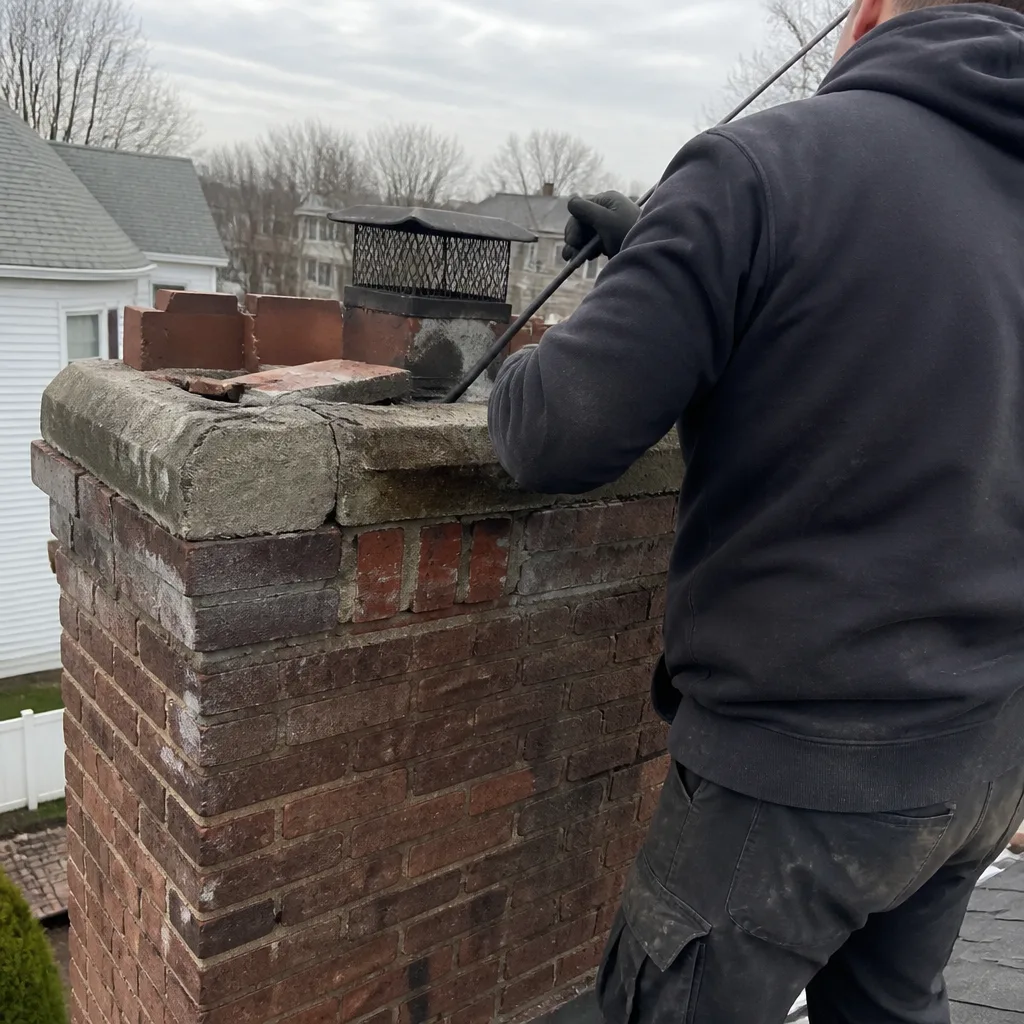 Before
 After
After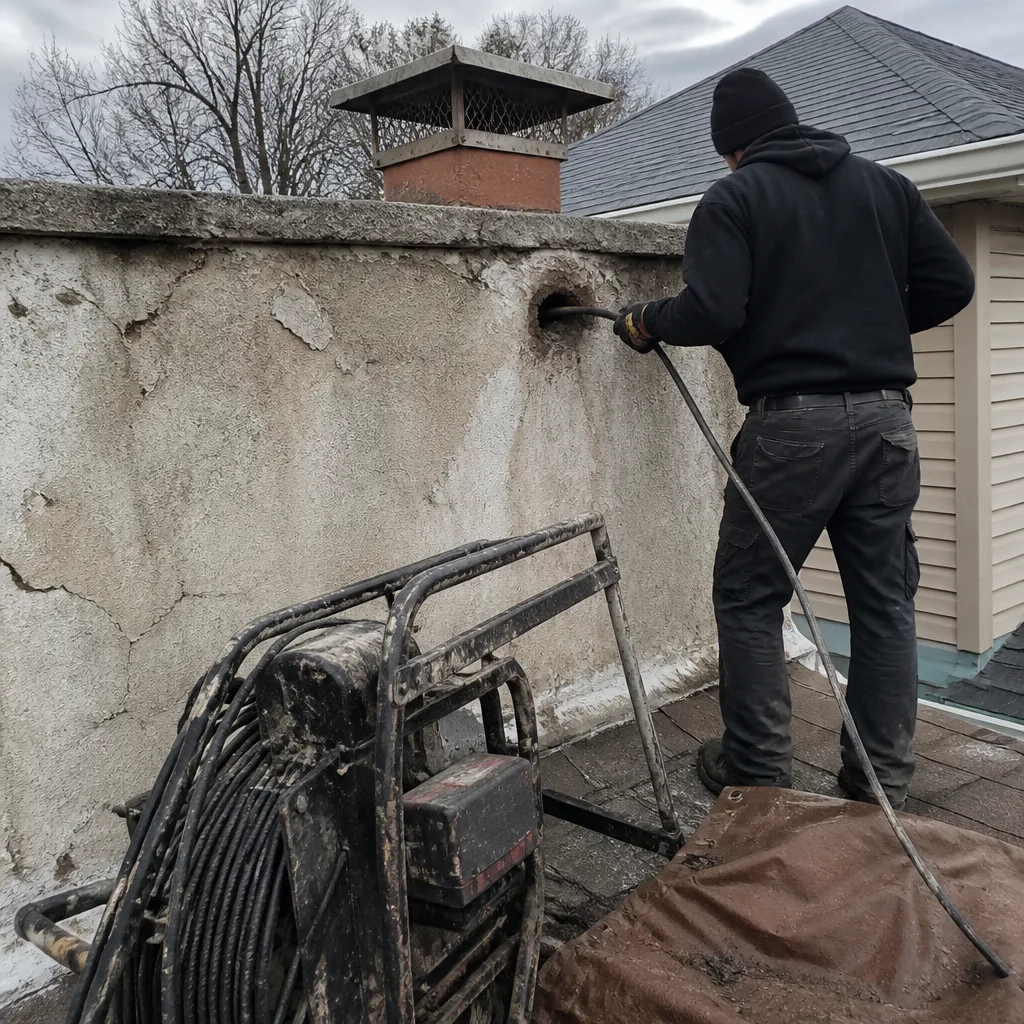 Before
 After
AfterChimney Cleaning Warning Signs: A Clifton Homeowner’s Reference Guide
White, chalky staining on exterior brick below the chimney is a warning sign most chimney articles skip entirely. It’s called efflorescence, and in Clifton’s freeze-thaw climate it means water has been moving through your masonry for at least one full season, expanding and contracting inside the joints every time the temperature swings. By the time visible smoke backs into the living room, the problem has usually been developing for months. This guide walks through what shows up first, what it means, and what each stage costs to address in Clifton, and you can find The Complete Guide to Chimney Cleaning in Clifton for deeper maintenance planning.
Quick Answer
The earliest chimney warning signs in Clifton NJ are efflorescence on exterior brick, a damper that stiffens between seasons, and a faint smoke odor when the fireplace isn’t in use, and our DIY vs Professional Chimney Cleaning: The Clifton Homeowner’s Decision Guide helps you decide how to respond. These appear months before visible smoke, and catching them at this stage typically costs $180 to $340 for a cleaning and inspection in Clifton, versus $2,500 to $9,000 for liner replacement once late-stage cracking sets in.
Table of Contents
- Early-Stage Signs: What Shows Up Months Before Trouble
- Mid-Stage Signs: When to Schedule a Professional Assessment
- Late-Stage Signs: Stop Using the Fireplace Immediately
- Efflorescence: The Warning Sign Competitor Guides Skip
- How to Document Warning Signs With Your Phone Camera
- What Each Stage Costs to Address in Clifton
- Why Clifton’s Climate Accelerates Every Stage
- Common Mistakes to Avoid
- When to Call a Professional
- Frequently Asked Questions
BeforeAfterEarly-Stage Signs: What Shows Up Months Before Trouble
Most chimney warning-sign lists lead with smoke in the room or a sluggish draft. Those are not early signs. By the time smoke enters the living space, you’re looking at a mechanical obstruction, a failed liner, or serious draft reversal, none of which appear overnight. The signs that actually show up first are subtler, and they’re the ones that let you fix a $300 problem before it becomes a $7,000 problem.
Here are the three early indicators we look for on Chimney Cleaning & Sweep in Clifton visits, in the order they usually appear:
- Efflorescence on exterior brick. White mineral deposits blooming on the face of the brick. This is dissolved salt being carried to the surface by water migrating through the masonry. It appears before cracks form, before spalling starts, before the crown fails. In Clifton, where winter temperatures routinely cycle above and below freezing, that trapped water expands roughly 9% in volume every time it freezes. Efflorescence is the first visual evidence the cycle has begun.
- A damper that stiffens between seasons. If the damper handle takes more force to move than it did last year, or if it squeaks and catches partway, that’s early rust forming on the hinge pin. Damper rust means moisture is present in the flue, even if the firebox looks dry. It’s one of the cheapest things to address and one of the most commonly ignored until the handle snaps.
- Faint smoke odor when the fireplace isn’t in use. A cold fireplace shouldn’t smell like a campfire. If you catch a faint, acrid scent near the hearth on a humid day or when the HVAC kicks on, that’s either creosote offgassing in a warm house or a draft reversal pulling air down the flue. Both are correctable at the cleaning stage. Neither fixes itself.
None of these three signs requires a repair. All three are flags for a cleaning and a Level 2 camera inspection, and they’re exactly the kind of thing a phone camera can capture for your own records, which we’ll walk through below.
Mid-Stage Signs: When to Schedule a Professional Assessment
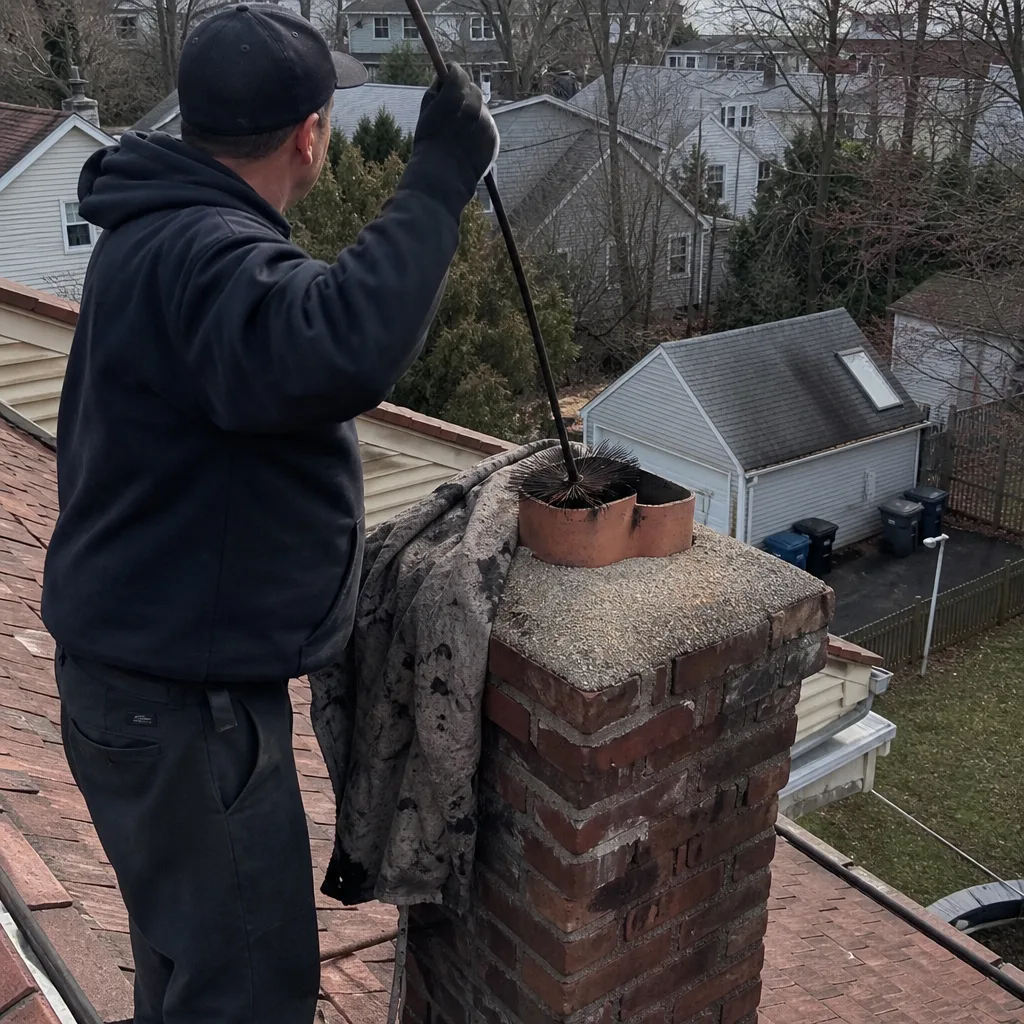
Mid-stage signs mean the chimney has moved past cleaning alone. The components are actively degrading, but the system is still repairable at a repair price, not a rebuild price. In Clifton, we typically see these show up after two to five seasons of unaddressed early-stage moisture.
What to look for:
- Spalling brick faces. The flat face of the brick has popped off, leaving a recessed, rough surface underneath. This isn’t cosmetic. Spalling means water has penetrated the brick body and fractured it from within. Once a brick face spalls, the brick’s structural integrity is compromised and it continues to lose material every freeze cycle. Clifton brick chimneys built before 1980 are especially prone, because the original mortar was often softer and more porous than the harder modern mixes.
- Mortar that powders when pressed. If you can scrape mortar out of a joint with a fingernail or a key, the joint has failed. Powdering mortar is the result of years of moisture absorption breaking down the lime binder. Repointing is the fix, but it needs to happen before the loose joints allow water to migrate deeper into the flue cavity.
- Rust staining on the firebox floor. Orange-brown stains on the firebrick inside the firebox indicate water is entering from above and pooling at the base. Common sources in Clifton are a shifted chimney cap, a cracked crown, or a failed flashing seal at the roofline. The fix depends on the source, which is exactly what a camera scan is for.
- A chimney cap that has shifted from true. If the cap lists to one side or if a corner has lifted, water gets direct access to the flue. In Clifton’s freeze-thaw cycles, the expansion of ice inside the cap’s mounting holes can pry the fasteners loose within a single winter. A shifted cap needs re-securing and re-sealing before the next storm, not next spring.
At this stage, the work needed is usually specific: repointing a section of brick, resetting a cap, sealing a crown with Gelco or HeatShield products, or repairing flashing. Prices in Clifton typically run $400 to $1,800 depending on scope. Every one of these is cheaper than what comes next.
Late-Stage Signs: Stop Using the Fireplace Immediately
Late-stage signs mean the chimney’s containment system has failed. A fireplace used in this condition puts combustion products, carbon monoxide, and fire risk directly into contact with the home’s structure. This is the point where we tell Clifton homeowners to stop burning until the system is assessed.
The three signs that mandate stop-use:
- Visible cracks in the firebox liner. If you can see cracking, spalling, or gaps in the firebox refractory panels or the flue liner, the chimney is no longer safely containing heat and exhaust. In a masonry chimney, cracked clay tile liners allow heat transfer to surrounding framing. In a prefab unit, cracked refractory panels mean the firebox itself is compromised. Either way, do not build another fire until a camera inspection documents the extent.
- Smoke entering the room with the damper fully open. This is the sign every generic list starts with, and by the time it happens, the system has already failed. Smoke with an open damper means one of three things: a significant creosote blockage, a collapsed or offset flue liner, or a negative pressure problem in the home that’s pulling exhaust back down the chimney. All three require professional diagnosis, and two of the three are repair or liner-replacement scenarios.
- A crown with gaps wide enough to insert a finger. If you can run a finger or a flathead screwdriver into the gap between the crown and the flue, the crown has separated. Water enters freely, and in Clifton the freeze-thaw action widens that gap every winter. Crowns with finger-width gaps usually indicate the entire top-of-chimney assembly needs rebuilding, which is a multi-hundred to low-thousand-dollar job depending on access and materials.
Late-stage repair in Clifton runs from $2,500 for a partial liner replacement to $9,000+ for a full liner and smoke chamber rebuild. The lesson across all three stages is consistent: earlier detection is always cheaper. A cleaning and inspection at the early stage typically pays for itself many times over if it prevents a single mid-stage repair from escalating.
Efflorescence: The Warning Sign Competitor Guides Skip
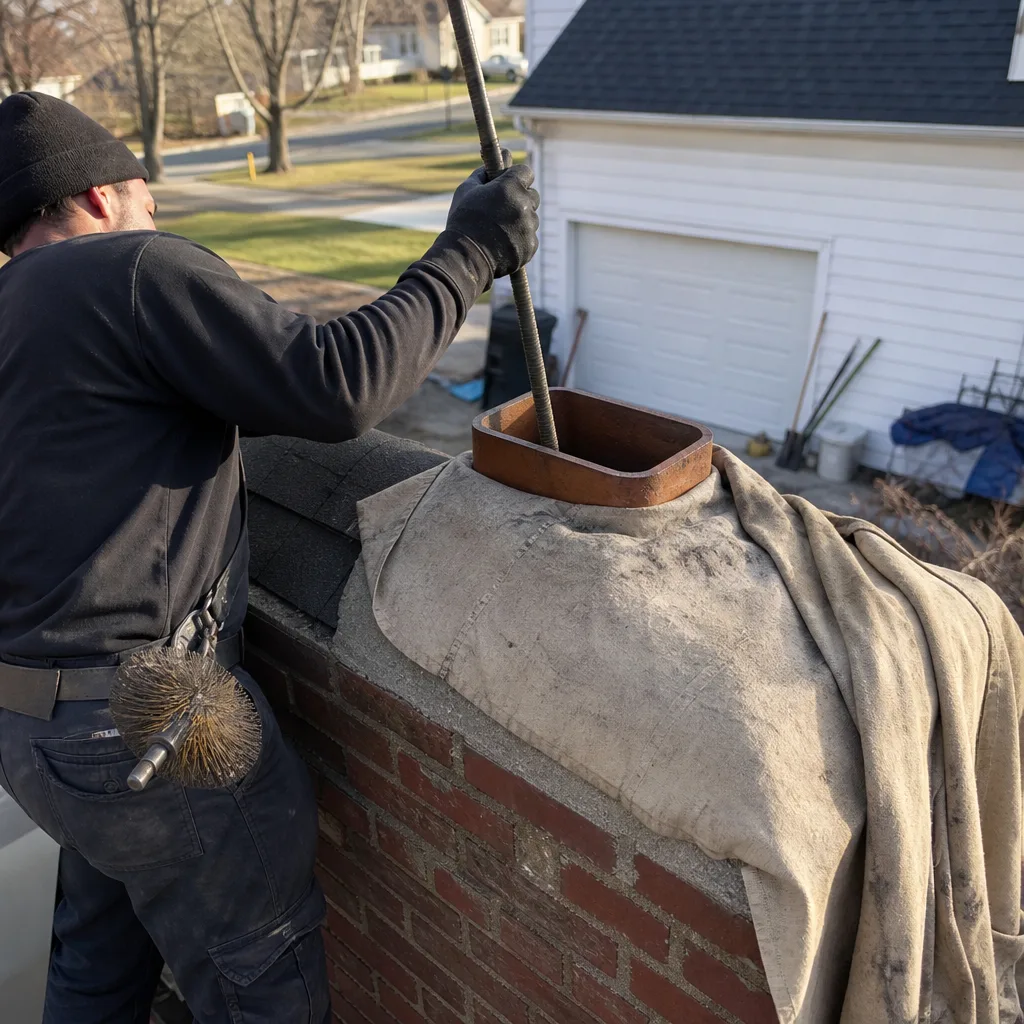
Efflorescence is the white, chalky bloom on exterior brick, and it’s the single most underreported chimney warning sign in homeowner literature. Here’s what’s actually happening: water enters the masonry through pores, cracks, or a failed cap, dissolves the natural salts inside the brick and mortar, and carries them to the surface. When the water evaporates, the salt stays behind as a white crystalline deposit.
The key diagnostic point: efflorescence is not the problem itself. It’s the evidence of the problem. Water is in the masonry. That’s a fixed fact, not a guess. In Clifton’s climate, where winter temperatures swing both directions across freezing dozens of times per season, trapped water becomes trapped ice, and trapped ice expands with enough force to crack brick and mortar from the inside. The efflorescence you see in July is the result of water that entered in March and April.
What to look for:
- Pattern. Efflorescence from a chimney problem tends to concentrate below the crown, along mortar joints, or in a vertical band below a flashing point. Diffuse staining across the entire wall is more likely a masonry moisture issue. Localized chimney staining points to the chimney itself.
- Texture. If the white deposit is powdery and brushes off easily, it’s active efflorescence, and water is currently moving through the masonry. If it’s hard and crusty, the water source may have dried up, or the salts have crystallized into a more durable form. Both warrant an inspection, but active powder means an active leak.
- Seasonal changes. Take a photo in March and another in August. If the staining intensifies after a wet spring, the chimney is actively absorbing water. In our experience, Clifton homes with unsealed crowns and original 1980s flashing show efflorescence progression within two seasons.
The fix for efflorescence is fixing the water source. That can mean crown sealing, flashing repair, cap replacement, or masonry waterproofing. Once the water stops entering, the efflorescence stops growing, and the remaining staining can be brushed off or left to weather away. What you can’t do is seal over active efflorescence and expect the problem to resolve. Sealing brick against water while water is still entering from above simply traps it inside, which accelerates spalling. In Clifton, we see this mistake on homes where a previous owner applied a hardware-store masonry sealer over a leaking crown. The brick looked fine for a year, then started popping faces off in sheets.
How to Document Warning Signs With Your Phone Camera
Your phone is the single most useful tool for tracking chimney condition over time. The goal is to build a year-over-year visual record that shows change. A crack that holds steady for three years is a different conversation than a crack that grows between March and November. Here’s the documentation method we recommend to Clifton homeowners, and it’s the same discipline we apply on every visit under Clause 4 of the Haven Standard, which requires a documented photo record on every job.
Step 1: Standardize the angles. Shoot the same four views every time:
- Full chimney from 15 to 20 feet away, standing at street level. This catches cap alignment and overall crown profile.
- Crown close-up from the roofline or an upstairs window. You want the camera looking down at the crown, catching any gap between crown and flue.
- Brick face at an angle. Hold the phone at about 45 degrees to the brick surface so the camera catches mortar joint depth. Straight-on shots flatten the joints and hide recession.
- Firebox and damper from inside. Open the damper fully and shoot up the flue with flash on. This catches liner condition as far as the camera can reach and damper rust.
Step 2: Shoot in the same season, same time of day. Morning light after rain shows efflorescence most clearly. Mid-day sun in summer overexposes brick and hides texture. Pick a consistent month and hour, and stick to it. In Clifton, March and October are useful months because they bracket the freeze cycle.
Step 3: Include a reference object for scale. For close-up shots of spalling or crown gaps, hold a quarter or a key next to the area you’re documenting. This gives you an objective size reference when you compare photos six months later. A gap that fits a quarter is different from a gap that fits a nickel.
Step 4: Store them in an album called “Chimney.” The biggest failure mode we see is photos scattered across a camera roll, never to be compared. A dedicated album costs nothing and takes thirty seconds. When you call for a professional assessment, having three years of the same four angles is more useful than any description you could give over the phone.
We’re happy to review homeowner photos before scheduling a visit if you’re unsure whether something warrants a call. You can always send photos along or describe what you’re seeing, and we’ll tell you honestly whether it needs eyes on it now or can wait for your next cleaning.
What Each Stage Costs to Address in Clifton
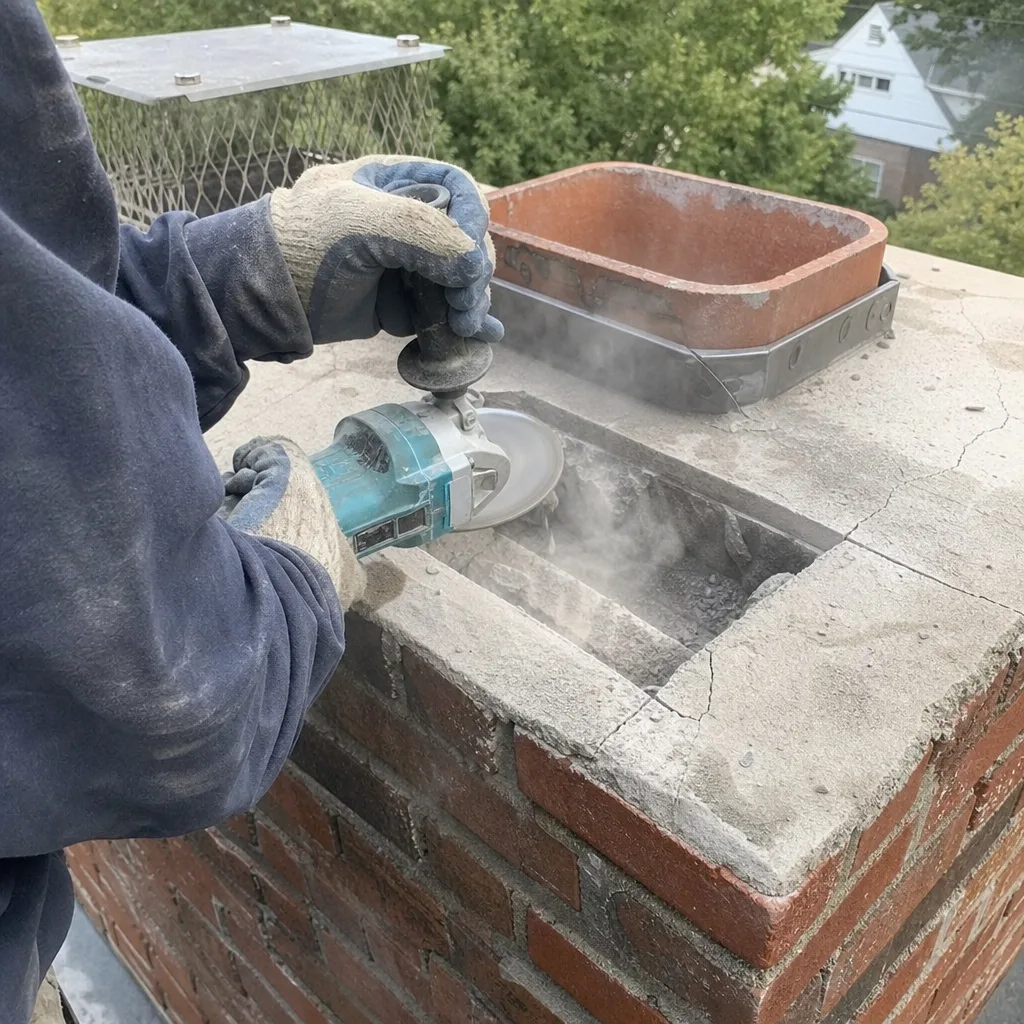
Here’s the practical reality in Clifton as of 2025, and the numbers below reflect the range we see across the city’s housing stock, from mid-century colonials in Richfield to newer construction near Main Memorial Park. Every figure assumes a standard single-flue masonry chimney. Prefab and multi-flue systems shift these ranges, and Clifton’s older housing stock includes a lot of both.
- Early-stage: Cleaning and Level 2 inspection. $180 to $340. This is the answer when the signs are efflorescence, a stiff damper, or faint cold-hearth odor. The cleaning removes creosote, the camera scan documents liner and smoke chamber condition, and you walk away with photos and a written condition report. Under Clause 1 of the Haven Standard, you get a written price before work starts, and under Clause 4, the photo record is included, not optional.
- Mid-stage: Targeted repair. $400 to $1,800. This covers repointing a section of mortar joints, resetting a shifted cap, sealing a crown with Gelco or HeatShield products, or repairing flashing at the roofline. The range is wide because access matters: a one-story ranch with an easy roof pitch lands at the bottom, a three-story Clifton home with a steep roofline lands near the top.
- Late-stage: Liner or firebox replacement. $2,500 to $9,000+. This is the territory where visible cracks, finger-width crown gaps, or smoke blowback have already appeared. Stainless steel liner installation with Chimney Repair in Clifton falls in the $2,500 to $5,000 range for a standard single-flue, depending on flue dimensions and access. Full firebox and smoke chamber rebuild with materials from HeatShield or Olympia Chimney runs $6,000 to $9,000+ when a masonry rebuild is required.
The math is straightforward. One early-stage cleaning and inspection at $300 catches a crown crack that would become a $1,200 crown repair. That repair catches the water intrusion before it becomes a $4,500 liner replacement. The cheapest thing you can do for a chimney in Clifton is look at it annually, even if you only burn a fire three times a winter.
Why Clifton’s Climate Accelerates Every Stage
Clifton sits in a climate band that’s unusually hard on masonry chimneys, and it’s worth understanding why, because it changes the timeline for every warning sign in this guide.
The issue is the freeze-thaw cycle, not the cold alone. When water enters a brick joint or a crown crack and then freezes, it expands roughly 9% in volume. That expansion exerts enough force to crack brick and mortar. When the ice thaws, the water penetrates deeper into the newly opened space, and the next freeze pushes further still. Clifton’s winter temperatures cross the freezing line repeatedly, often daily, from late November through March. A single crown crack can double in width over one winter.
What this means for Clifton homeowners specifically:
- Chimneys here age faster than in drier, warmer climates. A crown that would last twenty years in Phoenix needs attention after ten to twelve in Clifton. If your home was built before 1990 and you’ve never had the crown sealed, assume it needs at least an assessment.
- Prep before burning season matters more than cleaning after. September and October are the months to have the chimney cleaned and inspected in Clifton, before the first freeze cycle. Once winter hits, any water already in the masonry is doing its damage, and a visual inspection in February will show the results, but it can’t undo them.
- Efflorescence appears here faster and more visibly. Because Clifton gets steady, year-round precipitation, water moves through masonry for more months of the year than in drier climates with similar temperatures. Pay attention to it.
- Homes in low-lying sections of Clifton, near the Passaic River and Weasel Brook flood zones, see more moisture-related chimney wear. Higher ambient humidity and occasional basement flooding contribute to interior moisture that finds its way into masonry. If you’re in one of those areas, annual inspection is not optional.
Common Mistakes to Avoid
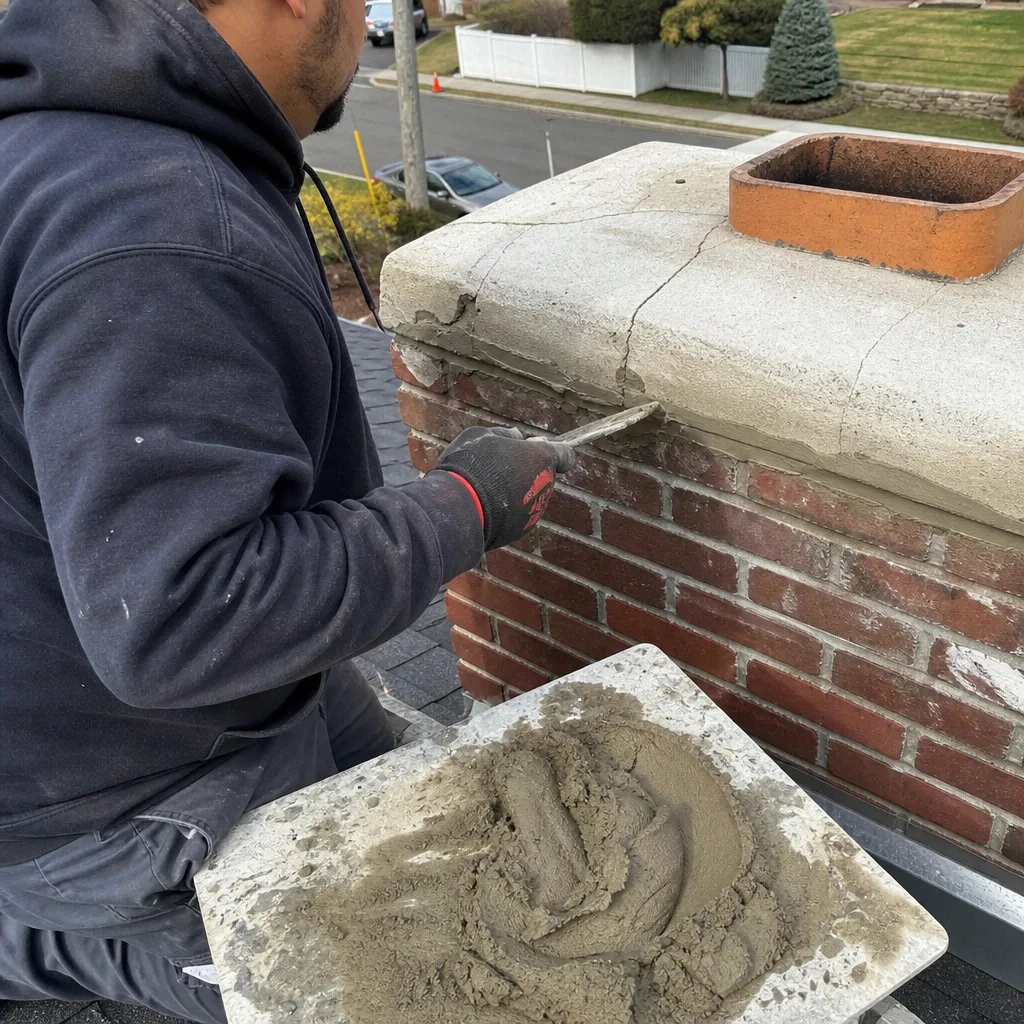
- Sealing over active efflorescence. This is the most common mistake we see in Clifton. If water is still entering from above, sealing the brick face traps it inside. The brick spalls within a season or two, and the repair is more expensive than fixing the original water source would have been.
- Ignoring a stiff damper. It feels like a minor annoyance until the handle snaps mid-winter and you can’t close the damper at all. That’s a $150 fix that becomes a $400 repair, and it’s often a sign of moisture that’s affecting other components too.
- Adding a chimney fire log to “clean” a neglected chimney. Those logs don’t clean. At best, they loosen some creosote, which then falls down the flue and creates a new blockage. At worst, they give a false sense of security. A Clifton chimney with actual Class III creosote needs mechanical cleaning, not a product.
- Assuming no fires means no problems. Water damage, cap failure, and crown cracking happen whether or not you burn. Some of the worst chimneys we inspect in Clifton belong to homeowners who never use their fireplaces but assumed that meant the chimney was fine.
- Waiting for smoke to call a sweep. By the time smoke backs into the room, you’ve moved past cleaning and into repair territory. The whole point of knowing the early signs is that you never get to the smoke stage.
- Hiring a sweep who won’t put the price in writing before work starts. In Clifton, every legitimate chimney company should be able to give you a written price and a written scope before anyone arrives on site. If they won’t, or if the price changes after the tech gets there, that’s not a company you want working on your chimney. This is Clause 1 of the Haven Standard, and it’s the entire reason we built the company around written pricing from day one.
- Letting three years pass between cleanings because “we only burn occasionally.” The creosote clock doesn’t care about frequency. Low, slow fires build creosote faster than hot fires, and even one cord of wood per winter can produce enough buildup to warrant annual attention. In Clifton, where most chimneys are older masonry, annual inspection is the standard we recommend to every homeowner.
When to Call a Professional
If you’ve read this far and recognize any of the early-stage signs, call before burning season. If you see a mid-stage sign like spalling or mortar that powders, call within the month. If you see a late-stage sign like a cracked firebox liner or smoke blowing back with the damper open, stop using the fireplace and call today.
Level Two Chimney Clifton offers free estimates throughout Clifton. Every job gets a written price before work starts, a camera-scan inspection with documented photos, and a written warranty. We’ll tell you honestly if work can wait or if it can’t, and we’re happy to review your phone photos before scheduling if you’re not sure what you’re looking at, or read How to Hire a Chimney Cleaning Contractor in Clifton: A Step-by-Step Guide to prepare. Call (551) 282-9640.
Frequently Asked Questions
A chimney sweep and Level 2 inspection in Clifton typically runs $180 to $340. The price includes mechanical creosote removal, camera scan of the flue, and a documented photo report. We can’t give an exact figure without seeing the chimney, because flue height, creosote class, and access all affect the work, but every job gets a written price before we start, never a surprise after.
Once a year, assuming you burn wood. The NFPA standard is annual inspection, with cleaning as needed based on creosote buildup. In practice, most Clifton homeowners who burn wood should expect annual cleaning as well. If you only burn a few fires a year, the inspection still matters, because water damage and cap failure happen whether or not you burn. Call (551) 282-9640 for a free estimate on your next cleaning.
If a camera scan confirms the crack, yes, in nearly every case. A cracked flue liner exposes the chimney structure and nearby home framing to heat, exhaust gases, and carbon monoxide. There’s no safe “patch” for a compromised liner in a masonry chimney. The fix is a stainless steel liner installation or a HeatShield resurfacing, depending on liner condition and flue dimensions. We’ll show you the camera footage before recommending anything.
Creosote accumulates. It’s a natural byproduct of wood combustion, and it’s highly flammable. At Class II and Class III buildup, a hot fire can ignite it, creating a chimney fire that can hit 2,000 degrees, enough to crack clay liners, warp metal, and transfer heat into the home’s framing. Even short of a fire, buildup reduces draft, which pushes smoke and carbon monoxide into the living space. The cleaning is $180 to $340. The after-fire rebuild starts around $4,500.
Yes. Every estimate in Clifton is free, and every estimate includes a written price, written scope, and written warranty before work begins. We also offer a free second opinion on any written competitor quote. Bring us the quote and we’ll review it against our own assessment. Call Fireplace Services in Clifton at (551) 282-9640.
Yes, we serve all of Clifton and surrounding Passaic County. Our schedule fills in September and October as burning season approaches, so if you’re seeing any of the warning signs in this guide, book early. Every visit includes a camera-scan Level 2 inspection, a documented photo record, and a written condition report. Call (551) 282-9640 to schedule.
The Bottom Line
Chimney problems don’t announce themselves. They develop quietly, and the first signs, efflorescence on brick, a stiffening damper, a cold-hearth smoke smell, are easy to dismiss. But in Clifton’s freeze-thaw climate, every season those signs go unaddressed pushes the eventual repair further up the cost curve. The single most valuable thing a Clifton homeowner can do is photograph the chimney from the same four angles every year, call for a cleaning and inspection when something changes, and browse more guides & resources to stay ahead of problems. The cleaning costs $180 to $340. The liner replacement it prevents costs $2,500 to $9,000. The math is simple.
Level Two Chimney Clifton has inspected and cleaned more than 38,000 chimneys since 2009, every one with a written price before work started and a documented photo record when it was done. Our Level Two Chimney Clifton home page has more on how we work, and our pricing and process are always available in writing before anyone arrives. We’re here 24/7 at (551) 282-9640 to answer questions about anything in this guide.
Written by Corrine Halstead, Owner at Level Two Chimney Clifton, serving Clifton since 2009.