
Level 1 sweep and inspection to the NFPA 211 annual standard - flue, crown, cap, and flashing checked and photographed
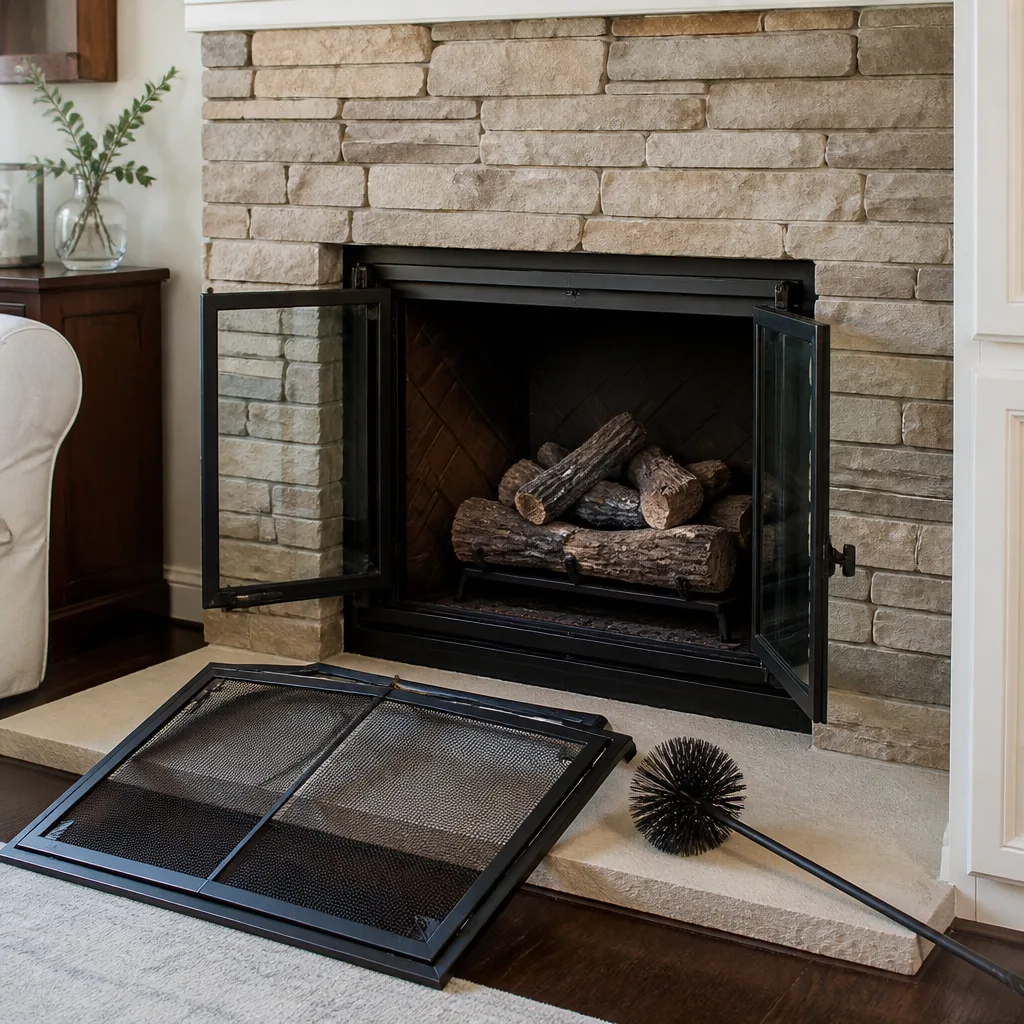
Chimney sweep logs do not sweep chimneys. They loosen some creosote - which then falls where a brush and vacuum still have to collect it.
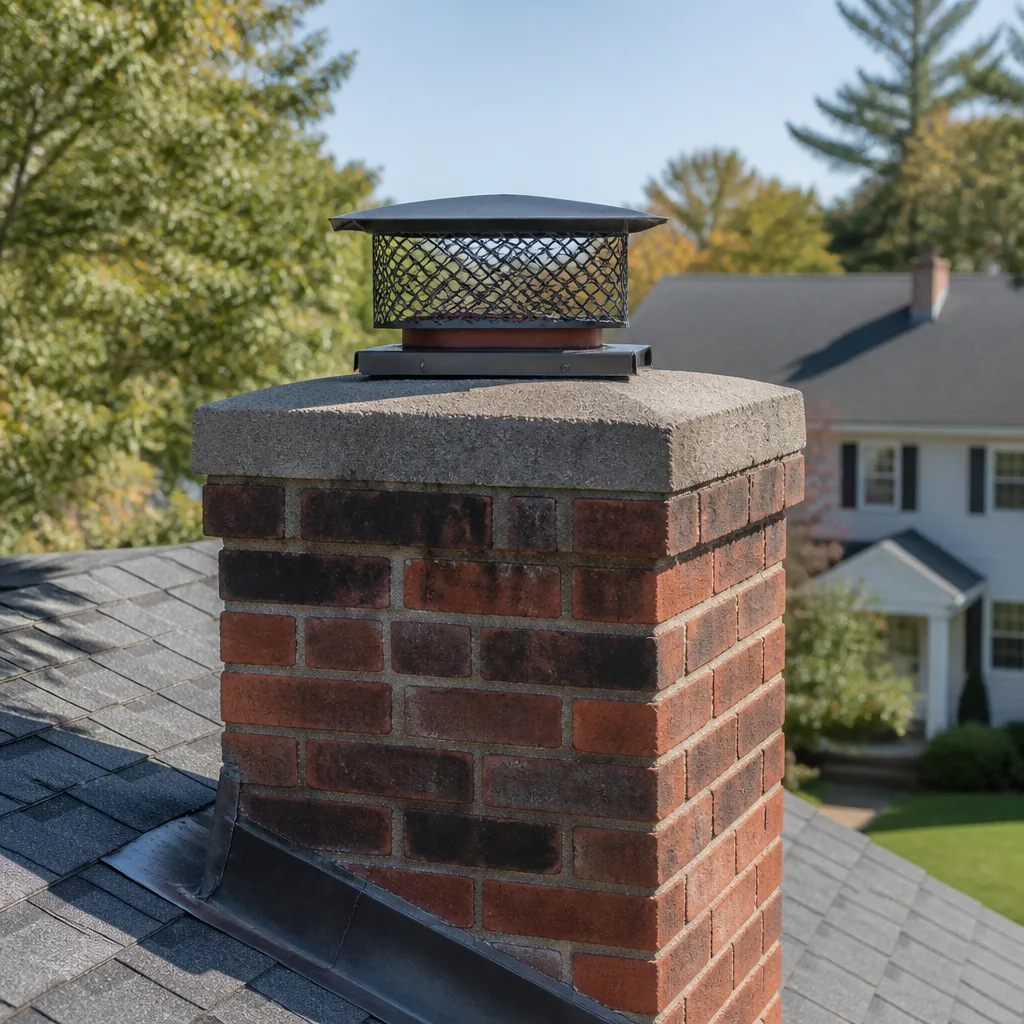
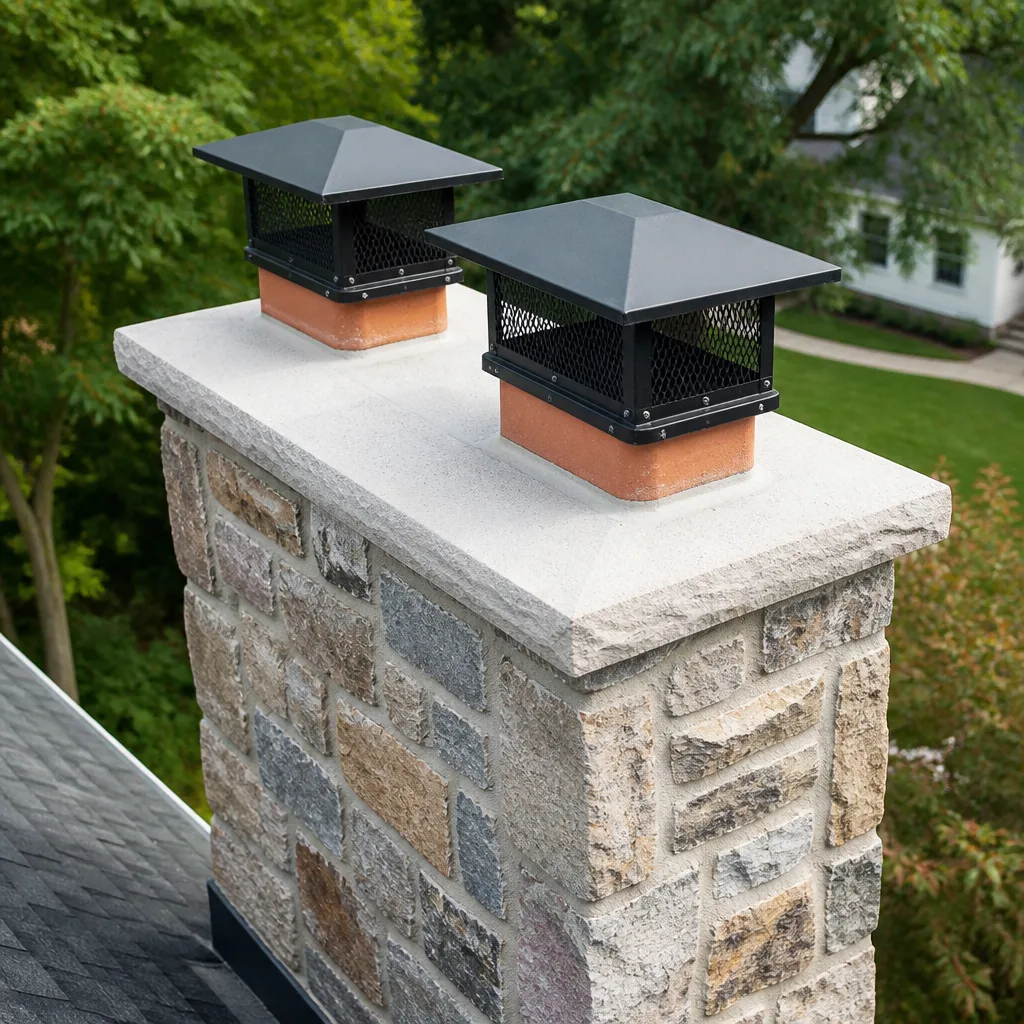
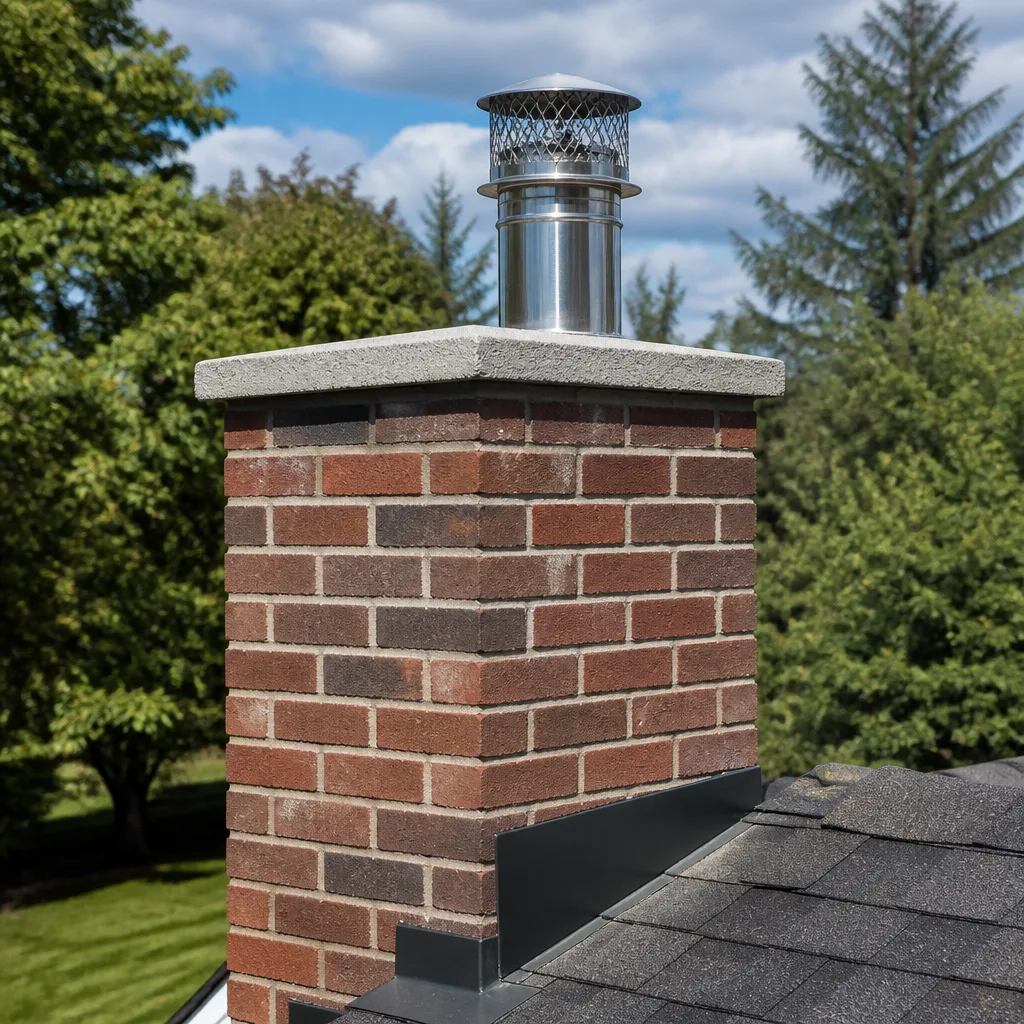
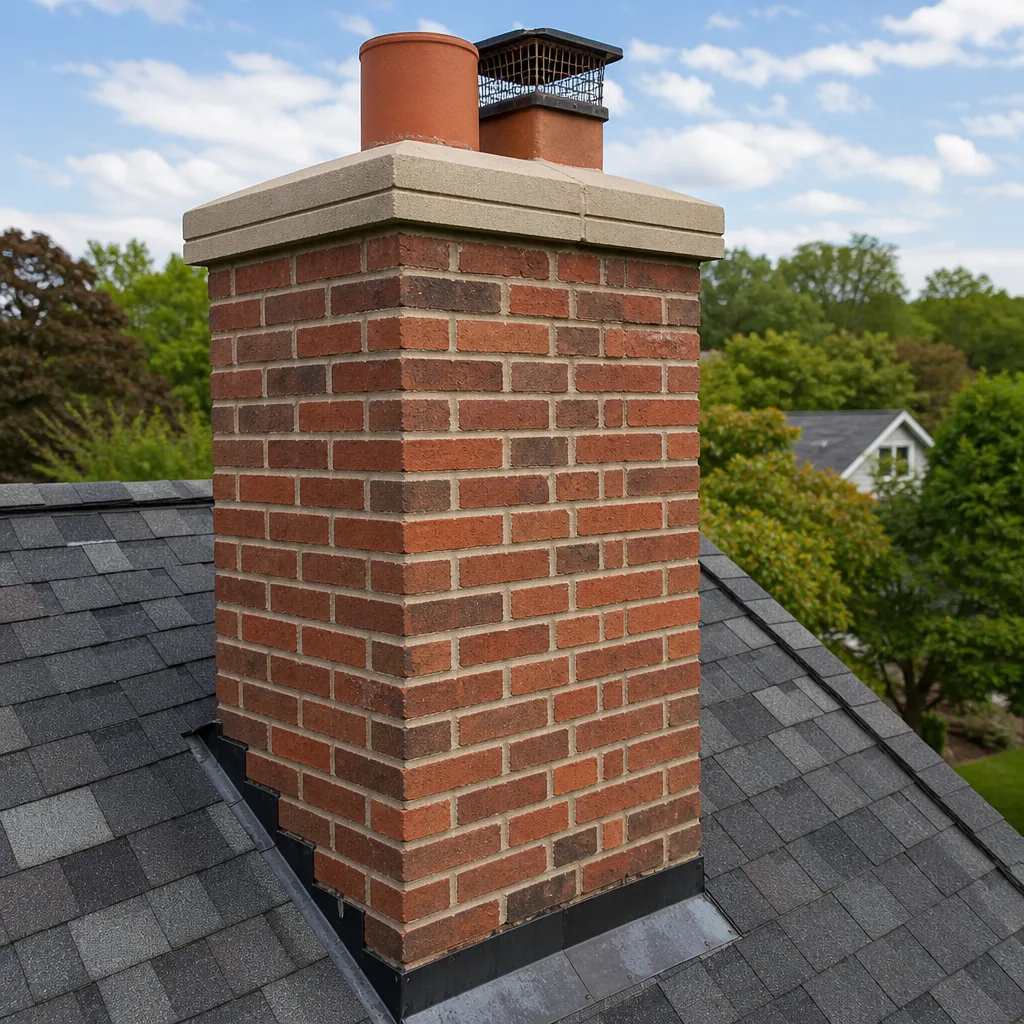
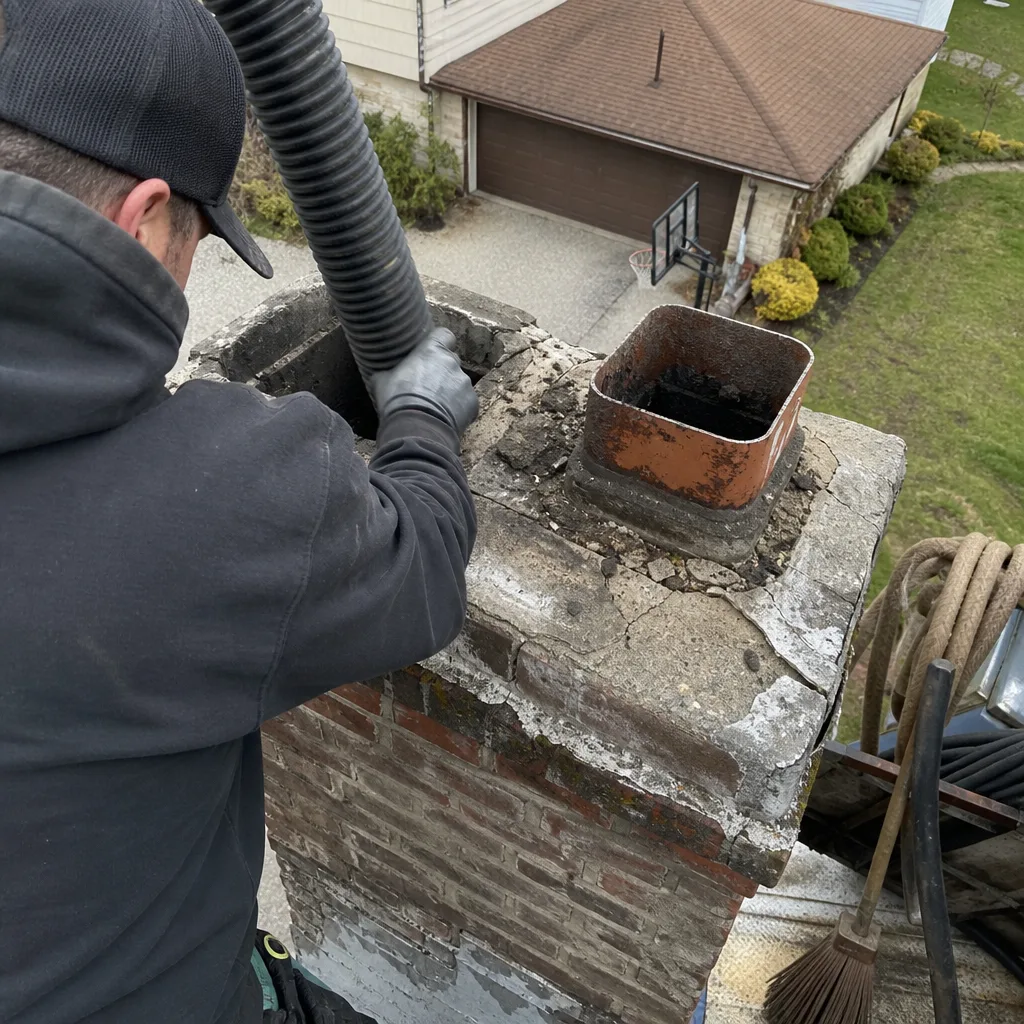 Before
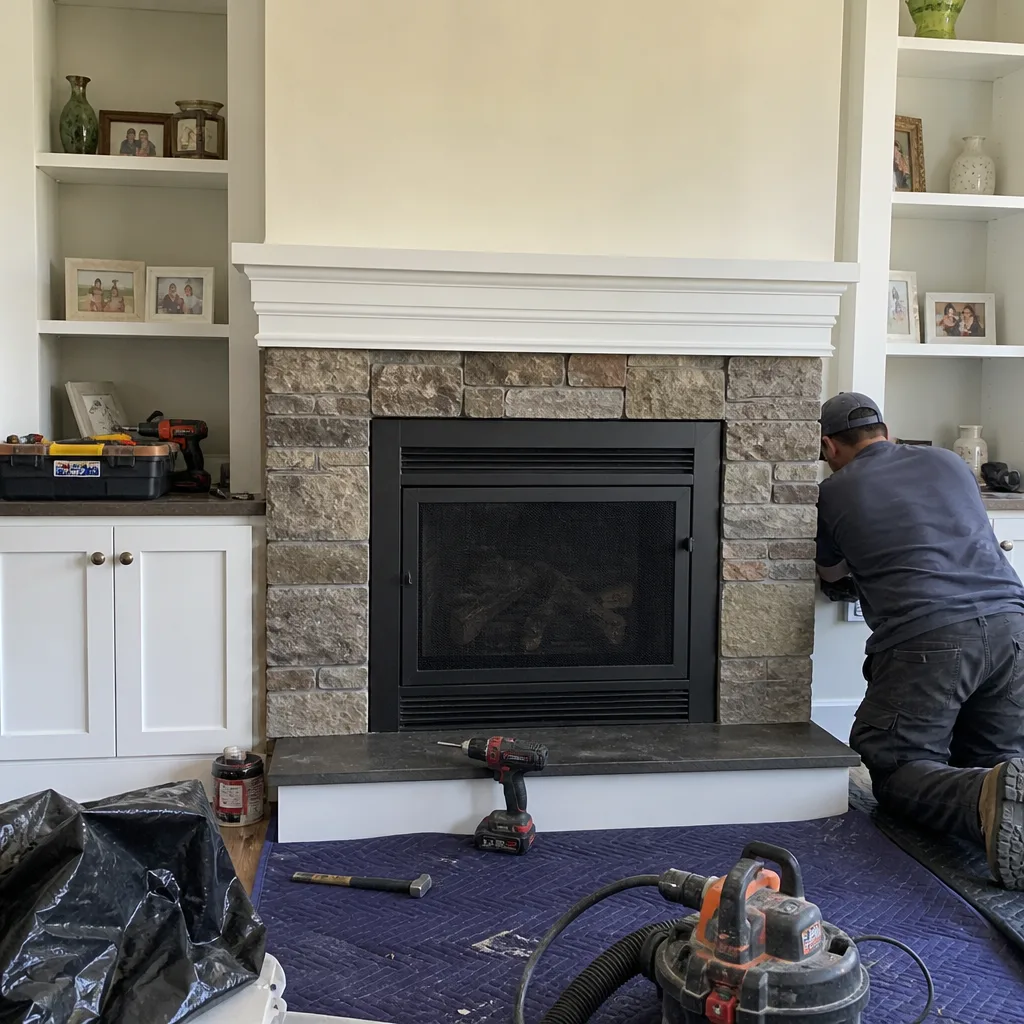 After
After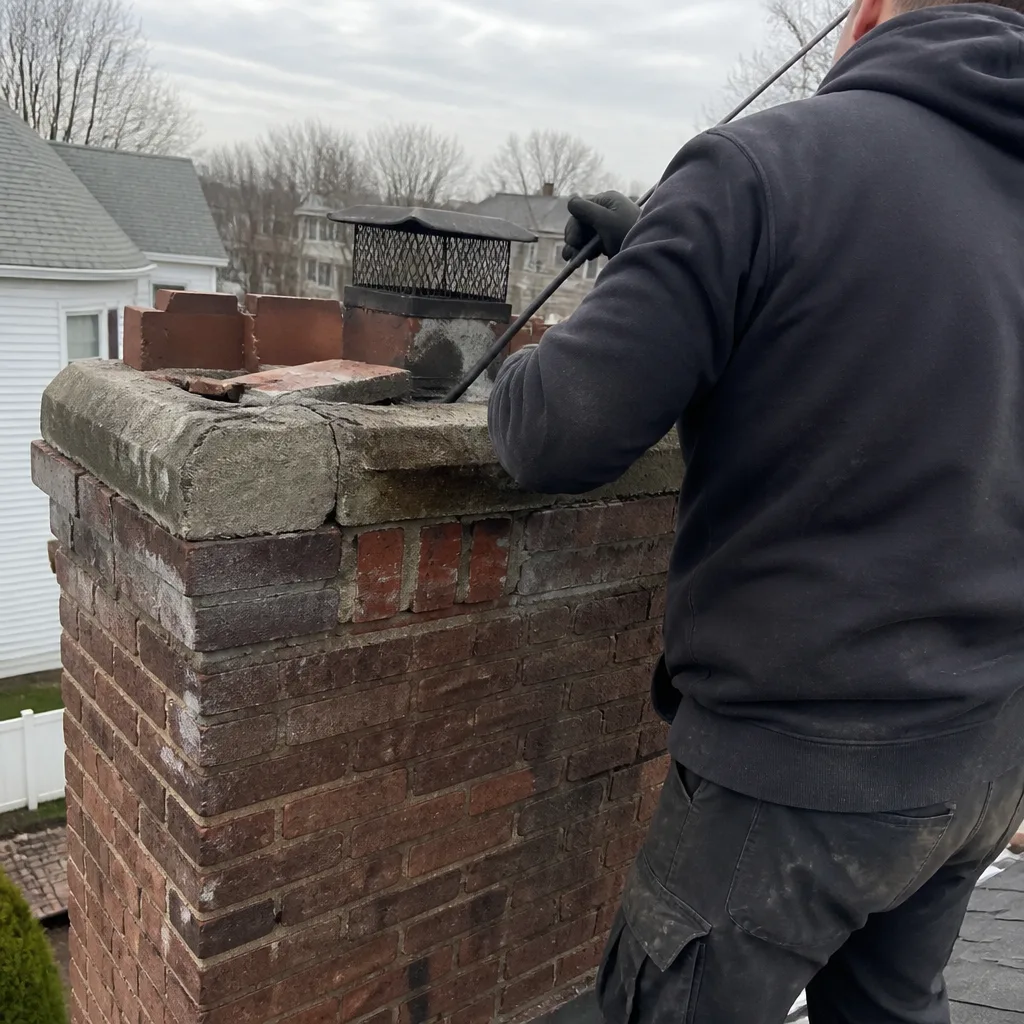 Before
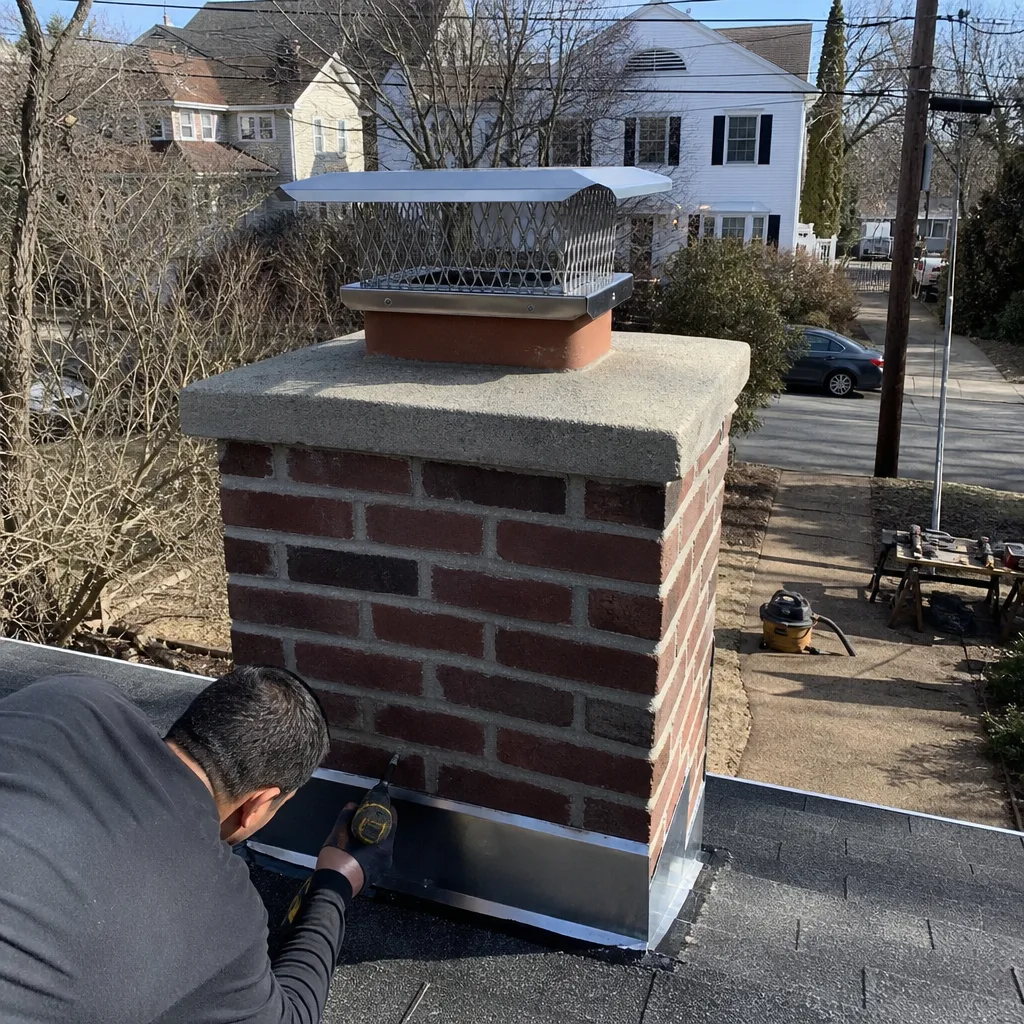 After
After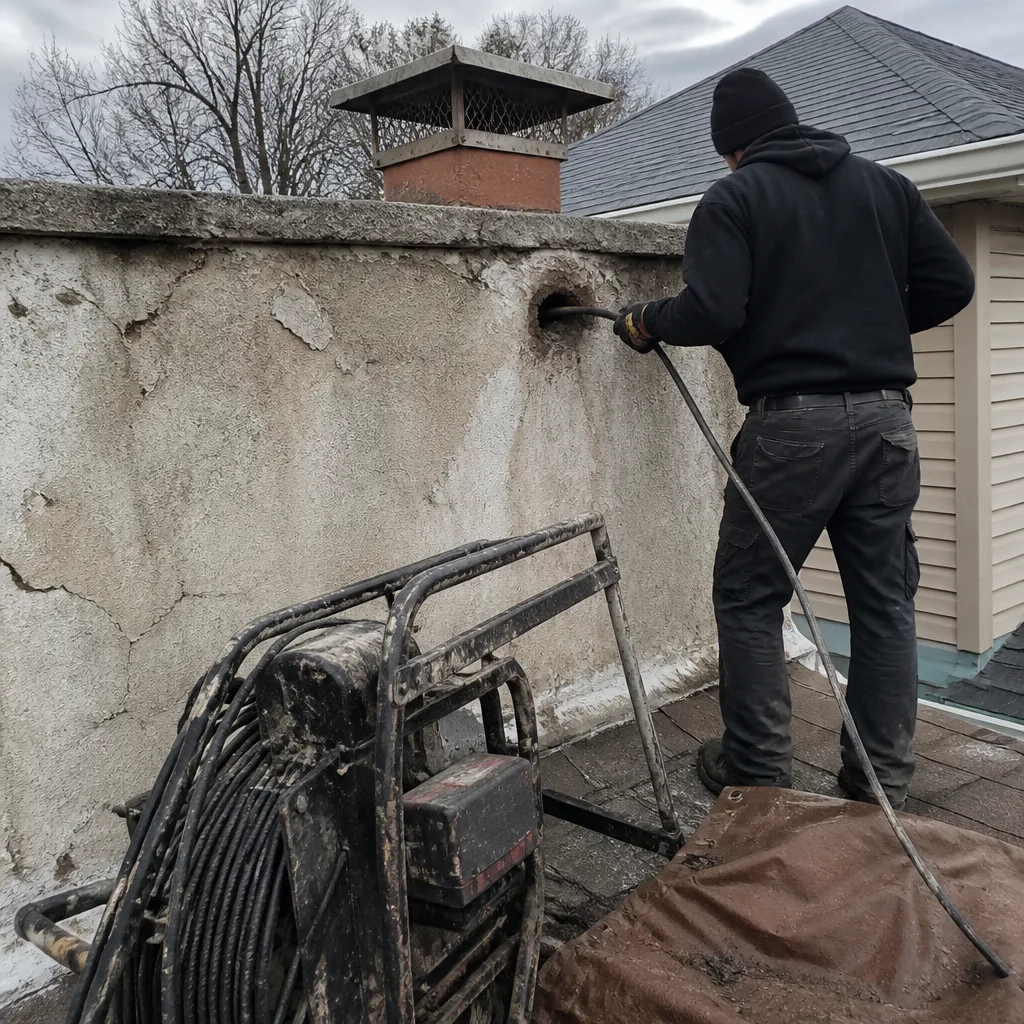 Before
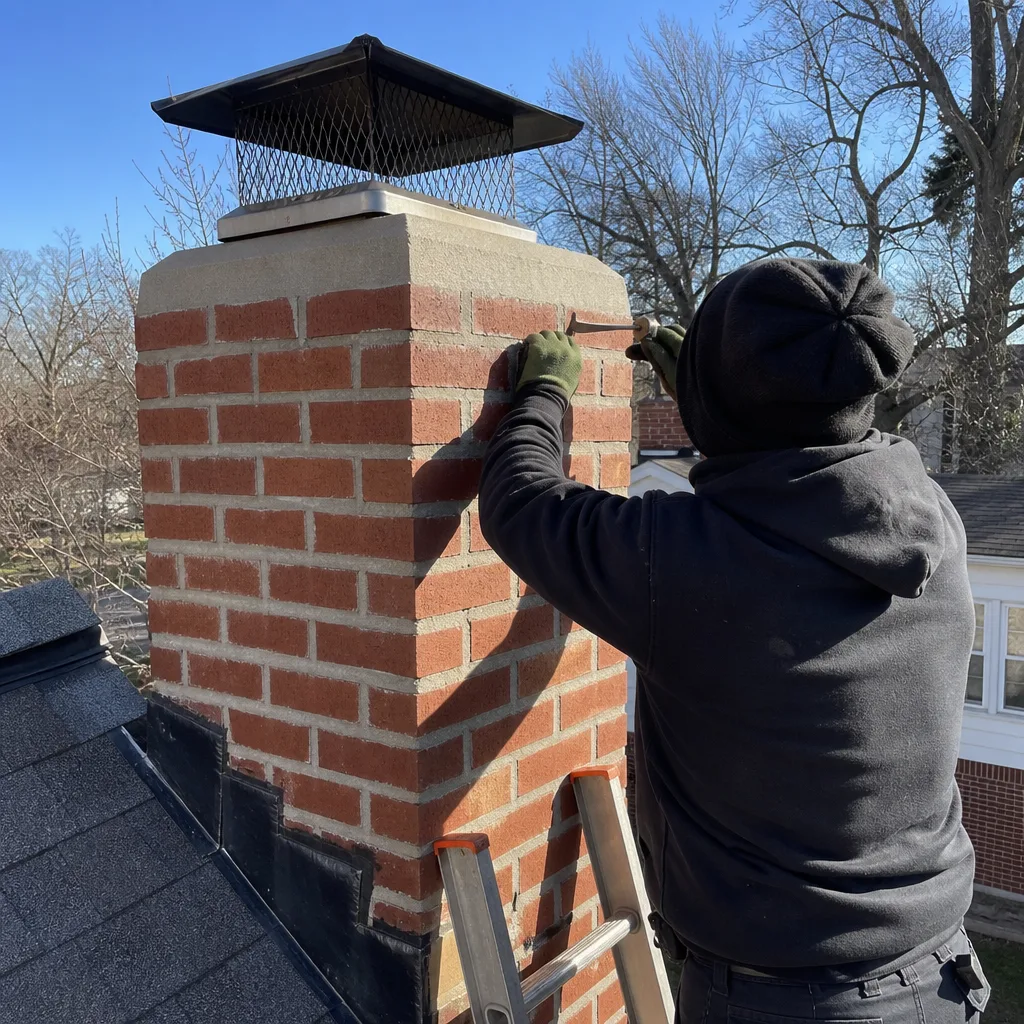 After
AfterCreosote Removal in Clifton, NJ
Creosote removal in Clifton, NJ typically runs between $195 and $595, depending on how far the buildup has progressed and which class of creosote we’re dealing with. Most appointments are completed in a single visit, and every job starts with a written price before any work begins. If you’d like to schedule or just want a straight answer about what’s on your flue wall, call us at (551) 282-9640 – a live person picks up every time, around the clock.
Level Two Chimney Clifton has inspected and cleaned more than 38,000 chimneys since 2009 with our Chimney Cleaning & Sweep services. Creosote removal is one of the jobs we do most frequently in Clifton – and one of the jobs most homeowners here don’t realize they need until they see the camera footage. Clifton’s housing stock leans heavily toward postwar colonials and split-levels, many of which still have original masonry fireboxes and clay-tile flue liners that haven’t been scoped since the house changed hands. When we put the camera down those flues, we often find Class II or Class III deposits that a flashlight sweep would have missed entirely.
This page is part of our broader Chimney Cleaning & Sweep in Clifton service. Creosote removal is a distinct step – not a synonym for sweeping. A standard sweep handles light, powdery Class I deposits. When buildup has hardened into a tar-like glaze or a porous, honey-combed crust, different tools, different chemicals, and a more methodical process are required. That’s what this page covers.
When You Need Creosote Removal
Not every dirty chimney has a creosote problem. But several specific signs point to buildup that has moved past what a routine brush will handle:
- You notice a strong, acrid or oily odor from the firebox, especially in summer. In Clifton’s humid July and August heat, Class II and Class III creosote off-gasses into the living space. That smell isn’t cosmetic – it’s the flue telling you the deposits are thick enough to vaporize at room temperature.
- The camera shows a flue wall that looks glazed, shiny, or honey-combed. Class II creosote has a tar-like, sticky consistency. Class III looks like a porous black crust or bubbly foam and is the stage at which chimney fires become a real risk. A Level 2 camera scan is the only reliable way to classify what you have.
- You’ve had restricted airflow or a smoky firebox this season. Heavy creosote narrows the effective diameter of the flue liner, which reduces draft. Clifton homes on ridge lines – particularly in the Allwood and Athenia neighborhoods – already deal with wind-driven draft issues. Add a partially blocked flue and the smoke comes back into the room.
- It’s been more than two burning seasons since the last sweep. The home heating season in northern New Jersey is long. Clifton averages roughly 5,200 heating degree days per year. That’s a lot of combustion cycles, and creosote compounds with each one.
- You burn softwood, or you burn fires that smolder rather than burn hot. Low-temperature fires are the single fastest way to build Class II deposits. If your go-to logs are pine or if you load the firebox and dampen it down overnight, the chemistry of creosote formation accelerates significantly.
- A previous inspection flagged creosote but didn’t document what was done about it. We see this regularly – a handwritten receipt that says “swept” with no photo record attached. Under Haven Standard Clause 4, every Level Two visit produces a documented photo record. If you don’t have one from your last service, you don’t actually know what condition the flue is in.
Our Creosote Removal Process
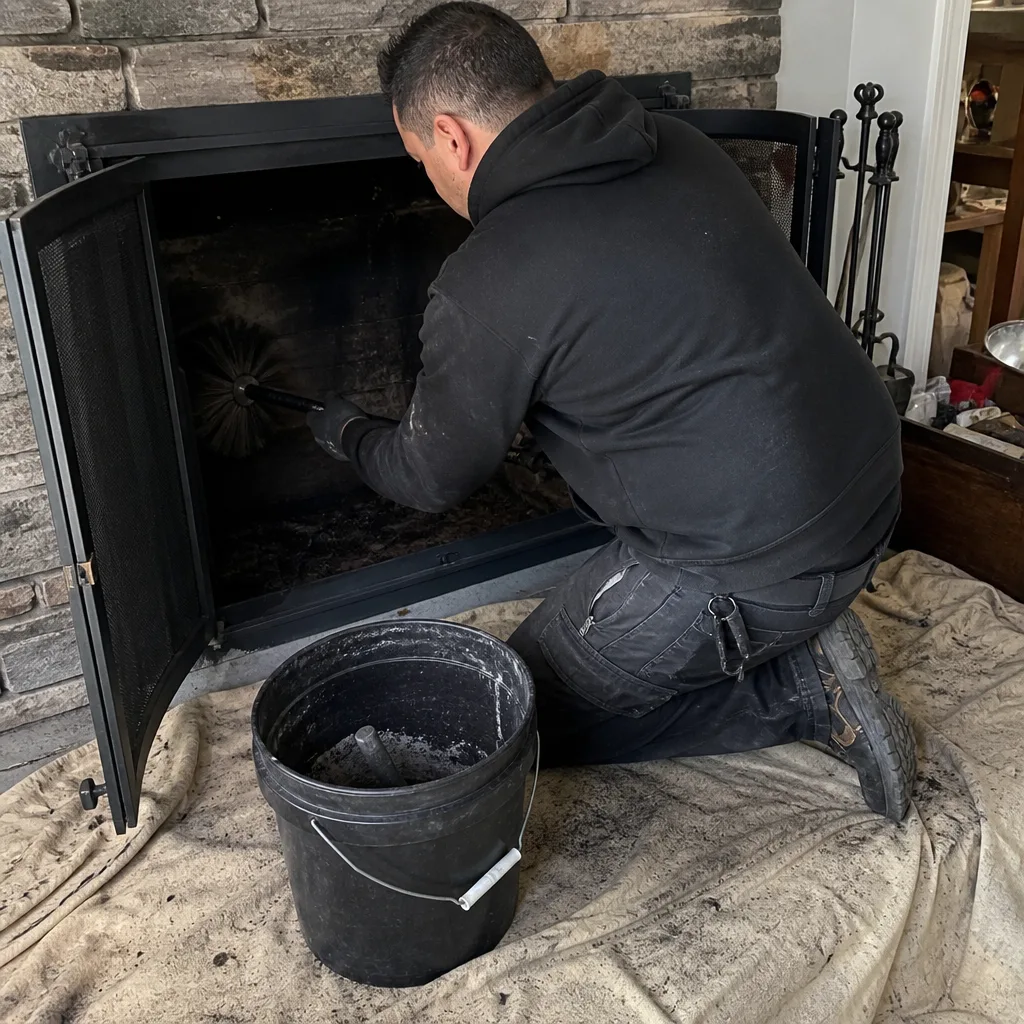
The steps below are what actually happens on a Level 2 Inspection creosote removal visit in Clifton. The process doesn’t vary based on the technician’s preference – it follows a documented protocol under the Haven Standard, which is why the results are consistent and the photo record matches the written scope every time.
- Written scope and price, delivered before work starts. Haven Standard Clause 1 – H.A.V.E.N. “Have it in writing” – means you see the dollar amount, the scope of work, and the warranty in writing before the technician picks up a single tool. There is no “we’ll know more once we’re up there” ambiguity. If the camera reveals something beyond what the initial scope covers, we stop, explain what we found, revise the written price, and wait for your approval.
- Level 2 camera scan to classify the deposit. We run a video camera down the full length of the flue liner before touching anything. This tells us the creosote class, the location and concentration of the heaviest deposits, and the condition of the liner itself – cracks, spalling tile, mortar joint deterioration – so we’re treating what’s actually there, not guessing. The footage is part of the documented record you receive when the job is done.
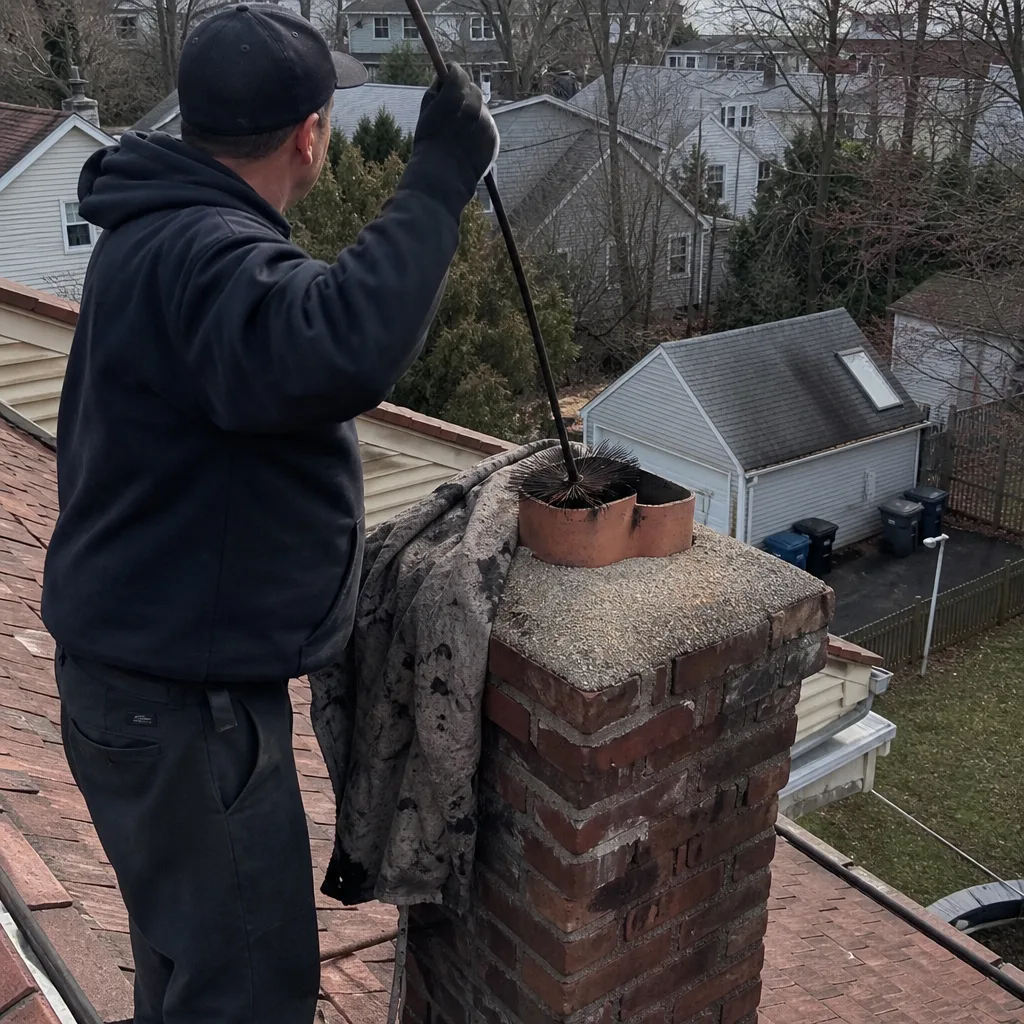
- Mechanical brushing with professional-grade rotary equipment. Class I and light Class II deposits come off with rotary brush systems. We use equipment sourced through Haven’s buying network – including brushes and rods from Copperfield – that are sized to your specific flue dimensions. Drop cloths and HEPA vacuum containment go in before the first brush stroke. Clifton is a densely built city and many of the homes we work in are occupied during the day; containment isn’t optional.
- Chemical treatment for Class II and Class III creosote. Glazed and honey-combed deposits don’t respond to brushes alone. We apply a professional-grade creosote modifier – a chemical compound that alters the molecular structure of the glaze, making it brittle and removable. Depending on the severity, this may require a treatment visit followed by a return mechanical sweep after the compound has had time to work. We tell you that upfront, in the written scope, before we start.
- Post-removal camera verification. After mechanical removal and any chemical treatment, the camera goes back down. We confirm that the deposit is gone, that the liner is intact, and that the flue is clear from firebox to cap. If something looks different after cleaning than it did before – a crack that was hidden under the buildup, for example – we document it and explain what it means before leaving.
- Written documentation and 365-Day Done Right Promise. You receive the before-and-after photo record, the written scope, and confirmation of the 365-Day Done Right Promise before the technician leaves. If the removal wasn’t done right, we come back and make it right – no debate, no service call fee.
BeforeAfterCreosote Removal Pricing in Clifton
Creosote removal in Clifton costs between $195 and $595 for most jobs. That range exists because creosote class matters enormously – brushing out a lightly soiled flue and chemically treating a glazed Class III system are genuinely different jobs. Here’s how the pricing breaks down by situation:
| Creosote Class / Situation | Typical Price Range |
|---|---|
| Class I (light, powdery – standard sweep) | $195 – $280 |
| Class II (tar-like glaze, moderate buildup) | $280 – $420 |
| Class III (porous crust, heavy glazing) – single treatment | $395 – $595 |
| Class III with chemical treatment + return mechanical sweep | $495 – $750+ |
| Level 2 camera scan (included on every visit) | Included – not billed separately |
What affects where your job lands in that range:
- Flue height and geometry. Many of the older two-story colonials in Clifton’s Richfield and Botany Village sections have flues that run 25 to 30 feet. More linear footage means more time and more chemical treatment if needed.
- Number of burning appliances on the flue. A single fireplace is straightforward. A fireplace with a stove insert, or a flue shared with a furnace connection, adds complexity.
- How long since the last documented service. A chimney that was cleaned and photo-documented two years ago is easier to quote accurately than one with no paper trail.
- Liner material. Clay tile and stainless steel liners (such as those from DuraFlex) respond differently to both mechanical and chemical treatment. We price accordingly.
Every estimate is in writing before work starts. If you’ve already received a written estimate from another company, bring it to us – we offer a free second opinion on any written quote. Call (551) 282-9640 and we’ll set a time to look at it.
FAQs – Creosote Removal
How much does creosote removal cost in Clifton, NJ?
Creosote removal in Clifton runs $195 to $595 for most residential jobs, with Class III chemical treatment and a return visit reaching $750 or more in severe cases. The Level 2 camera scan is included on every visit at no additional charge – it’s how we determine the creosote class before pricing the work. You receive a written price before anything starts. Call (551) 282-9640 for a same-day estimate if you already have a sense of your last service date.
Is creosote removal the same as a chimney sweep?
No – a standard Fireplace Cleaning sweep handles Class I creosote, the dry, powdery soot that accumulates in a well-maintained fireplace used with seasoned hardwood. Creosote removal specifically addresses Class II (sticky, tar-like glaze) and Class III (porous, honey-combed crust) deposits, which require chemical treatment in addition to mechanical brushing. Most companies use the terms interchangeably, which is how Class III buildup gets missed. The camera scan we run at the start of every visit is what separates a real classification from a guess.
Can I remove creosote myself?
Class I deposits – light, powdery soot – can be managed with a quality chimney brush if you’re comfortable working at the roofline and follow proper containment. Class II and Class III creosote are a different situation. Class III in particular involves highly combustible, irregular deposits that can ignite from a single hot fire; improper removal attempts can disturb the deposit in ways that increase ignition risk rather than reduce it. A trained technician with camera access can assess the condition of the liner beneath the buildup – cracks hidden under heavy deposits are common and consequential. We’d recommend leaving Class II and Class III to a professional, and we’d recommend insisting on a camera record when the job is done.
How often does a Clifton home need creosote removal?
The Chimney Safety Institute of America and NFPA 211 both recommend a professional Level 1 Inspection every year, with cleaning as warranted by what the inspection finds. In Clifton specifically, homes with wood-burning fireplaces that see regular use from October through March – which covers most of the borough’s older neighborhoods – typically need at least one cleaning per season. Homes that burn frequently, burn softwood, or have appliances that run at low temperatures may need attention mid-season. The only way to know for certain is a camera scan, not a flashlight visual or a guess based on how many fires you’ve had.
Key Takeaways
- Creosote removal in Clifton costs $195 to $595 for most jobs; Class III treatment with a return visit can reach $750 or more.
- Level Two Chimney Clifton runs a camera scan before and after every removal – the footage is part of the documented record you receive.
- Every job is quoted in writing before work starts; the 365-Day Done Right Promise is stamped on every scope.
- Class II and Class III creosote require chemical treatment in addition to brushing. A sweep that skips the camera can’t tell the difference.
- Clifton’s older masonry fireplaces – particularly in Allwood, Athenia, Richfield, and Botany Village – frequently have undocumented flue conditions. The camera is the only reliable diagnostic.
- Free second opinion available on any written estimate from another company.
Schedule Creosote Removal in Clifton
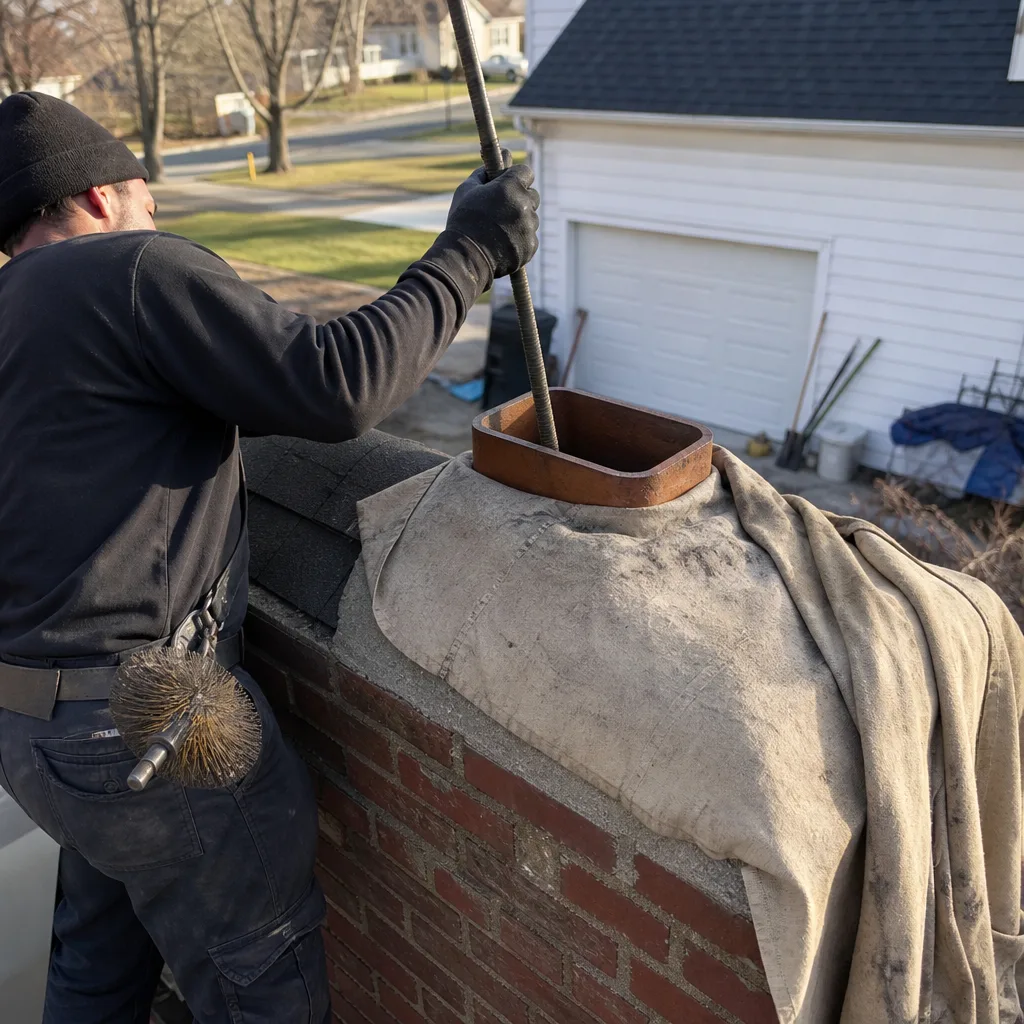
If you’re in Clifton and the last time your chimney was scoped with a camera was never – or you have a written receipt that just says “swept” with no photo record attached – call (551) 282-9640. A live person answers 24 hours a day. We’ll put you on the schedule, send you a text when the technician is on the way, and hand you a written price before any work begins. The estimate is free. The camera scan is included. And if the work isn’t done right, the 365-Day Done Right Promise means we come back and make it right.
Level Two Chimney Clifton has been running camera-scan documentation as the default on every visit since 2009 – more than 38,000 documented jobs across northern New Jersey. That’s not a marketing claim; it’s the practice that became Clause 4 of the Haven Standard, and it’s why we can show you exactly what we found and exactly what we did about it.
Written by Corrine Halstead, Owner at Level Two Chimney Clifton, serving Clifton.