
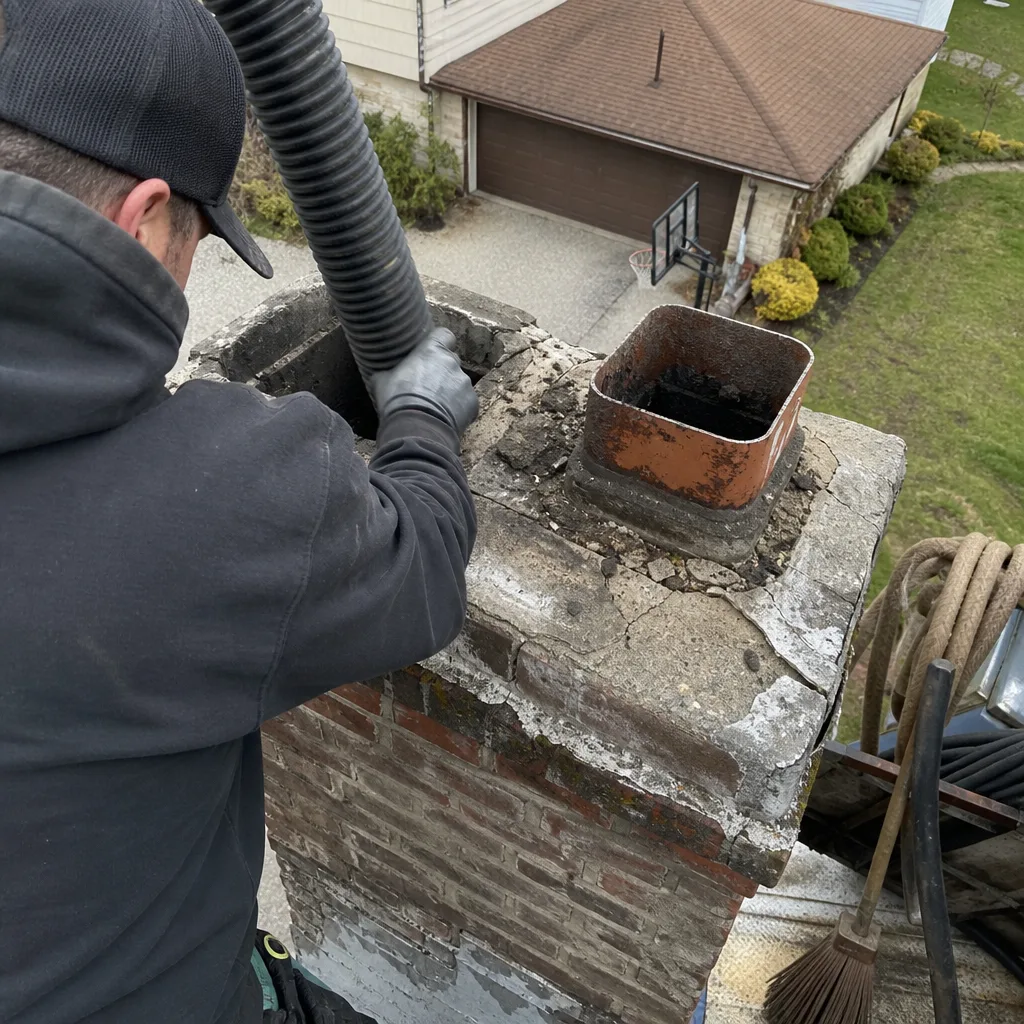
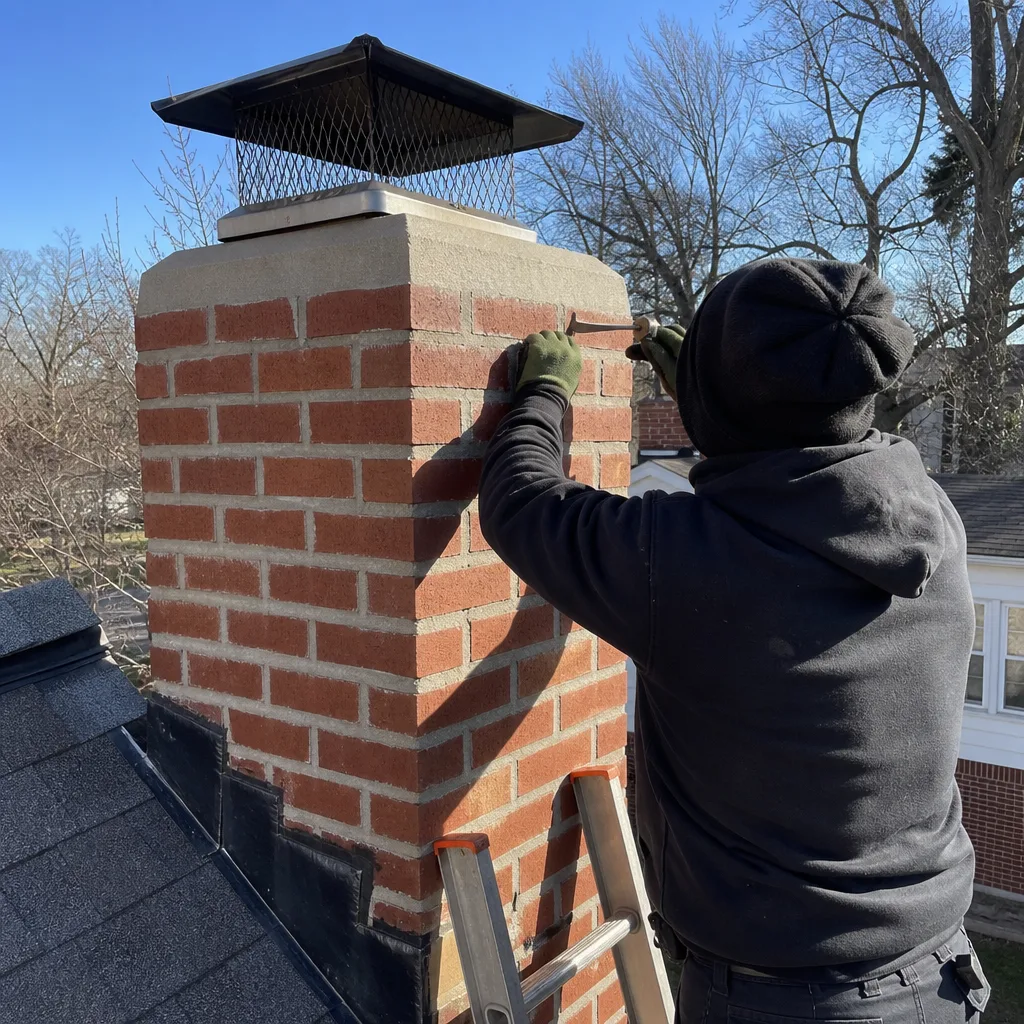
Level 1 sweep and inspection to the NFPA 211 annual standard - flue, crown, cap, and flashing checked and photographed
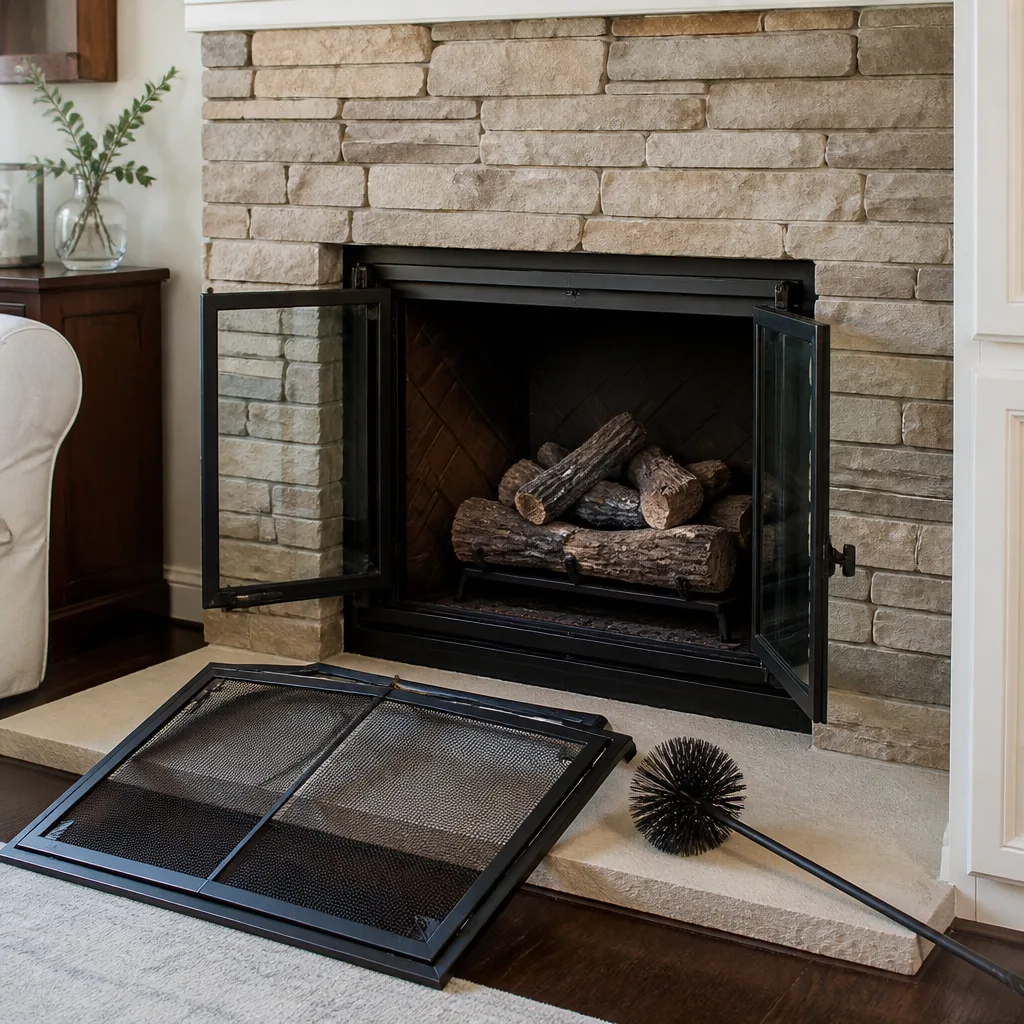
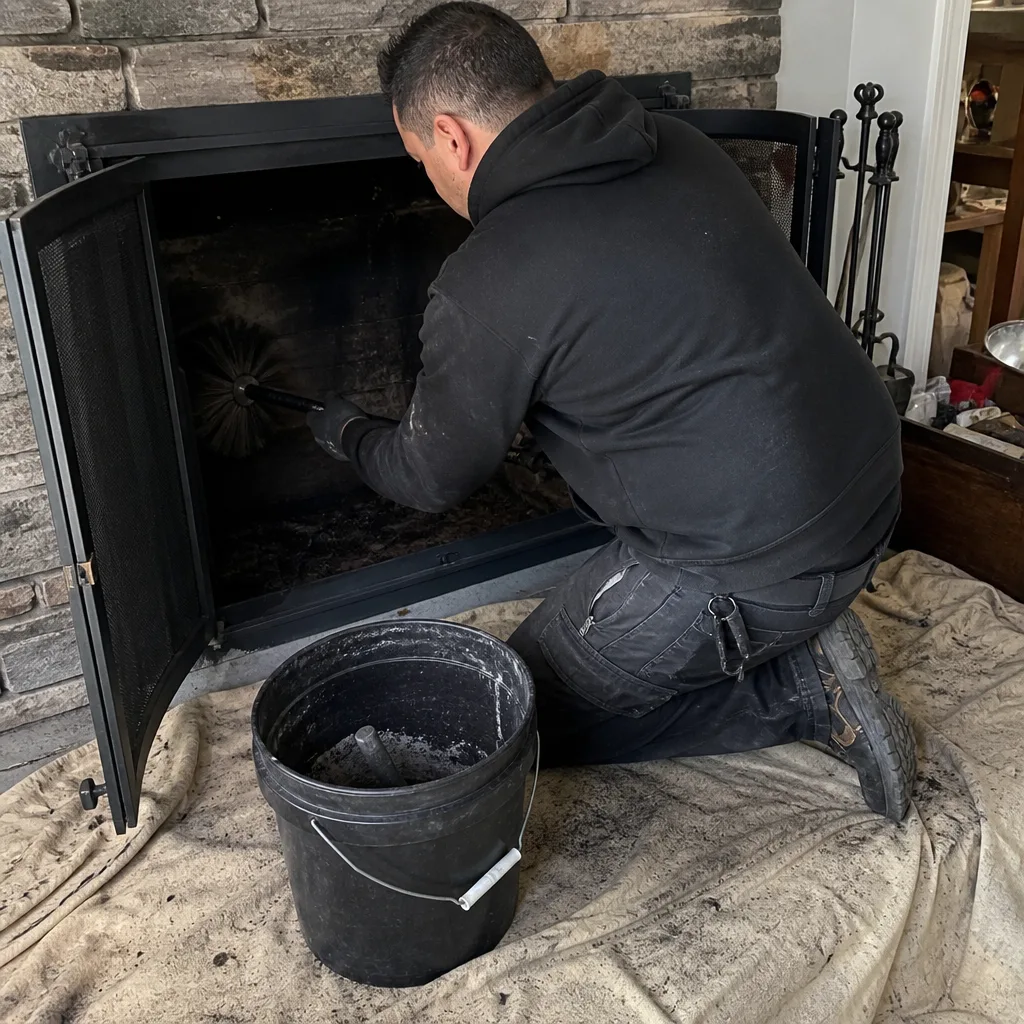
Chimney sweep logs do not sweep chimneys. They loosen some creosote - which then falls where a brush and vacuum still have to collect it.
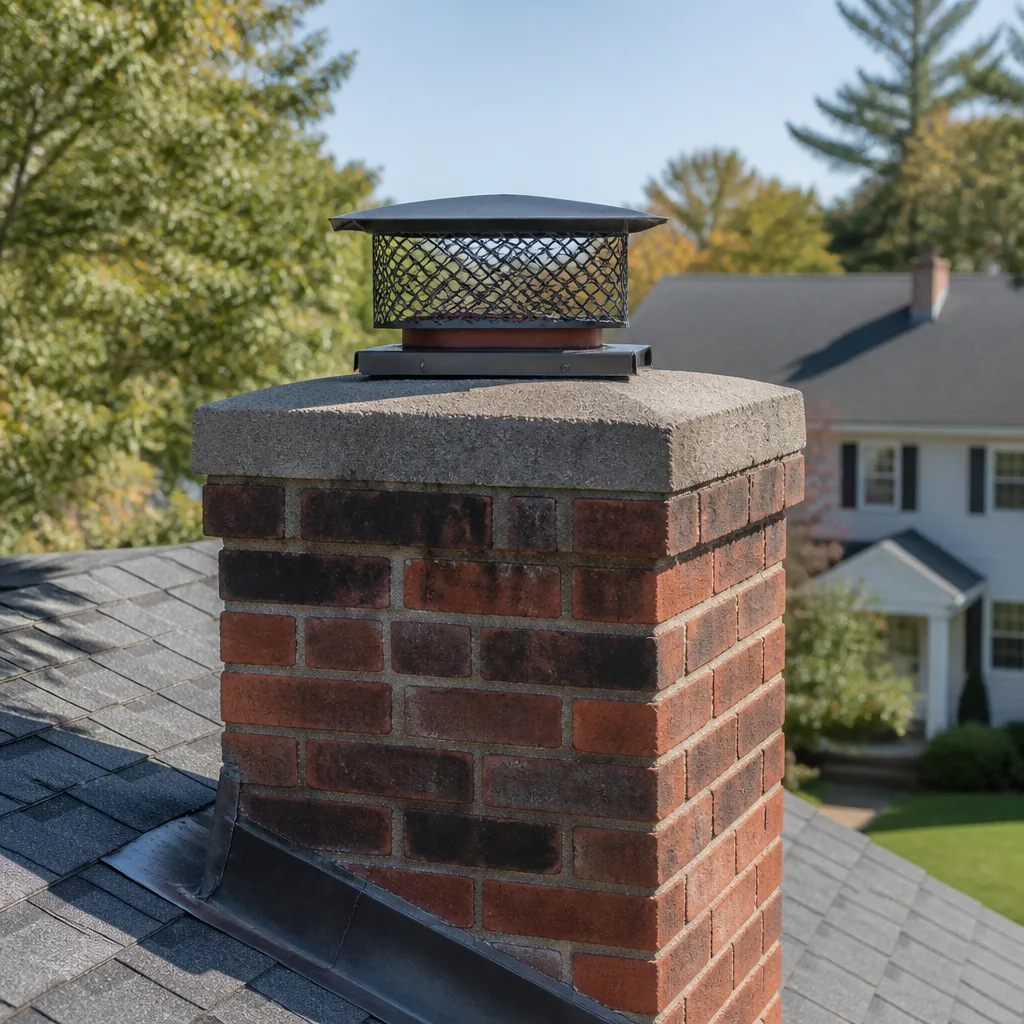
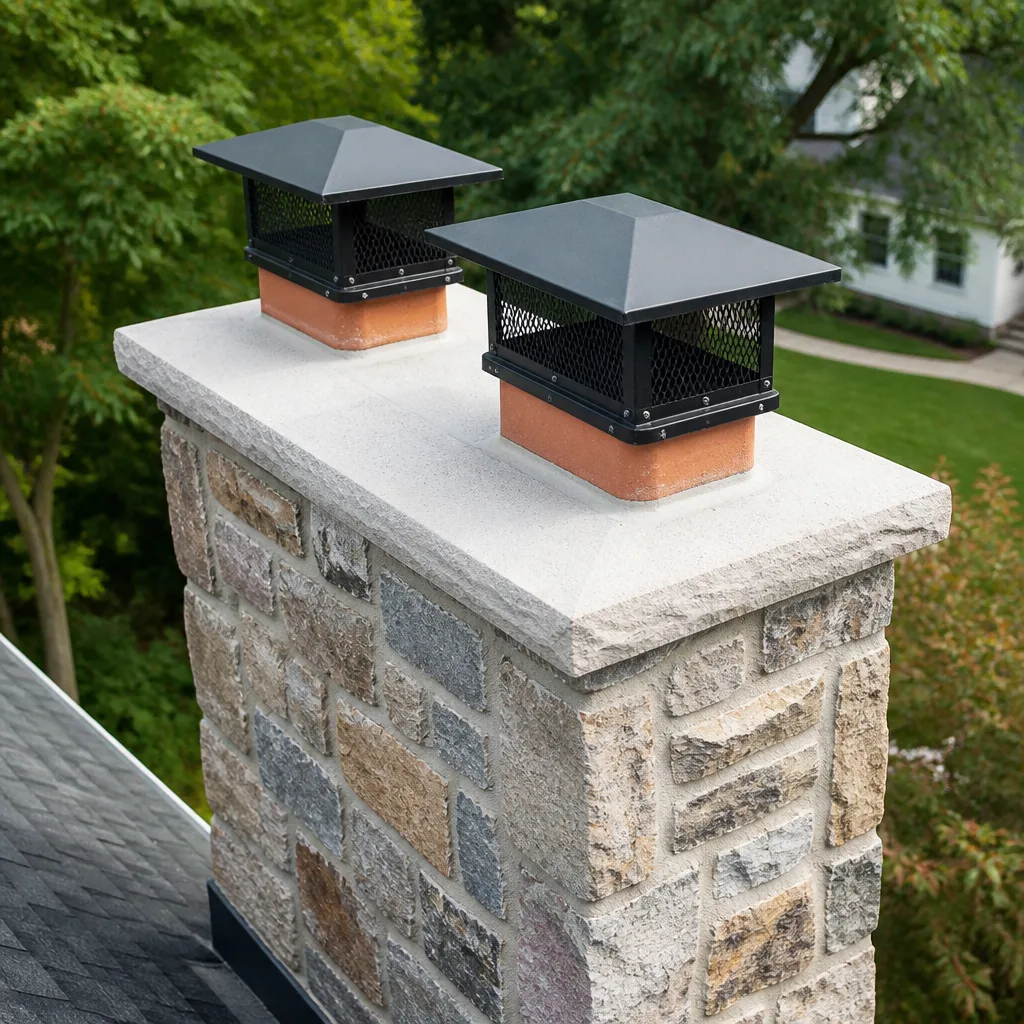
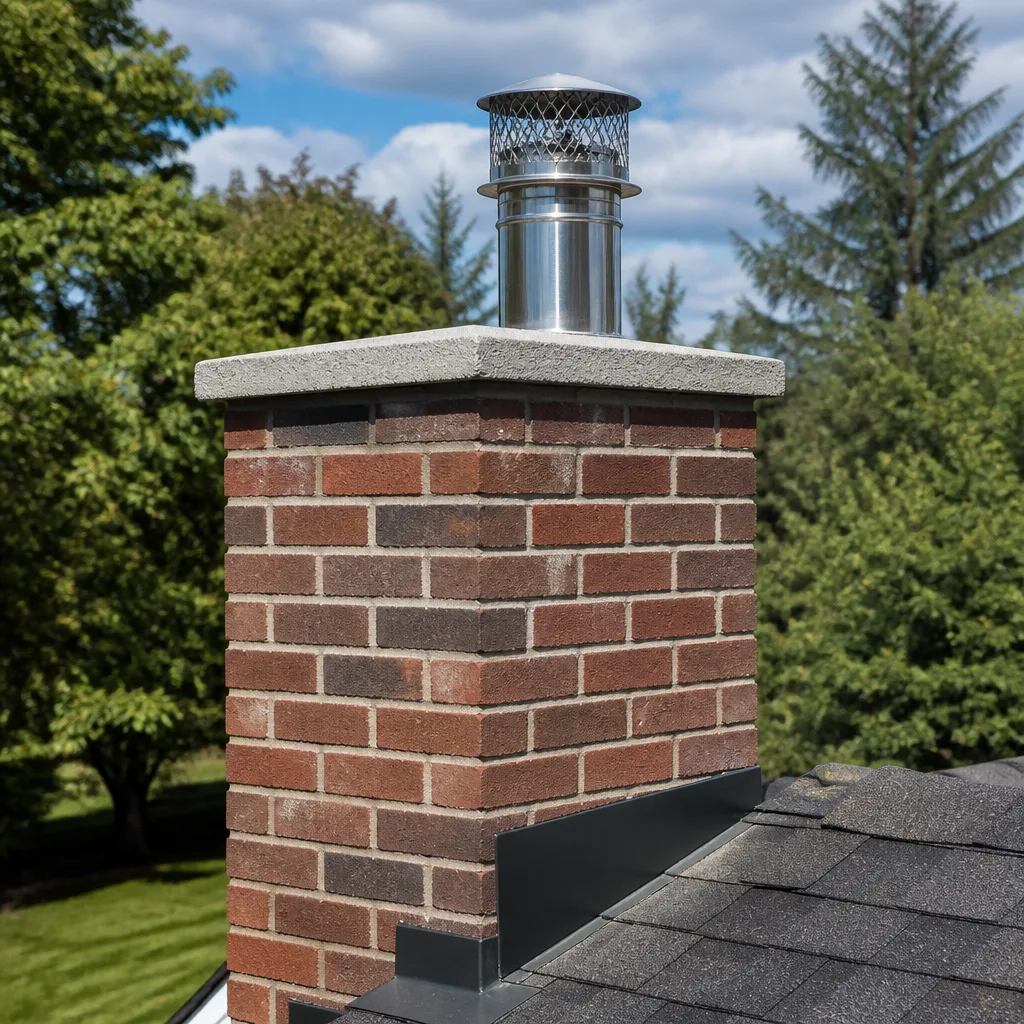
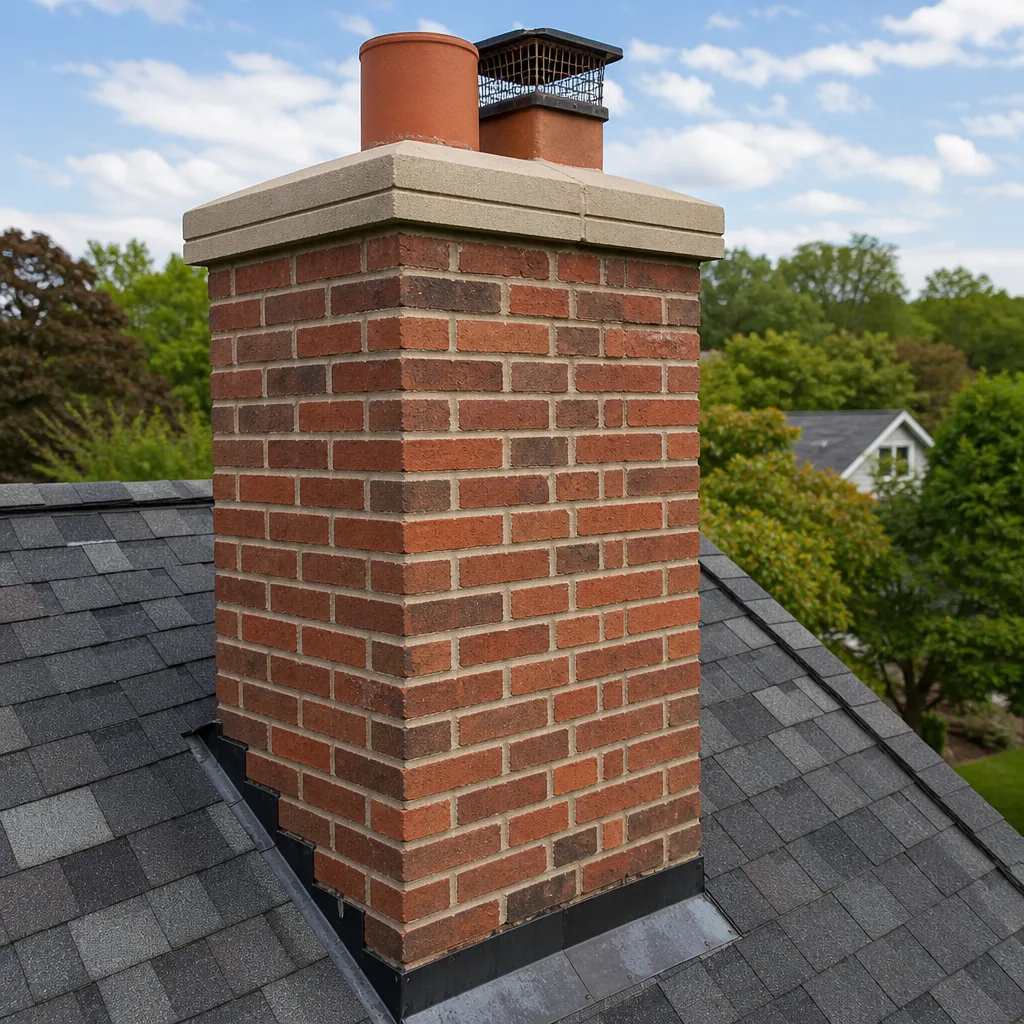
 Before
 After
After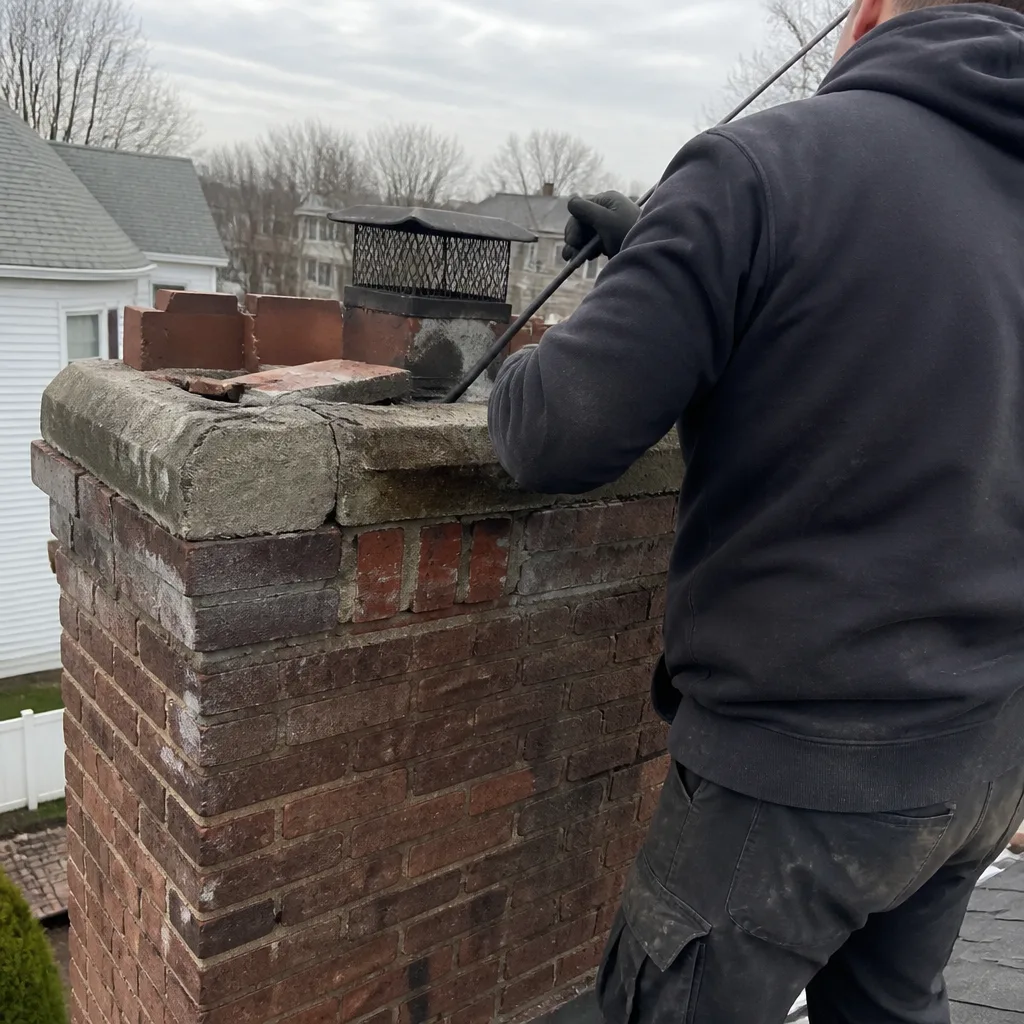 Before
 After
After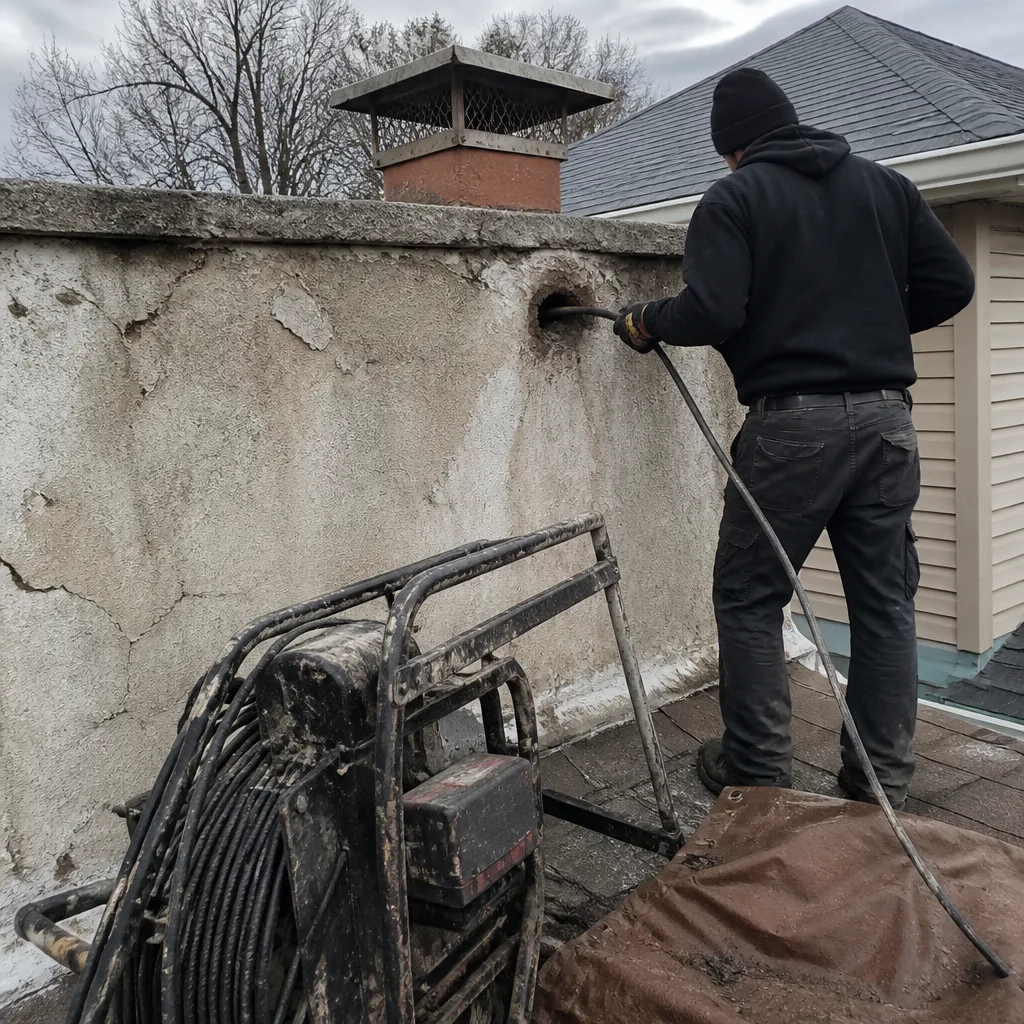 Before
 After
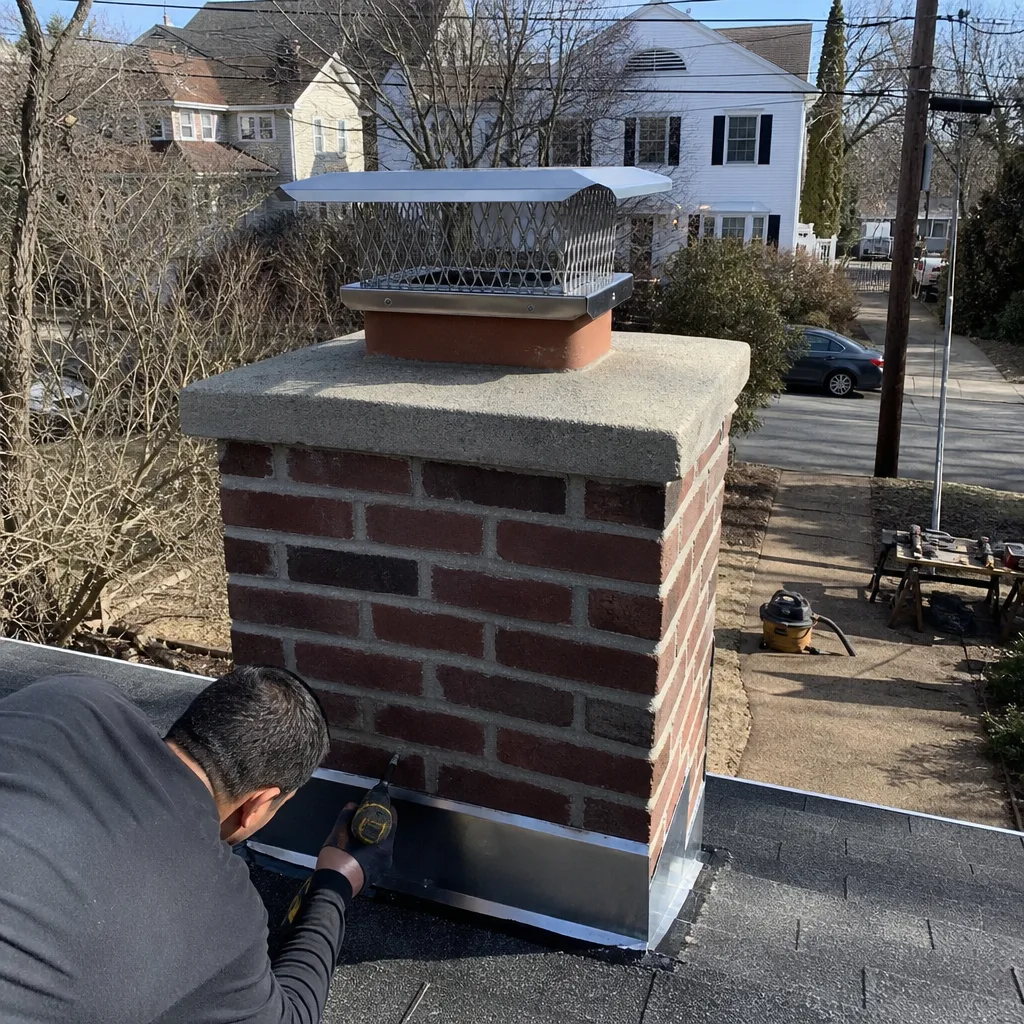
AfterHeatShield Chimney Cap Installation: The Clifton Owner’s Guide
HeatShield chimney cap installation in Clifton typically runs $340 to $680 installed, depending on flue size and whether the mounting flange needs repair. We stock HeatShield-compatible caps on the truck for standard round flues between 6 and 13 inches, so most Clifton installs are done the same day. Most owners discover the cap has failed the way you’d expect in northern New Jersey: after a storm, a rust stain appears down the chimney face, or a cap that survived the winter suddenly rattles in the March wind.
The camera doesn’t guess. Neither do we. When we arrive in Clifton, the first thing we do is document what’s up there: cap condition, flue tile condition, and whether water has already gotten where it shouldn’t. You get photos before anyone touches a bracket.
Which HeatShield Models This Applies To
HeatShield caps are built around the flue liner you’re protecting, not a universal deck mount. The two factors that matter are the inner diameter of your flue tile or liner and whether you have a single-flue or multi-flue chimney. Single-flue caps mount with a pressure-fit base or screws into the tile crown; multi-flue caps sit on a raised frame with legs, and those are the ones most often installed wrong, which lets water pour down the gap between flues and into the firebox.
If your chimney’s cap came as part of a HeatShield restoration package, the mounting collar is often branded or stamped on the underside of the base plate. We pull the old cap, photograph the stamp, and match it before you pay for anything. If it’s not stamped or the stamp has corroded, we measure the flue ID at the crown and the exposed tile above the crown line. We won’t order a cap based on an outside guess.
Signs Your HeatShield Chimney Cap Installation Is Failing
- Rust streaks coming down the crown or brick face. The cap’s galvanized base is corroding through and staining the masonry below. Once the base rusts, the cap no longer seats tight to the crown, and water follows the bolt holes straight down.
- You can hear the cap clattering or humming in the wind. The screen mesh has torn or the attachment bolts have pulled loose from the mortar. A cap that moves in the wind is already allowing rain to enter around the base, even if it looks fine from the ground.
- Water in the firebox after heavy rain. Rain is slipping past the cap’s bond to the crown. This often means the mortar under the cap base is cracked, or the cap was installed with masonry screws that have since worked loose in freeze-thaw cycles.
- Birds or squirrels in the flue. The mesh screen has torn, or the cap top has separated from the base. In Clifton we see this with starling and squirrel entry every spring. The cap’s no longer keeping animals out, and their nesting material is a fire hazard.
- Visible bending or warping after a storm. A sustained 55-plus mph wind on a ridge in Clifton will bend an undermounted or corroded cap. Once the top is bent upward, every rainstorm funnels water directly down the flue.
BeforeAfterReplacement Cost & What’s Included
For a standard HeatShield single-flue cap and install in Clifton, you’re looking at $340 to $680 depending on flue diameter, access (roof pitch and ladder height), and the condition of the crown under the old cap. A multi-flue HeatShield cap on a custom frame runs $650 to $1,200. The price covers the cap, any new stainless steel mounting hardware, and sealing the base to the crown with a proper chimney-grade sealant.
Level Two Chimney Co. is independently owned and operated, not affiliated with HeatShield. That independence is why we can tell you when a cap can be resealed instead of replaced, matched to the same HeatShield spec, without a brand rep pressuring the quote. We also stock DuraFlex and Gelco caps if you’d prefer an equivalent.
DIY or Call Us?
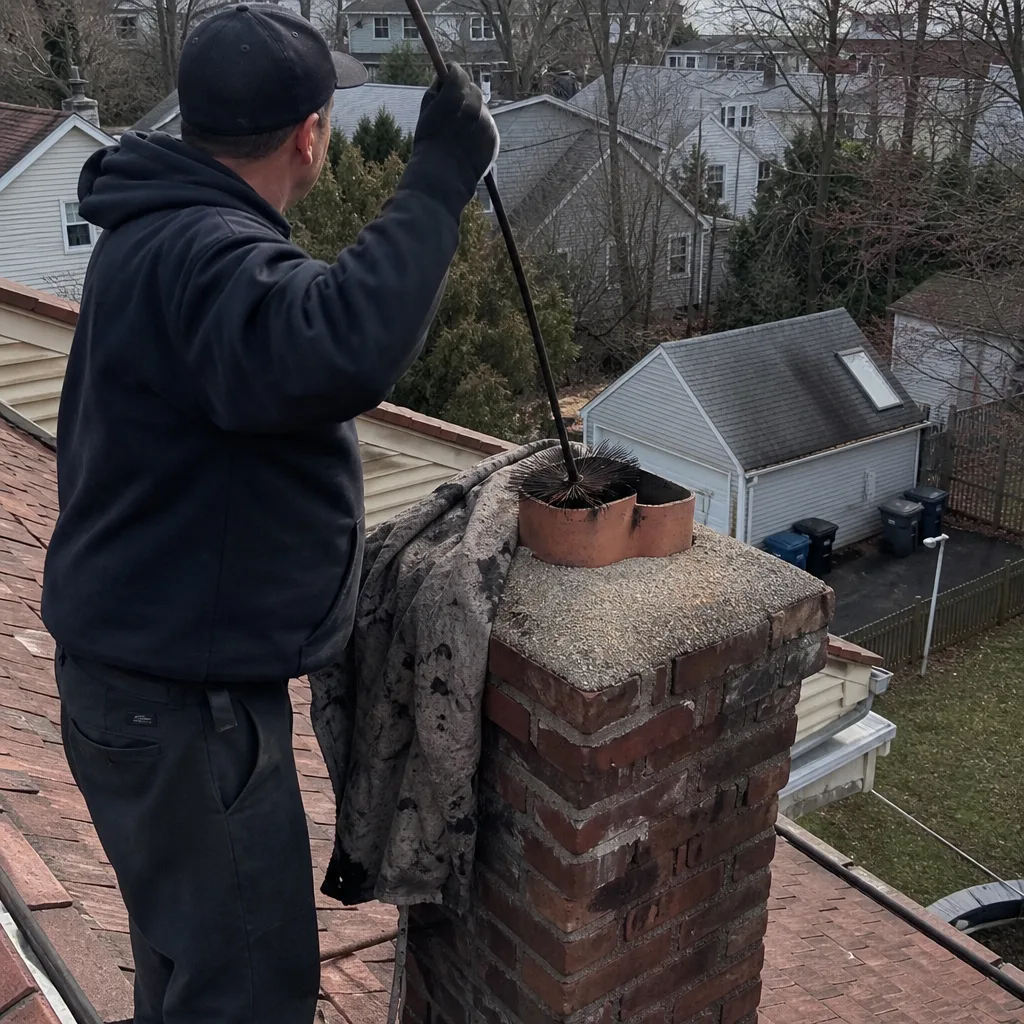
You can’t safely assess a rooftop chimney cap from the ground, and a failed cap is a water entry point, not a paint touch-up. Working on a roof in Clifton means standing on a pitched surface, leaning over a flue, and working with sealants and screws while carrying a metal part. That’s not a ladder-and-a-Saturday job, and it’s not a job to learn on in freeze-thaw season.
What you can do from the ground: look for visible rust, a bent top, or shingle granules accumulating below the crown. But the only way to know if the cap is still bonded to the crown is to get eyes on it. We’ll camera the flue, show you the cap base condition, and give you a written price before we touch anything. Call (551) 282-9640 for an exact quote.
FAQs
A properly installed HeatShield cap lasts 10 to 18 years in Clifton, depending on exposure. Chimneys on open lots or ridge lines see sustained wind and rain that shortens that window by several years, especially if the cap is aluminum rather than stainless steel. The cap base is usually the first part to fail, not the dome or mesh.
Yes, if the base is sound and the mounting bolts still seat tight, we can replace the screen mesh, reseal the base with high-temperature silicone, and send you home for under $200 in most cases. When the base is rusted through or the bolt holes have stripped out of the mortar, the cap is done and patching it just pushes the replacement cost a year down the road. We’ll show you the photos and let you decide.
Most single-flue installs take 45 to 90 minutes, including documenting the old cap, measuring, mounting the new cap, and sealing the base. Multi-flue custom frame installs take two to three hours. We schedule within the week, and you’ll know the exact number before we start. Call (551) 282-9640 for a firm quote.
We stock HeatShield-compatible caps on the truck for single-flue round liners from 6 to 13 inches in stainless steel, plus standard multi-flue frames in two sizes. If your flue is an unusual oval or a custom masonry size, we’ll measure, order the exact cap, and return within five business days. We also stock DuraFlex and Gelco caps for equivalent replacements.
Water gets into your flue, then into the mortar joints, then into the firebox. In a Clifton winter, the freeze-thaw cycle cracks those wet joints and you’re looking at repointing or crown repair within a year. A chimney fire from animal nesting or creosote buildup is a real but preventable second risk. None of it gets cheaper by waiting.
Written by Corrine Halstead, Owner, Level Two Chimney Clifton at Level Two Chimney Clifton, serving Clifton and nearby areas.