
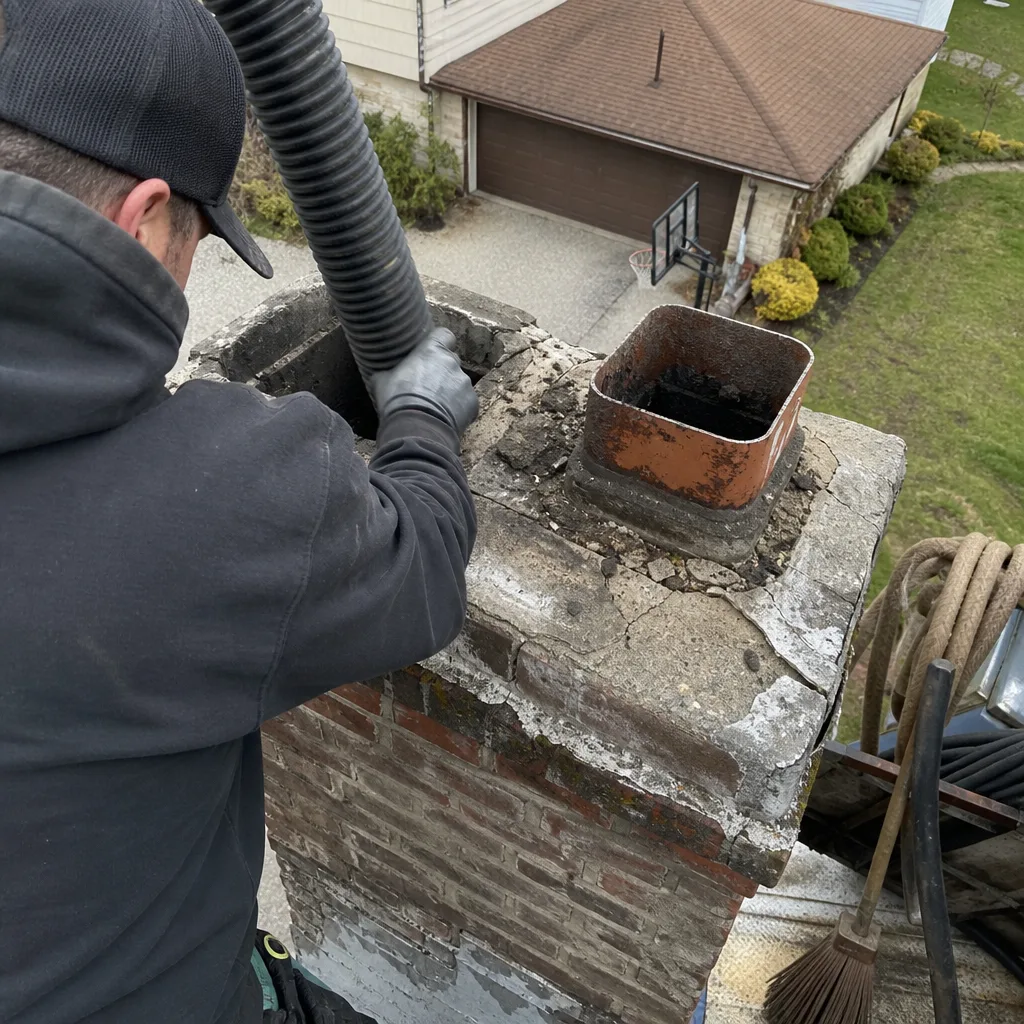
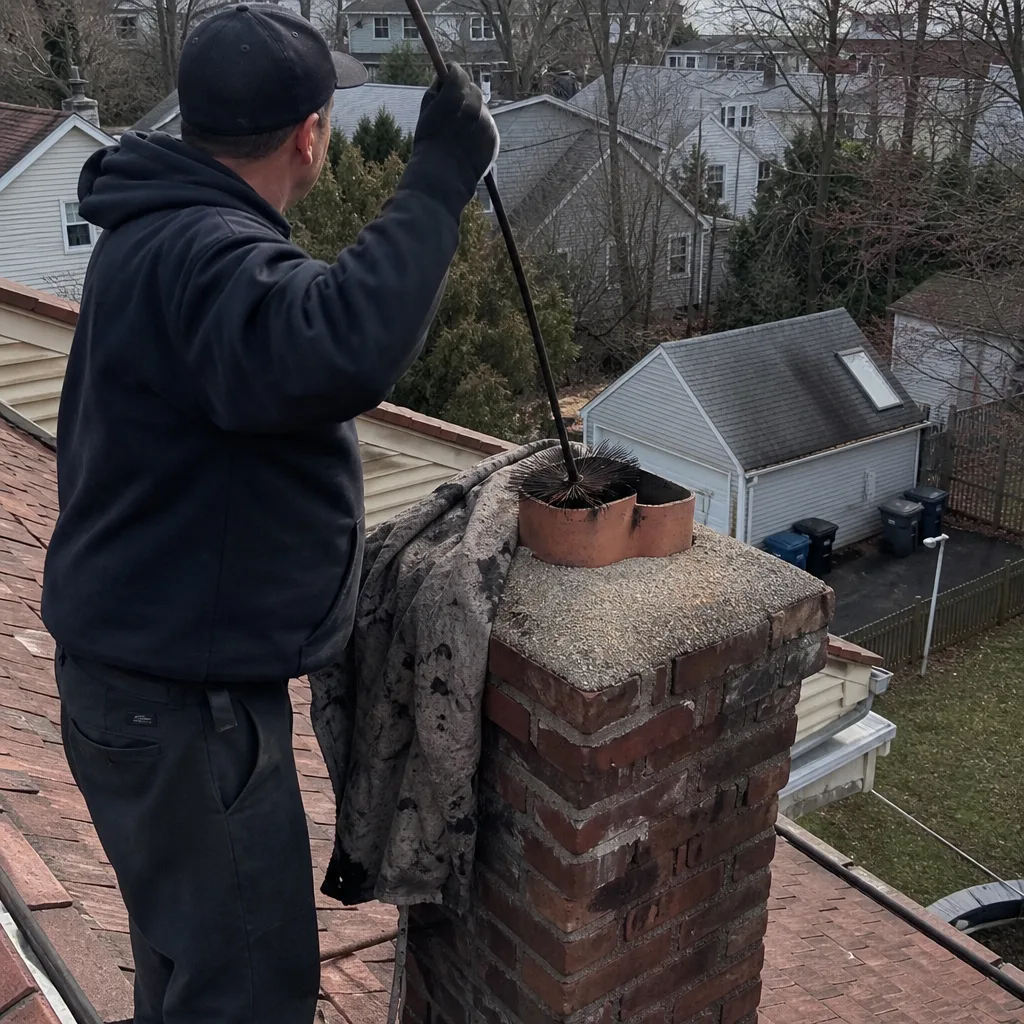
Level 1 sweep and inspection to the NFPA 211 annual standard - flue, crown, cap, and flashing checked and photographed
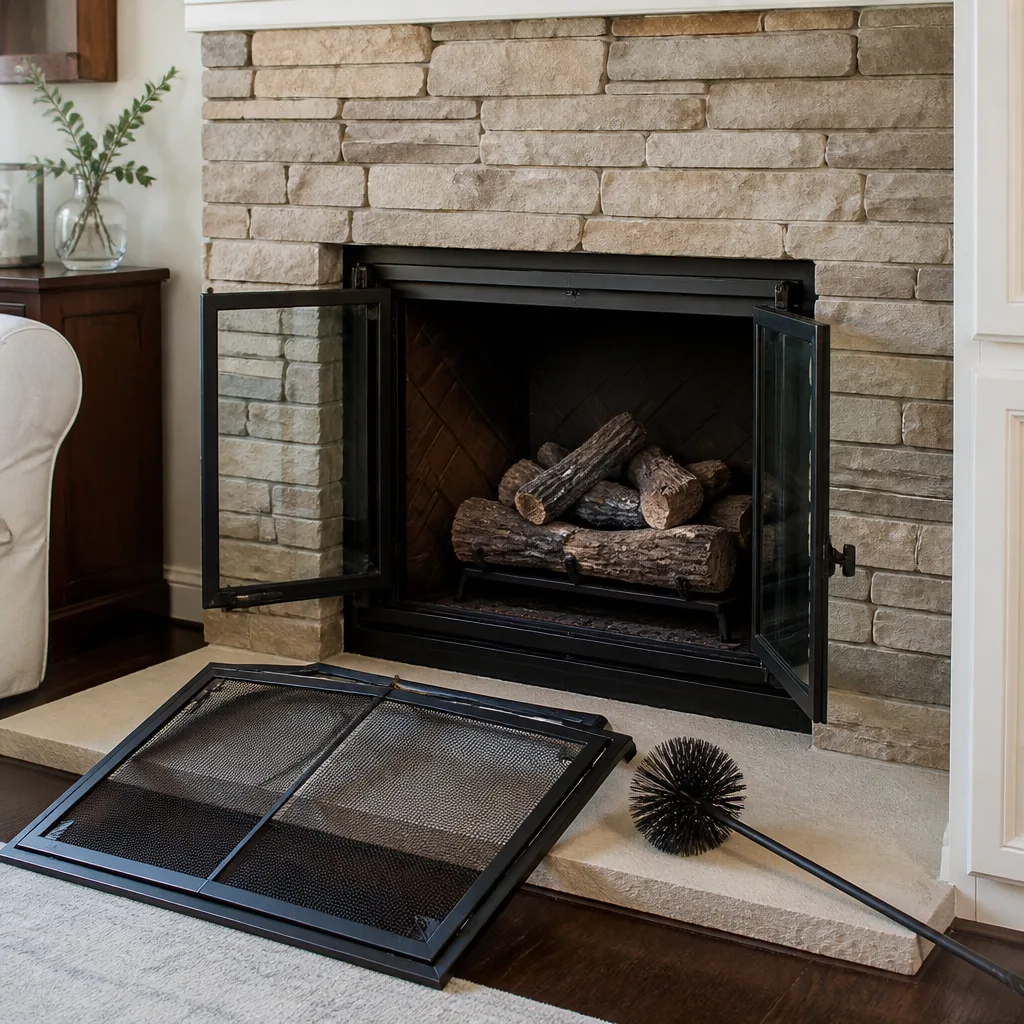
Chimney sweep logs do not sweep chimneys. They loosen some creosote - which then falls where a brush and vacuum still have to collect it.
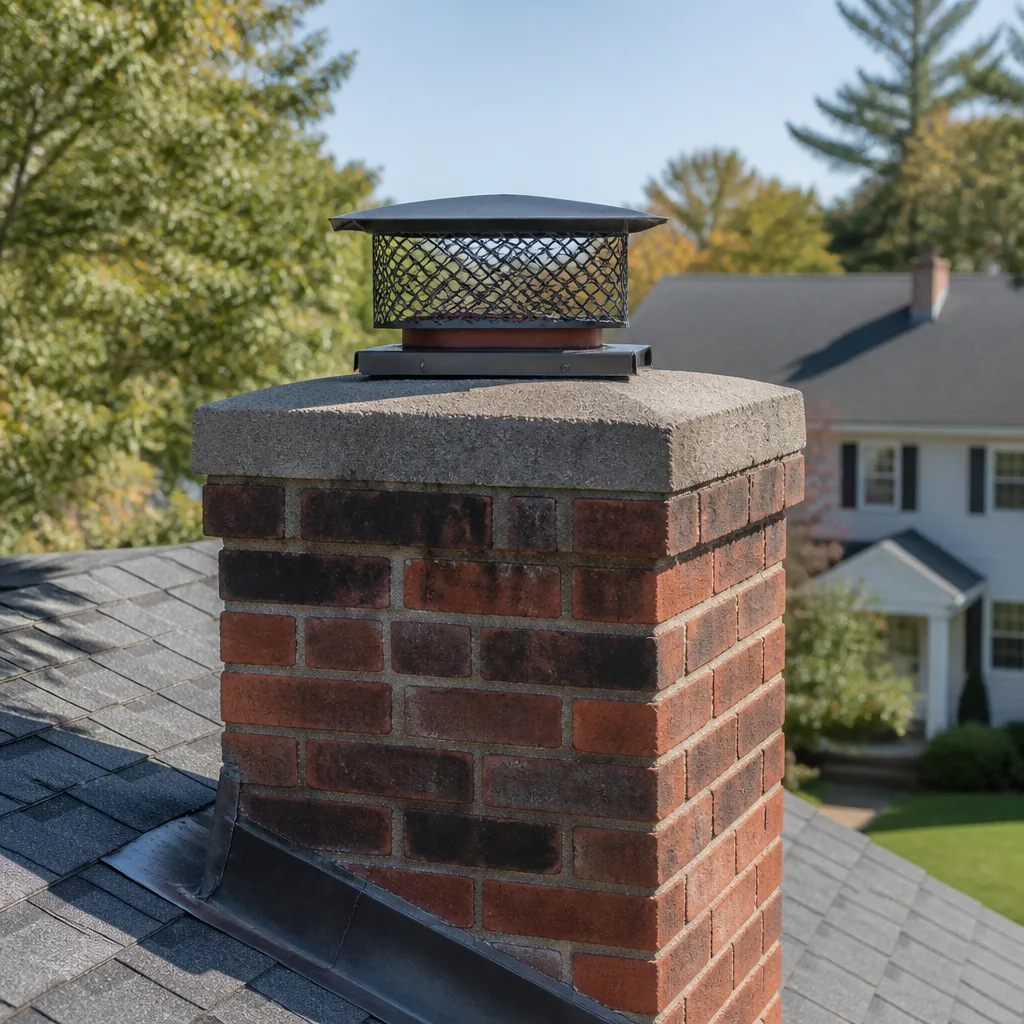
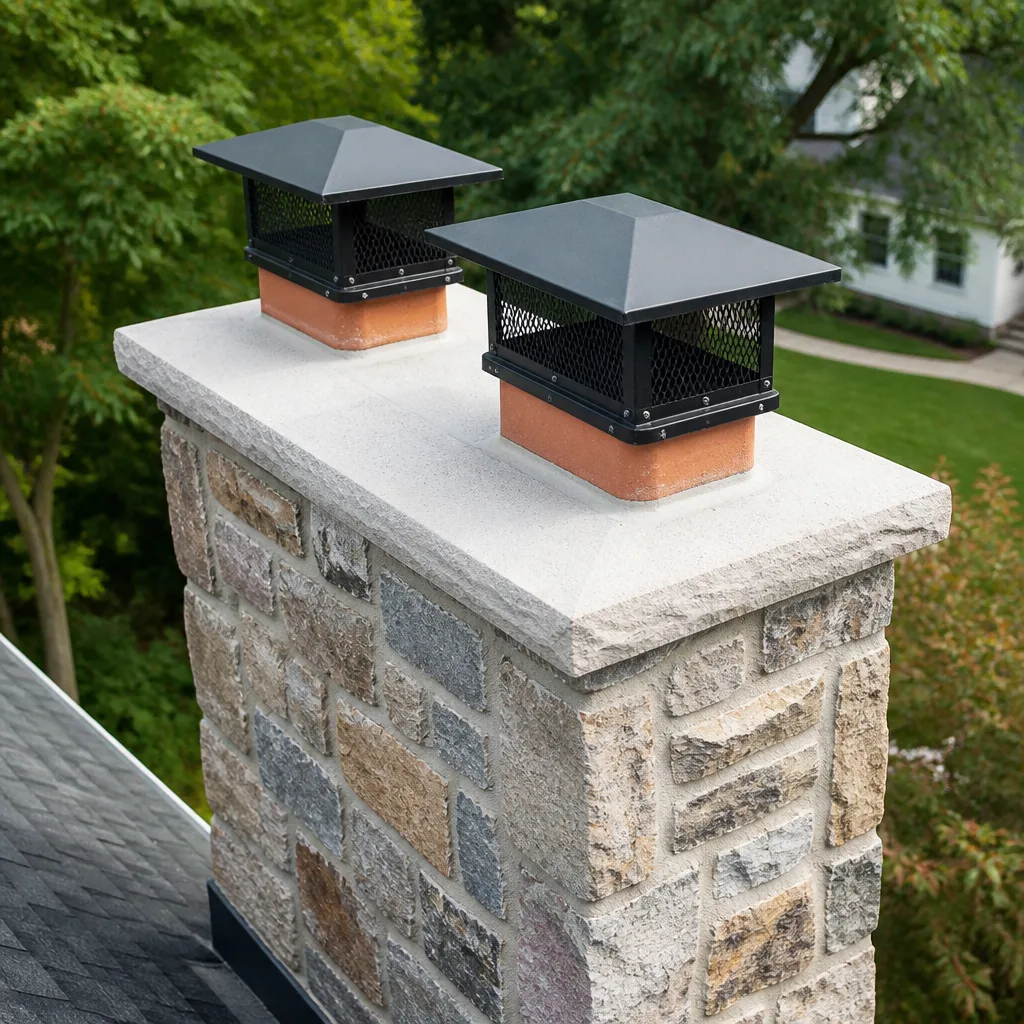
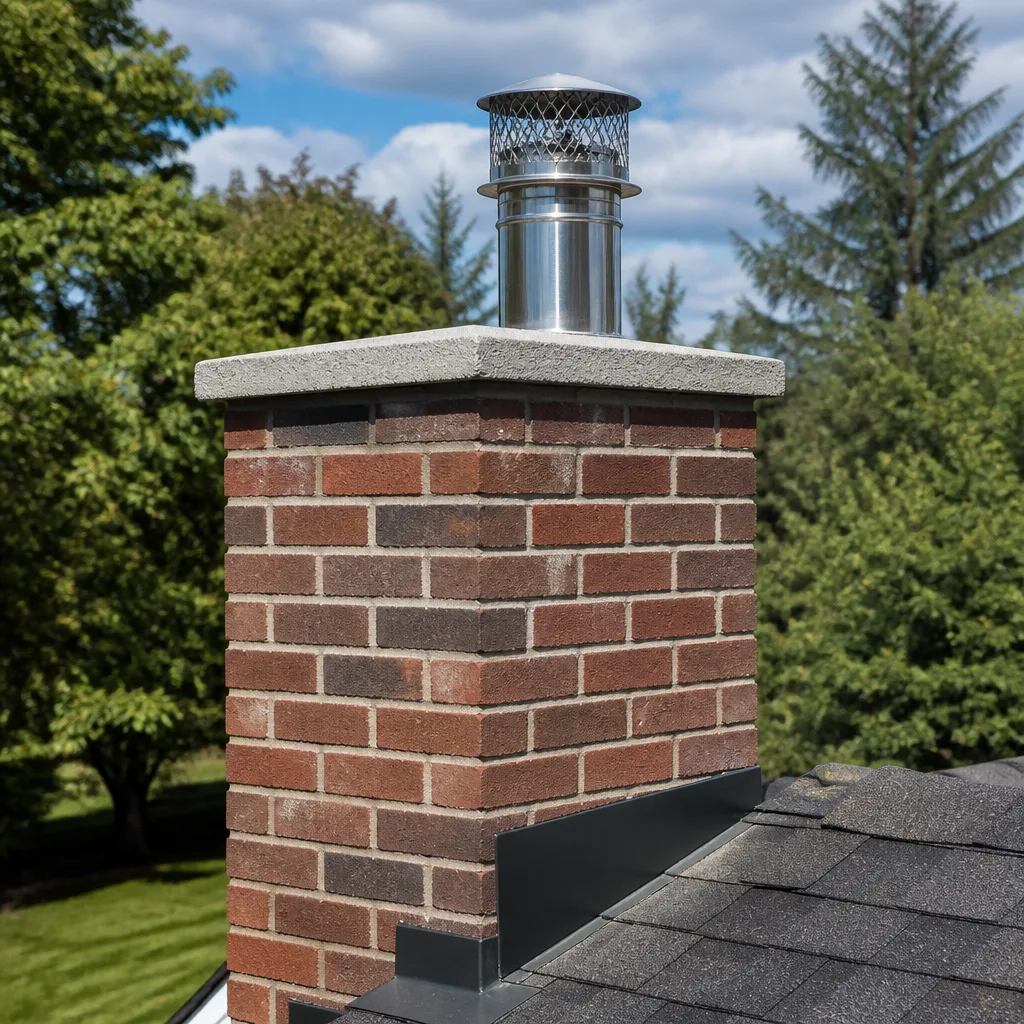
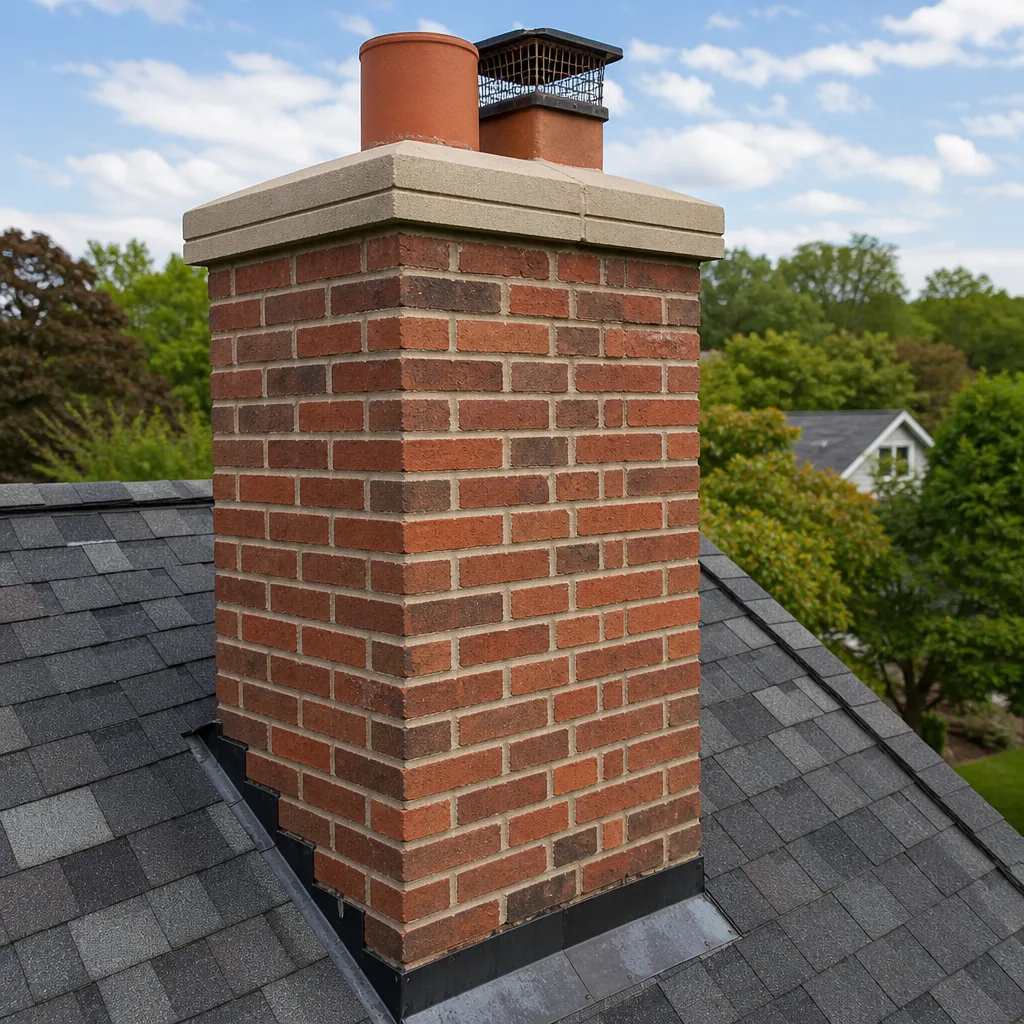
 Before
 After
After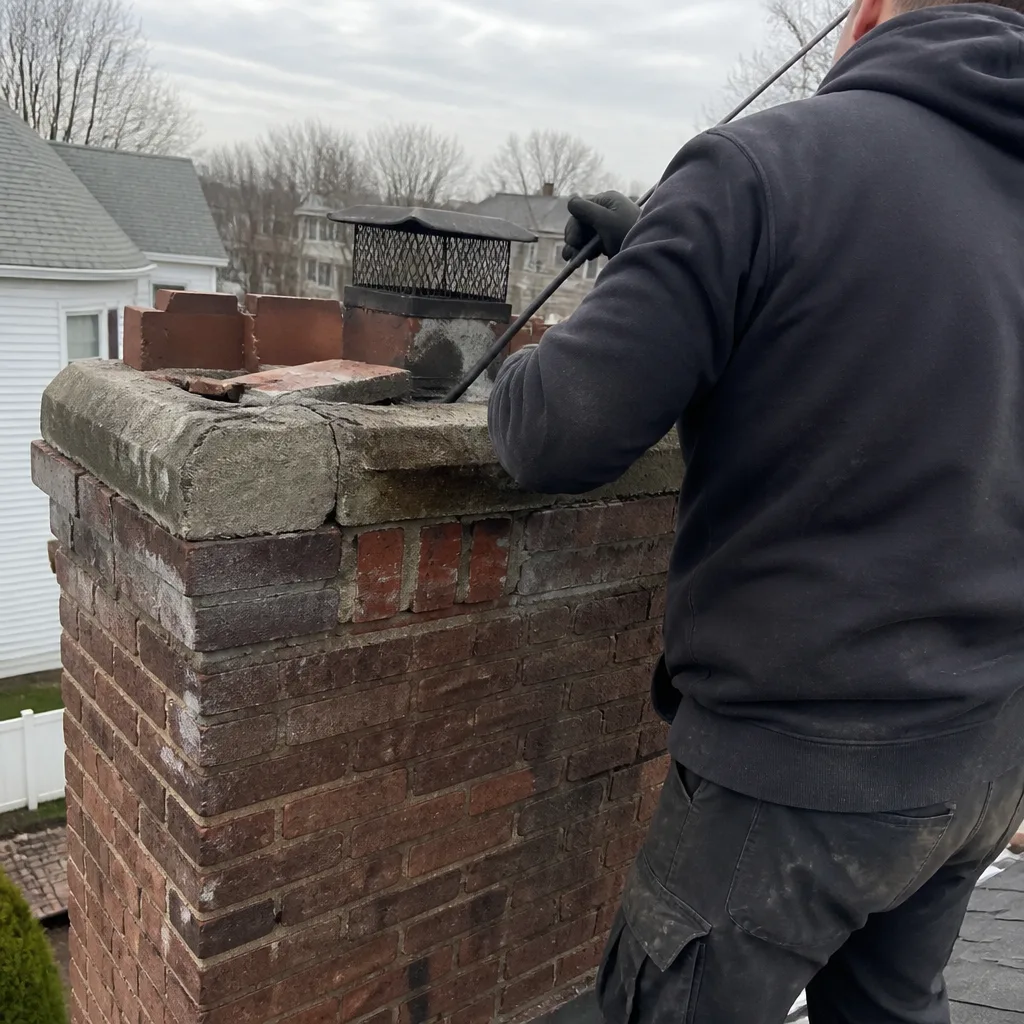 Before
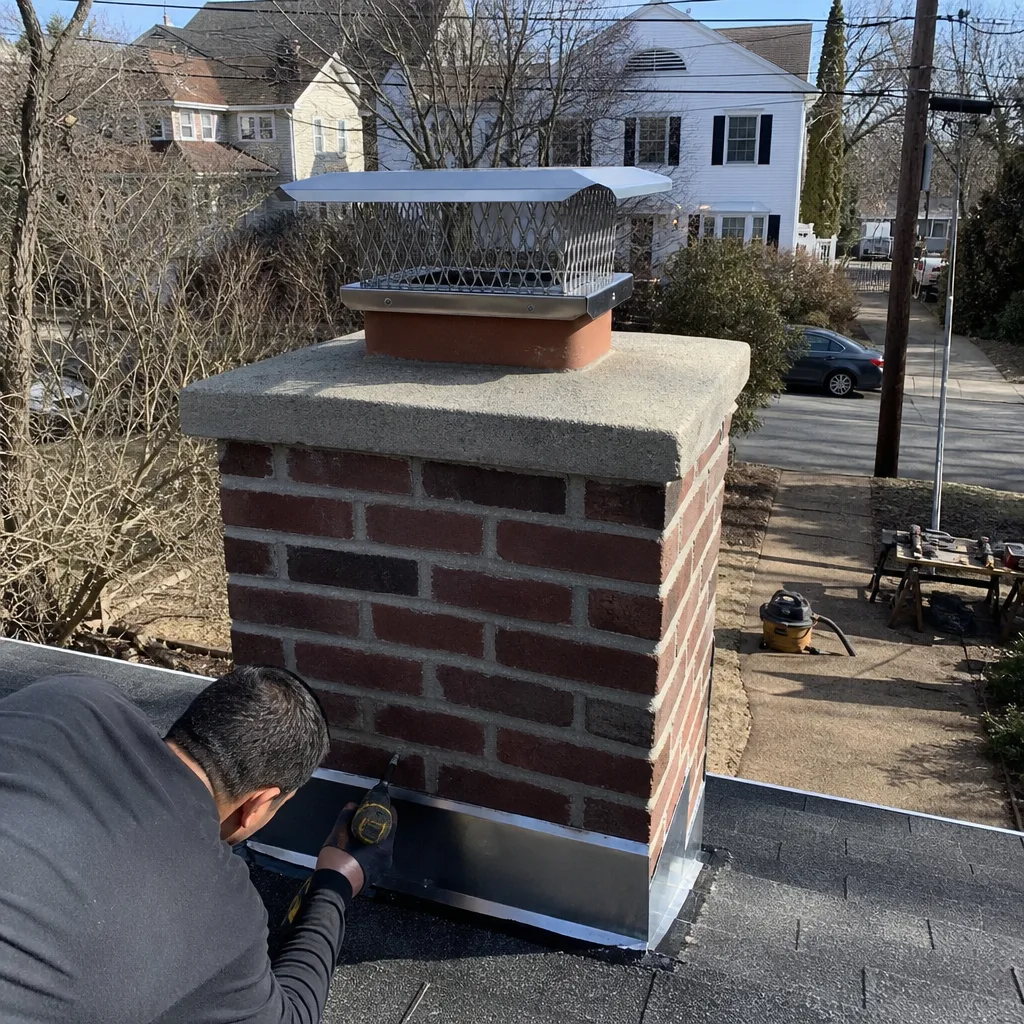 After
After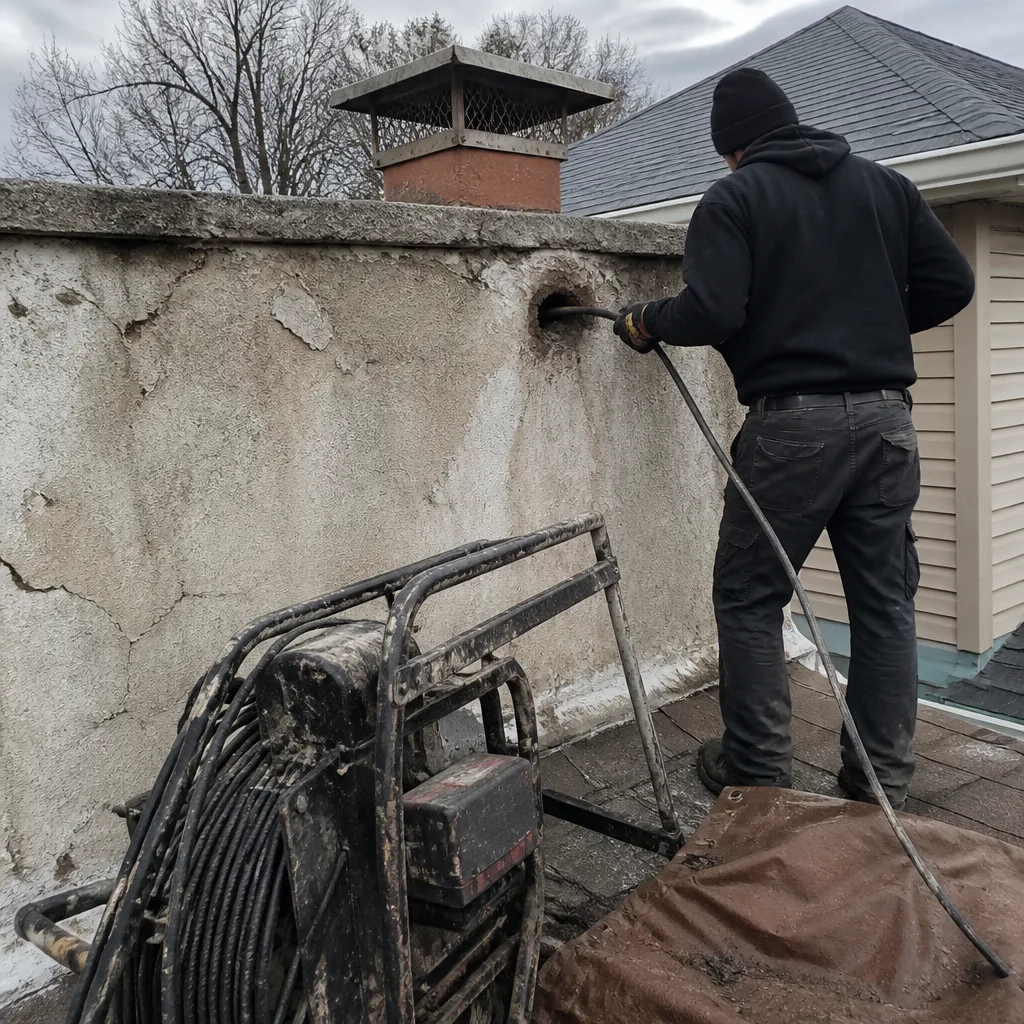 Before
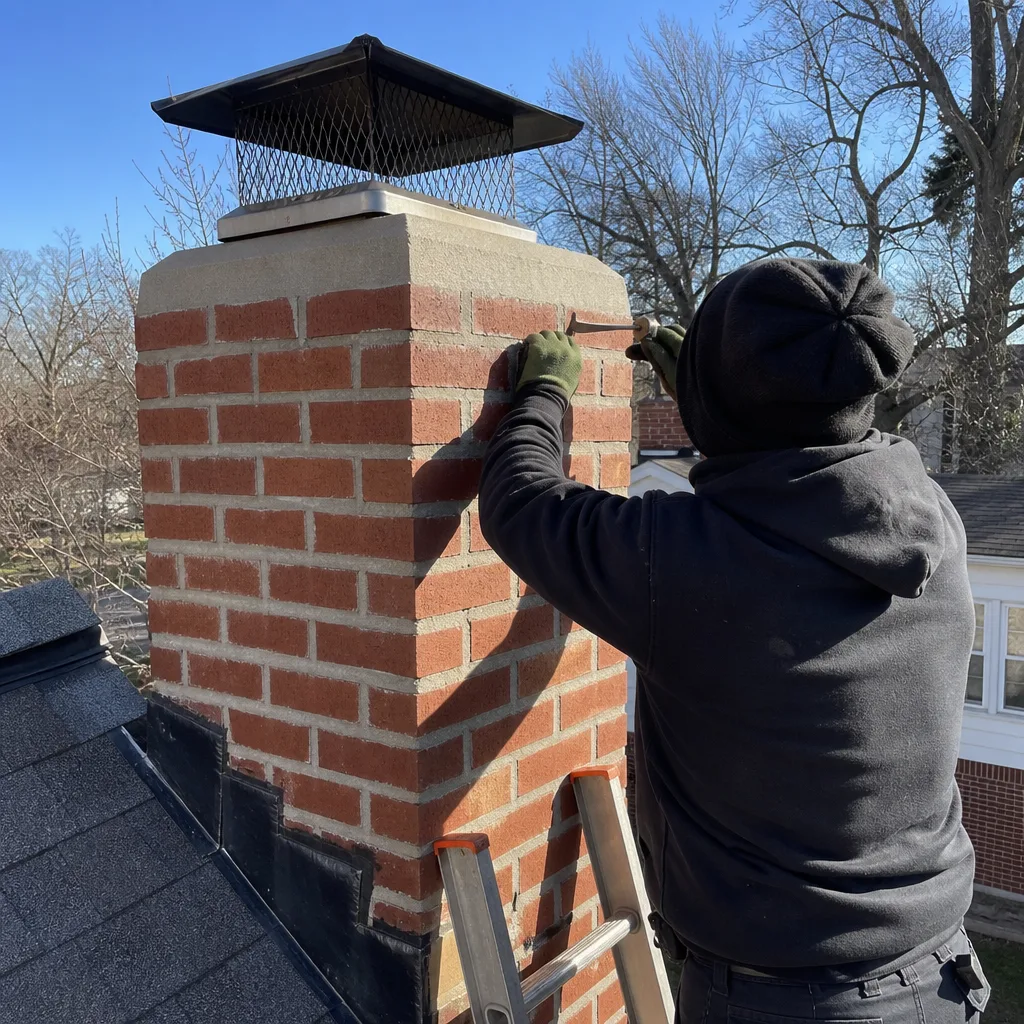 After
AfterWhy Clifton Homeowners Choose HeatShield Chimney Cleaning
We provide Heatshield in Clifton, including independent chimney cleaning, joint repair, and resurfacing service with a written price and scope before any work begins. Our crews have field-trained on HeatShield’s Cerfractory material and maintain stock of the full range of HeatShield applicator guns and trowels, so the repair we quote is the repair we perform, documented with photos before we pack up. That matters in Clifton, where 1920s-1960s masonry chimneys carry decades of fuel-conversion stress that standard cleaning alone won’t address. If you have a HeatShield-lined or HeatShield-repaired chimney that needs service, call (551) 282-9640 and we’ll come out, camera down the flue first.
One thing to be clear about: we are not authorized by HeatShield and we don’t claim to be. We’re an independent HeatShield service provider. We buy genuine HeatShield Cerfractory directly through Haven’s procurement network and install it to the standard the material was designed for. That independence is exactly why we can tell you when a HeatShield repair is the right call, and when it isn’t.
Why Trust Level Two Chimney Clifton for Your HeatShield Chimney Cleaning?
HeatShield’s Cerfractory material is not off-the-shelf masonry mix. It’s a proprietary cementitious compound that bonds to existing flue tile surfaces at a molecular level, restoring a continuous, insulated liner without a demolition job. Getting that bond right requires knowing how the material behaves in a specific chimney, not just reading the manufacturer’s data sheet. Our crews have re-lined dozens of fireplaces and flues in Clifton with HeatShield’s Joint Repair System and Resurfacing System, and we’ve learned what the training manuals don’t teach: how cast-in-place material flows differently in a flue with a 15-degree offset than one that runs straight, and how Clifton’s old multi-wythe brick chimneys behave when you introduce a vacuum pump and material hose into a flue that hasn’t seen a camera in decades.
Corrine Halstead, who owns Level Two Chimney Clifton, grew up in Queens and came up through the building trades program at CUNY Kingsborough Community College before putting in years on job sites across the metro area. She and her crew have been working Clifton for several years now, and they’ll tell you the camera doesn’t guess. Neither do we. That means when we quote a HeatShield repair on a Clifton two-family stack, we’ve already documented the flue condition on video and can show you exactly where the joint is separated and why the material needs to go there, not somewhere else.
Common HeatShield Chimney Cleaning Problems We Fix in Clifton
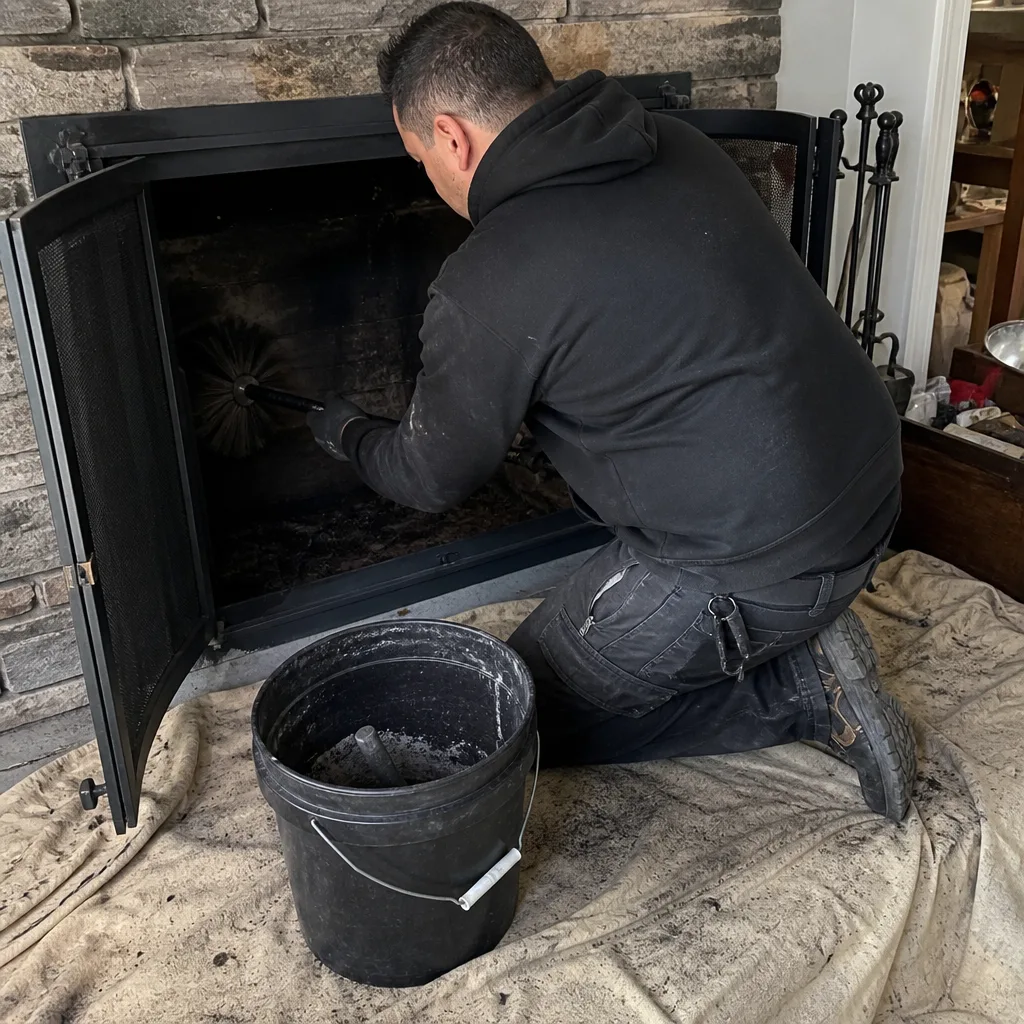
HeatShield products are durable, but the Clifton chimneys they go into rarely are. Here are the patterns we see most often when we scope a HeatShield-lined flue in this city:
- Joint separation in the original terra cotta tile, pre-dating the HeatShield liner. Homes in Botany Village and Athenia built in the 1920s and 1930s were often converted from coal to oil to natural gas. Each conversion lowered flue temperatures and increased condensation, which slowly degraded the clay tile mortar joints. When we apply HeatShield Joint Repair to a flue with this history, we’re usually fixing a problem that started long before the HeatShield went in. The repair holds if the underlying tile is sound; if it isn’t, we’ll tell you before we sell you anything.
- Creosote buildup behind a partial HeatShield resurfacing job. We sometimes find HeatShield applied only to the upper flue while the lower smoke chamber was left untouched. That leaves a gap where creosote condenses and collects, exactly where you don’t want it. In Clifton’s older colonials, this is a recurring issue because the original smoke chambers are often rough-masonry, not smooth tile, and they collect residue fast. We always scope the full flue and smoke chamber together before quoting any HeatShield work.
- Spalled firebrick in the firebox, with a HeatShield liner above it doing fine. HeatShield’s FireGuard product line covers firebox repair, but it can’t compensate for firebrick that’s already crumbled from years of direct flame. We see this in Clifton’s two-family homes where tenants rarely use the fireplace but owners want it ready for a sale inspection. FireGuard panel repair and firebrick replacement works when the firebox walls are otherwise intact; when they’re not, a rebuild is the honest answer.
- Water-damaged smoke chamber surfaces above a HeatShield-lined flue. Clifton sits in the Passaic River valley, and our winters run cold and wet. Freeze-thaw cycles break down old mortar, and water finds its way into the smoke chamber even when the flue liner itself is protected. HeatShield SmokeGuard parging and smoothing can restore that surface, but the water entry point has to be addressed at the crown and flashing first. Otherwise the parge coat fails within a season or two.
- Offsets and bends that make some crews walk away from HeatShield. Not all flues run straight. In Clifton’s older Cape Cods, a flue may offset 15 to 30 degrees to accommodate a floor joist or an old furnace conversion. HeatShield can be applied to an offset flue, but it requires careful material control and a crew that understands how Cerfractory flows around a bend. We’ve done it in this city enough times to know which offsets the material will handle and which ones need a different approach.
BeforeAfterHeatShield Parts & Our Repair-vs-Replace Approach
For structural HeatShield repairs, we use genuine HeatShield Cerfractory products exclusively. The compound is a specific proprietary mix, and no aftermarket equivalent we’ve tested bonds the same way or carries the same thermal properties. This isn’t brand loyalty for its own sake; it’s because the material properties are part of the warranty and part of the safety equation. For non-structural components like dampers, caps, and chase covers, we install high-quality compatible parts from manufacturers we trust, and we’ll show you the part number and price before ordering.
Here’s how we decide repair versus replace. If the underlying brick structure is sound and the flue tile is intact enough to accept a cast-in-place liner, resurfacing with HeatShield is almost always the right call. It’s less expensive than a full tear-out, it avoids damaging the existing masonry, and the result is a continuous, insulated flue surface. If the brick is spalled, the tile is collapsed, or the chimney has shifted, no amount of Cerfractory will fix that. We’ll quote the rebuild and show you the photos that justify it. Call (551) 282-9640 and we’ll scope it before we quote it.
Our HeatShield Service Process - Step by Step
- 1
Camera diagnosis. We run a Level 2 inspection camera down the full flue and through the smoke chamber. You see the footage in real time. If there’s a joint separation or a failed patch, we point it out and show you.
- 2
Written scope and price. Before anyone touches a brush, you get a written price, a written scope of work, and a written warranty. No verbal estimates. No surprises on the invoice.
- 3
Prep and application. We clean the flue with our rotary system until the tile surface will accept the Cerfractory bond. Then we apply HeatShield material with the cast-in-place method, using the right applicator gun and trowel set for the job.
- 4
Post-work camera pass. After the material cures, we send the camera back down. We want to see the seamless lined surface and verify no voids or gaps.
- 5
Documented record. You get photos of the before and after, a written description of what was done, and the warranty in writing. That’s been our standard since 2009, and it’s Clause 4 of the Haven Standard.
HeatShield Products We Service & Install in Clifton
We work with the full HeatShield product family for both wood-burning and gas fireplaces:
- HeatShield Joint Repair System – Cerfractory mortar for cracked or separated flue tile joints, applied via cast-in-place method.
- HeatShield Resurfacing System – Full smoke chamber and flue lining for chimneys with significant deterioration but sound structural brick.
- HeatShield FireGuard – Firebox panel repair and firebrick replacement for fireboxes with direct-flame damage.
- HeatShield SmokeGuard – Smoke chamber parging and smoothing to restore drafting and eliminate creosote traps.
We keep applicator guns, trowels, and core Cerfractory material in the van for most Clifton jobs, which means we can often diagnose and repair in one visit to a two-family stack, not two-unlike some Heatshield repair in Garfield providers who may need return trips.
We Also Service These Brands
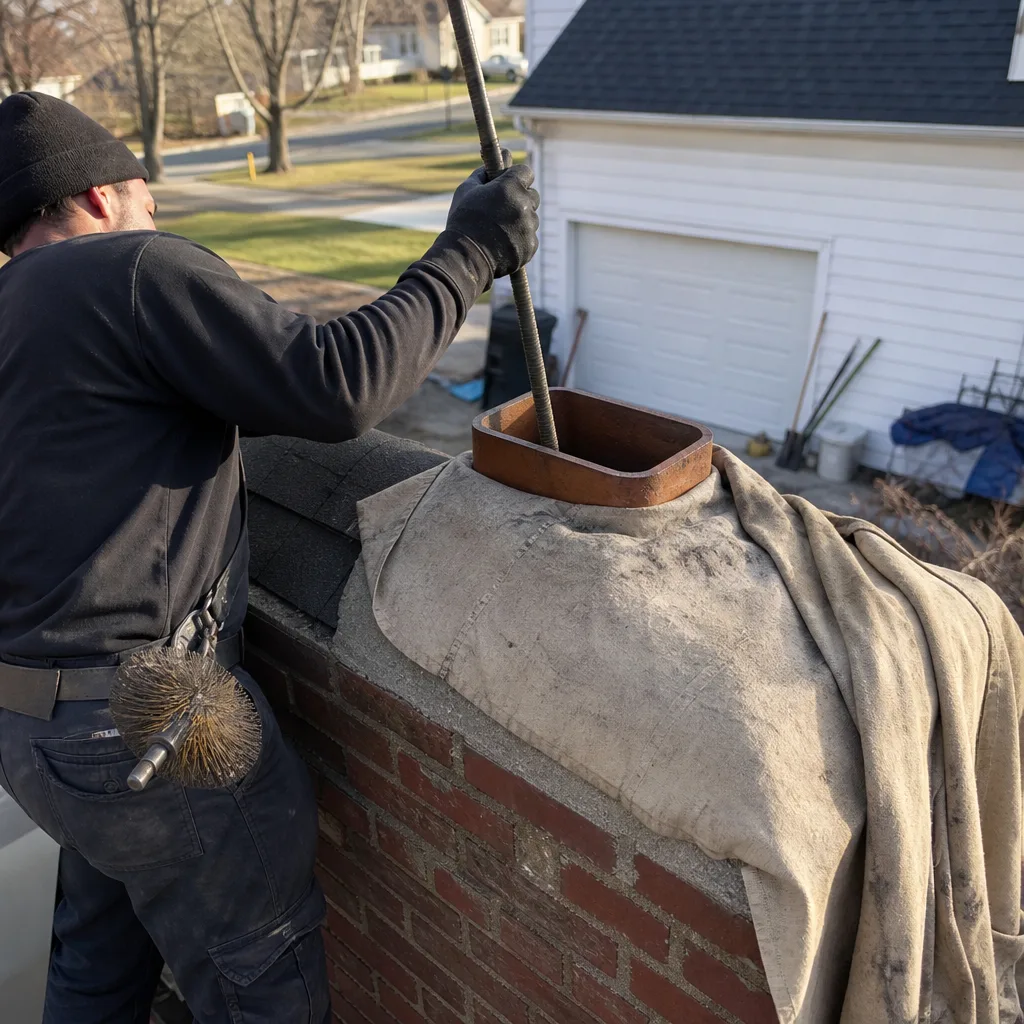
HeatShield is one tool in the kit, not the only one. We install and service stainless steel liner systems from DuraFlex and Gelco when the chimney profile or budget calls for it. Our job is to tell you what your chimney actually needs, not to sell you the one product we happen to carry.
FAQs - HeatShield Chimney Cleaning Service in Clifton
No, we are not authorized by HeatShield. We are an independent HeatShield service provider that buys genuine HeatShield materials and installs them to the manufacturer’s specifications, with our own documentation and our own 365-Day Done Right Promise attached to every job.
Yes. For structural HeatShield repairs, we use genuine HeatShield Cerfractory products exclusively. We don’t substitute aftermarket mortar for the proprietary compound, because the mix is what carries the thermal and bonding properties the system is engineered for. For non-structural parts like dampers and caps, we use high-quality compatible components and show you the part spec before ordering.
A typical HeatShield Joint Repair or Resurfacing job in Clifton takes one day for diagnosis, prep, application, and the post-work camera pass. Larger jobs on two-family stacks with two flues may run into a second day. We schedule both units on the same appointment when we can, and we’ll give you a written timeline before we start.
We service and install the full product family: HeatShield Joint Repair System, Resurfacing System, FireGuard, and SmokeGuard. We also troubleshoot existing HeatShield liners that were installed by other companies, including when an incomplete earlier application left gaps in the smoke chamber or lower flue.
No. We install genuine HeatShield materials to the manufacturer’s specifications, which preserves any applicable material warranty. We document the work with photos and provide our own written warranty as part of the Haven Standard. If you have a written warranty from a previous HeatShield job, bring it up when you call.
In Clifton, a HeatShield-equipped chimney cleaning typically runs $199 to $349 depending on flue condition and whether we’re also handling a Level 2 inspection. A HeatShield Joint Repair or Resurfacing job is quoted separately based on the footage of flue we’re lining and the condition of the underlying tile; that work generally starts around $1,200 and goes up from there for two-family stacks or offset flues. Call (551) 282-9640 for a written quote after we scope it. Estimates are free, and the price we give you is the price you pay.
A properly installed HeatShield Joint Repair System can last 20 years or more in a flue with sound underlying tile. A stainless steel liner from DuraFlex or Gelco will often outlast that in a wood-burning chimney with heavy use, but it costs more and may require more invasive installation. The honest answer depends on what we find on the camera.
Yes, with limitations. HeatShield’s cast-in-place method can handle flue offsets up to around 30 degrees, depending on the offset location and the flue diameter. Beyond that, the material doesn’t flow evenly and the liner will have weak spots. We’ll scope the offset and tell you plainly whether HeatShield will work or whether a different liner system is the better call.
Yes. HeatShield is designed for both wood-burning and gas flue applications. The primary difference is that wood-burning flues need more attention to creosote removal before the material is applied, and gas flues need assurance that the flue is sized correctly for the appliance’s lower exhaust temperature and higher moisture output, which is a recurring problem in Clifton’s older fuel-converted chimneys.
Joint Repair targets the mortar joints between terra cotta flue tiles, filling gaps and cracks where heat and gas can escape. Resurfacing is a full-coverage application that lines the entire flue interior and smoke chamber surface, creating a continuous new liner. Joint Repair is right for flues with sound tile and separated joints; Resurfacing is right for flues with widespread surface deterioration.
HeatShield is a permanent structural repair, not a coating that needs reapplication. It still requires annual cleaning and inspection like any chimney, especially in Clifton where freeze-thaw cycles work on the exterior masonry every winter. We recommend a Level 2 inspection every other year on HeatShield-lined flues we’ve installed, just to confirm the exterior structure hasn’t shifted.
Book Your HeatShield Service in Clifton, NJ
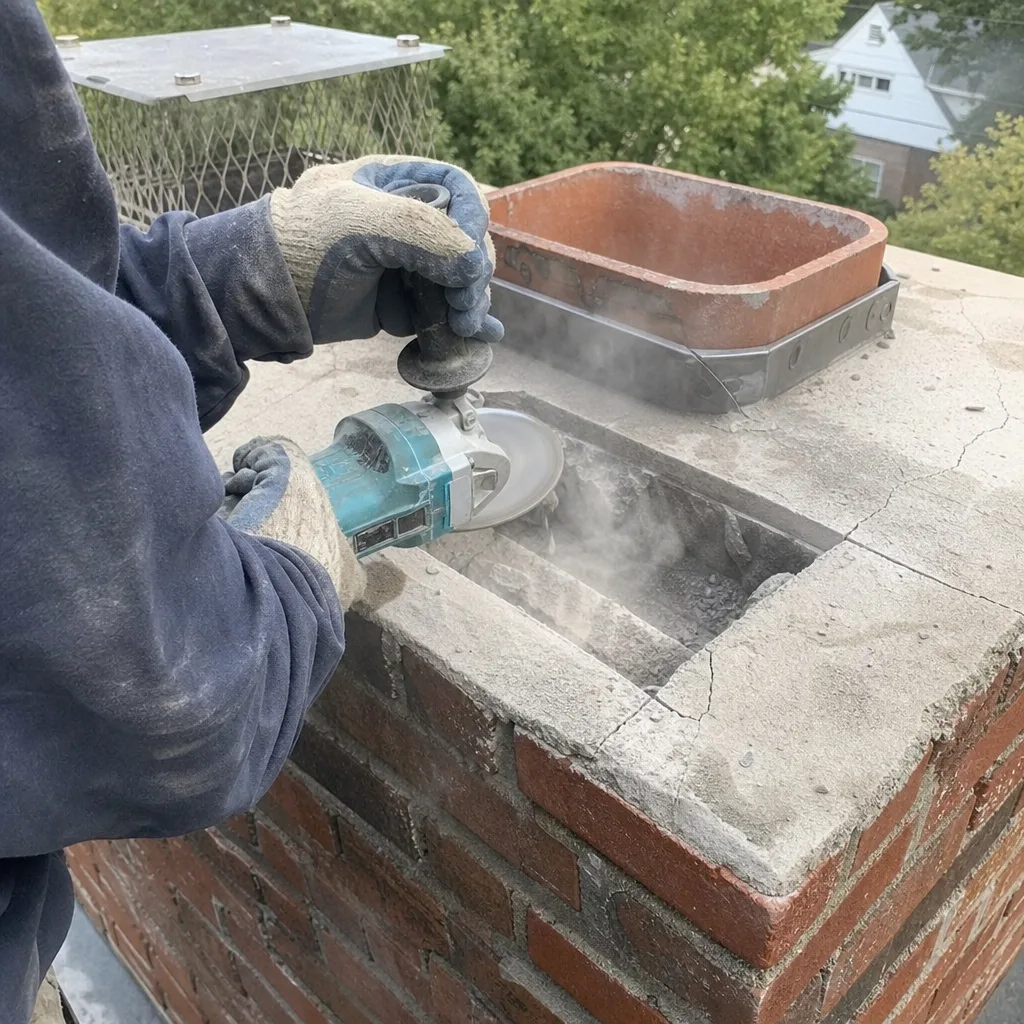
If you have a HeatShield chimney in Clifton that needs service, or you’re considering Heatshield service in Passaic and nearby areas including Clifton, call (551) 282-9640. We’ll send a crew, put a camera down the flue, and hand you a written price before any work starts. That’s how we’ve done it since 2009.
Written by the team at Level Two Chimney Clifton, serving Clifton, NJ since 2009.